They decided to extend the festival by a week. So, there were 3 weekends instead of 2. We made plans to go with my younger sister and her husband, reserving the same house we stayed in last year and decided to go the weekend in the middle. Yay!!
We thought that meant they could come after work on Friday, have 2 solid days of art and take one day off to get home on Monday.
But, no. Nothing is open on Sunday or Monday. So, what’s the point of that? And our rental was occupied until Friday morning.
So, we gave back Sunday night (our hosts were understanding.) and crammed as much as we could into Friday evening and Saturday.
We’re home, now, and my hips are still annoyed. We did have a fun time, though. We saw a lot.
Yesterday, there was a guy with a laptop in one of the stores that was participating in the festival. He was showing a video to the store owner and the few other people who were there. CBS Saturday Morning had run this: https://youtu.be/XBtkgV51ksA
We mostly think that’s great. But, we also think it’s likely to make everything more crowded which is not to our personal advantage.
I’m not going to post a bunch of pictures this year because you can scroll through and have a look as it suits you here: https://www.artfieldssc.org/galleries/?festival_year=2026 And if you have a look at the top of that page, you can click through to all the previous years.
Yesterday, I went to Raleigh with my Master Gardener class. We went to the soil lab, the insect collection and the disease lab. I learned many useful things.
Seeing the process of the soil lab was fascinating. It takes 2 days to dry down the boxes in big, walk-in ovens that hold over 3,000 samples at the time. When they’re dry, a specific amount is put in a falcon tube and a standard amount of water is added to it. (I didn’t take notes and don’t remember the exact amounts. 500g and qs DH2O to 50 mL maybe?)
There are instruments to check the pH and instruments that measure the various nutrients. They don’t bother measuring nitrogen. It is too ubiquitous in the environment and too easily changed. What you measure this Fall may not be remotely the same next Spring.
Because of the number of steps necessary to complete the analysis, it takes about 2 weeks to get final results. It may be sooner in less busy times. But, don’t depend on that. Give them 2 weeks before you get antsy. Results come via email.
If you order a soil analysis between the end of November and the end of March, it costs $5/box (that’s a $1 increase from last year). From April 1 until around Thanksgiving, it’s free. The exact cutoff has to do with when farmers start clogging up the works in order to get ready for next Spring.
The insect collection is …. vast. They are given samples by collectors AND every one of that crowd brings things home from vacation. They have samples that were collected in the 1800s.
There are 3 ways that insect specimens are stored. Most are pinned. You know, like the Victorians did it. But, tiny ones are stored on microscope slides and soft ones, like larvae, are stored in little bottles of alcohol. Those have to be topped up periodically.
If you have a plant that is unwell, they have someone who can find the cause for you.
Sending pictures is free. Take lots. Take a broad view so that they can see where it is and what’s around it. Take pictures of the whole plant. Take pictures of the base, even if you don’t think that’s the problem. Take pictures of the back and front of the leaves. Take pictures of the problem area from all angles. If it’s on a branch or twig, scrape off a little of the bark so they can see where it is healthy and where it is dead (that’s the transition area. HA! Look at me learning a term.). Or if it’s not at all.
IF they can’t tell you what’s wrong from all those photos, it will cost you $20 for them to examine the sample you bring or send in. (It may be easier to dieliver it yourself than to ship, depending on where in the state you are.) Bring a piece of the damaged part of the plant and the roots. Dig them, don’t pull them. If you pull, you rip off the rootlets that may have important info. Include the soil around those.
There is always someone available to answer the door and take your specimen from 8-5 during the week. Ring the bell and wait a minute.
It should take about a week to get a report.
When you are filling out the info, give every piece of data that you can think of and there’s even a place for you to tell them what they haven’t asked. Don’t feeling like you’re being excessive. The more details they have, the easier it is for them to figure out your problem.
I was tired of standing at the end and wish I’d had more time. Everyone was excited to tell us about their specialty and I would have been happy to listen longer.
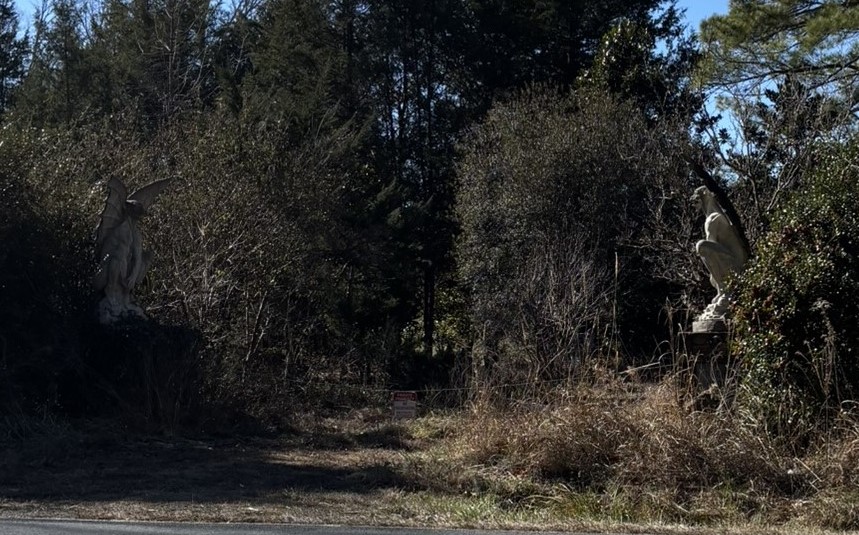
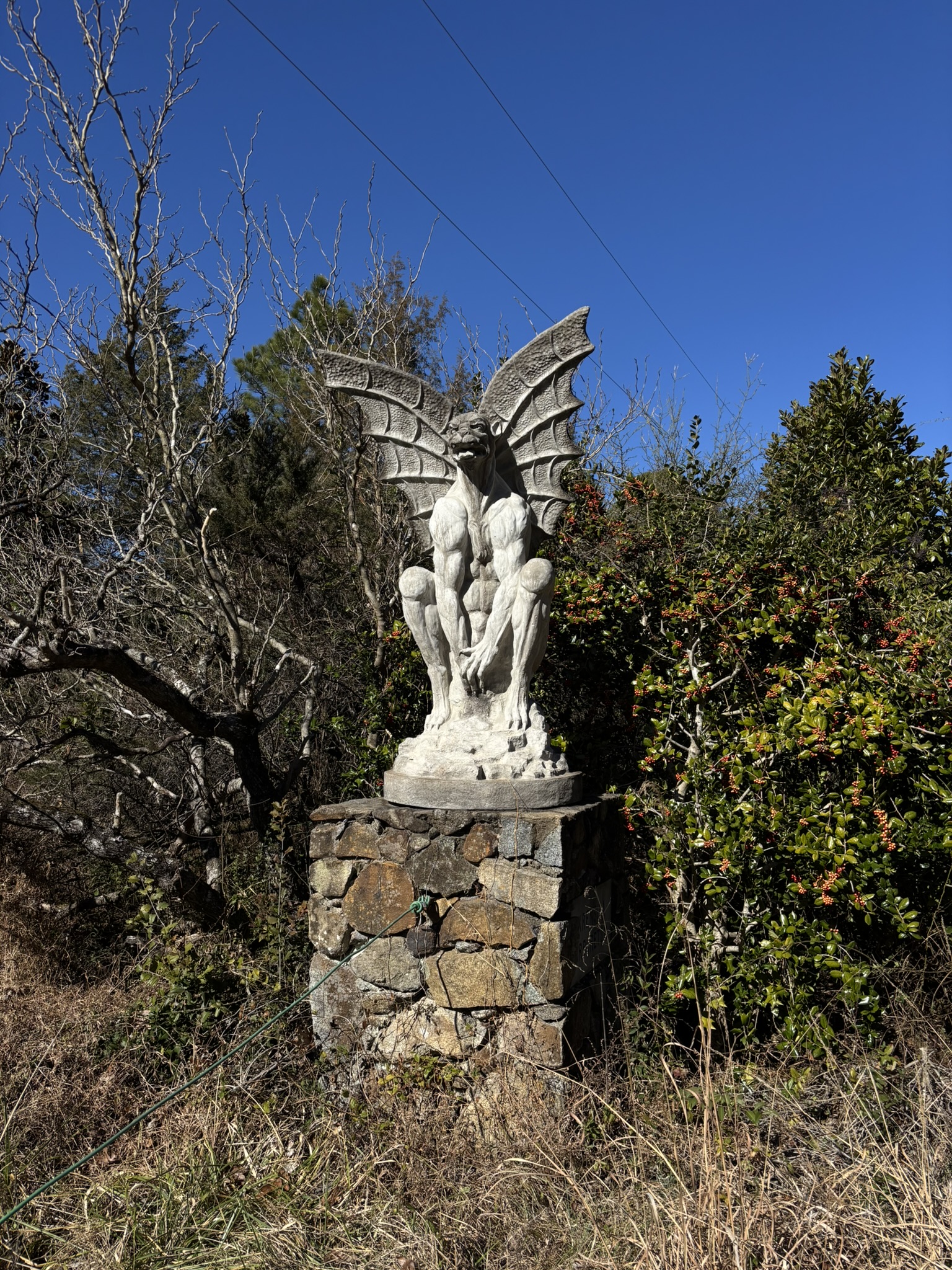
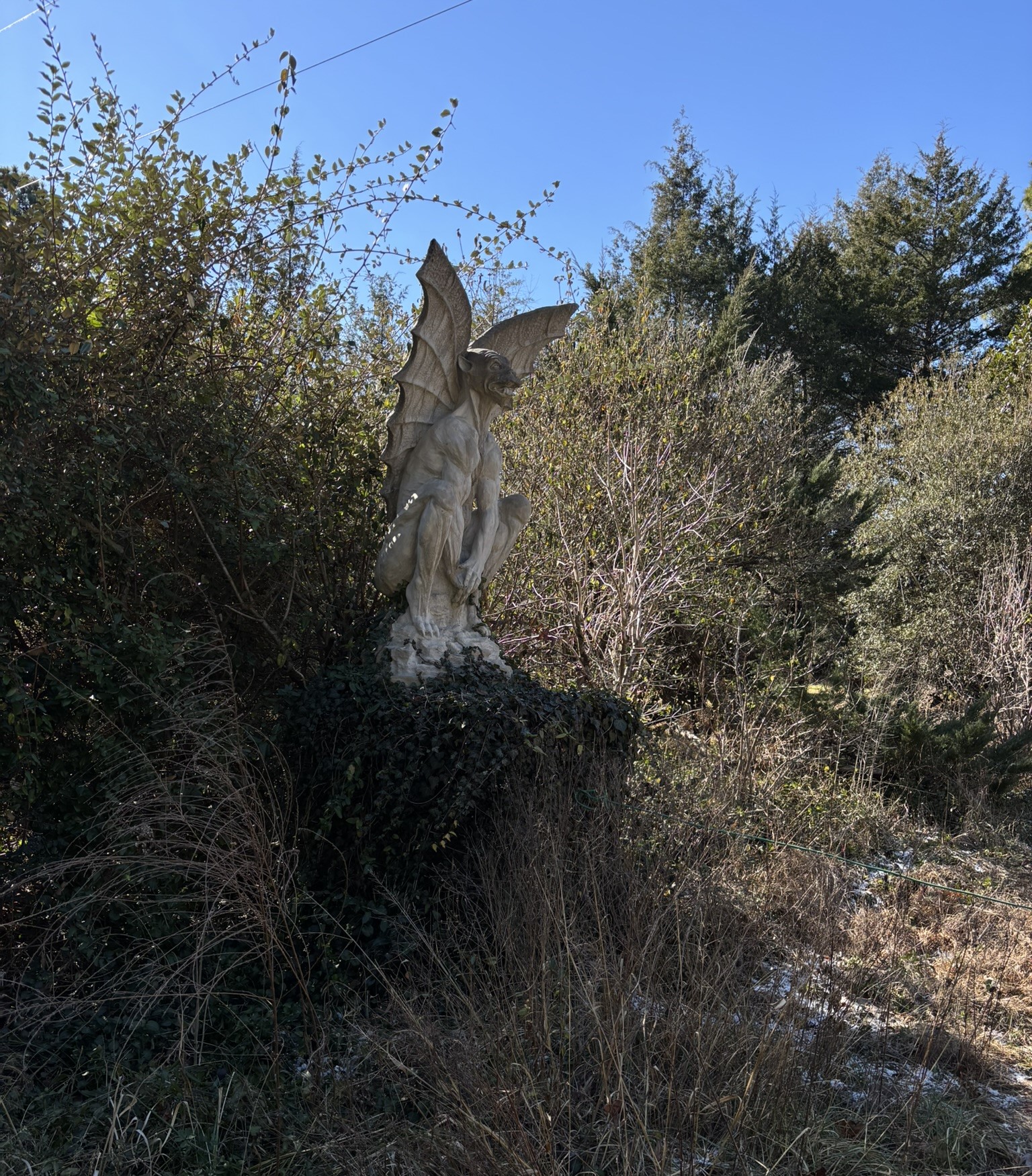
Several years ago, I was driving toward Pittsboro, taking a country road rather than a highway. As I was going about 45 mph (because White Cross Road at the county line is fairly twisty), I saw a tall grotesque looking over the bushes. As I drew even with it, I spotted its partner. They appeared to guarding the entrance to a drive, which had a chain across it.
“Tom Krenitsky’s garden is actually located in Chatham County, but the address is Whitecross Road, Chapel Hill, NC. The name “Krensica Arboretum” is engraved in granite at the entrance. The 83-acre (34-ha) landscaped garden on rolling hills showcases natural stone outcrops, vistas, a creek, two ponds, statuary, a walled garden and plenty of magnolias. Since Tom is a keen amateur magnolia breeder, you will see the results of his efforts, including many hybrids with Magnolia tamaulipana.”
You can see magnolia trees behind the brush growing along the road, if you know to look for them.
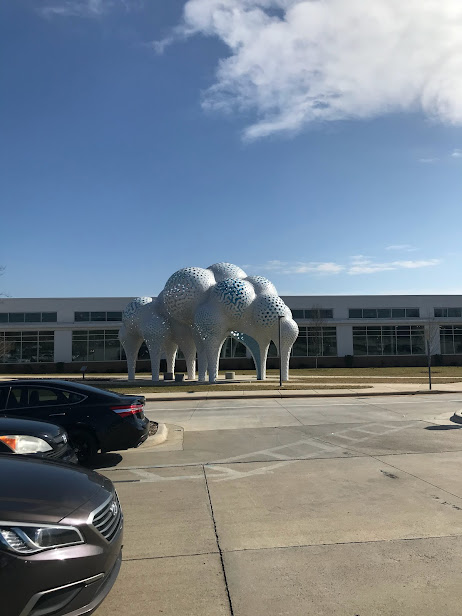
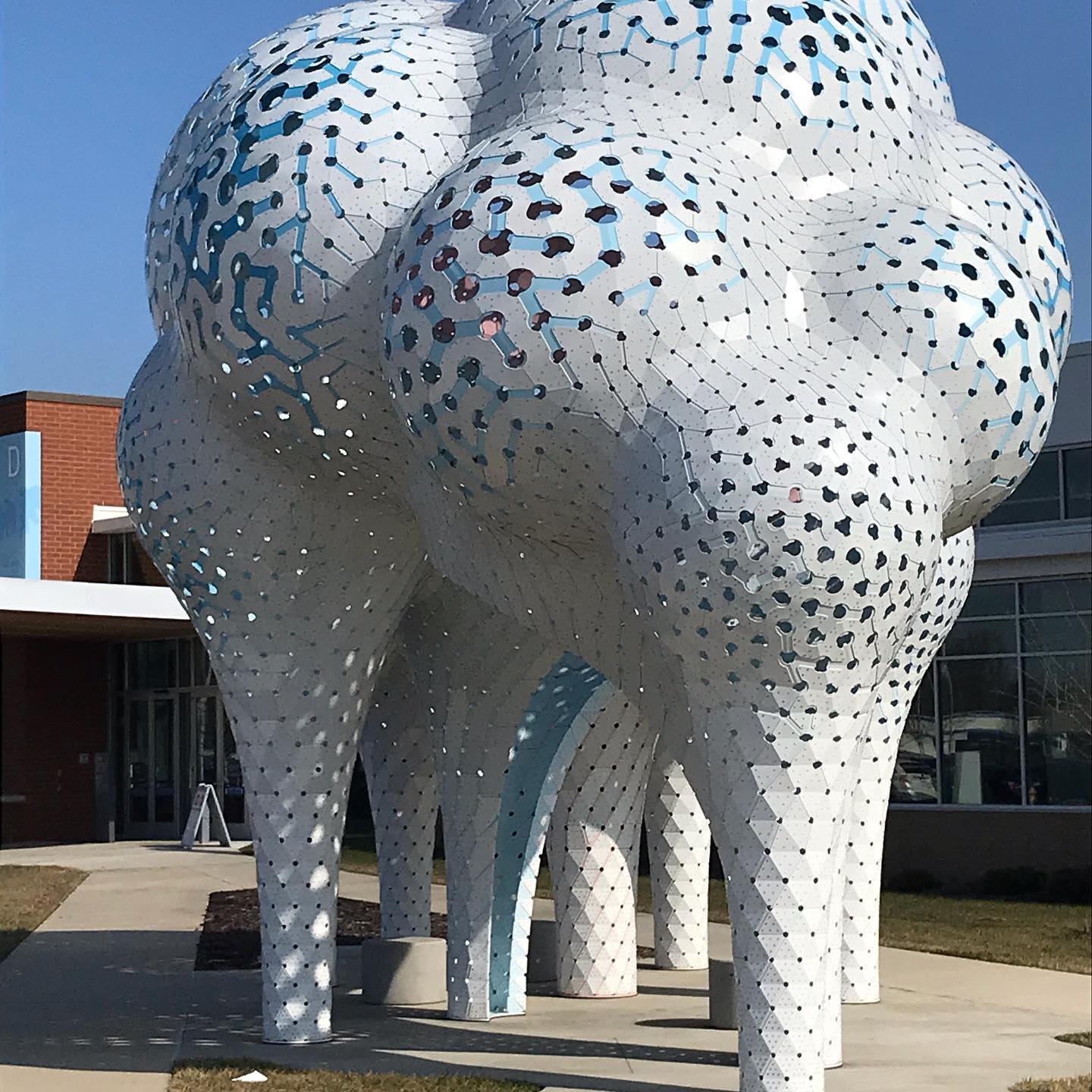
Sometime in 2019 or ’20, I saw a picture of a piece of public art in Charlotte that intrigued me. I mentioned it to a friend and she said “Oh yeah. It’s outside the community services building.” Which was kind of vague. But, I found it.
I almost missed it as I drove by because it’s across a fairly large parking lot and very similar in color to the building itself.
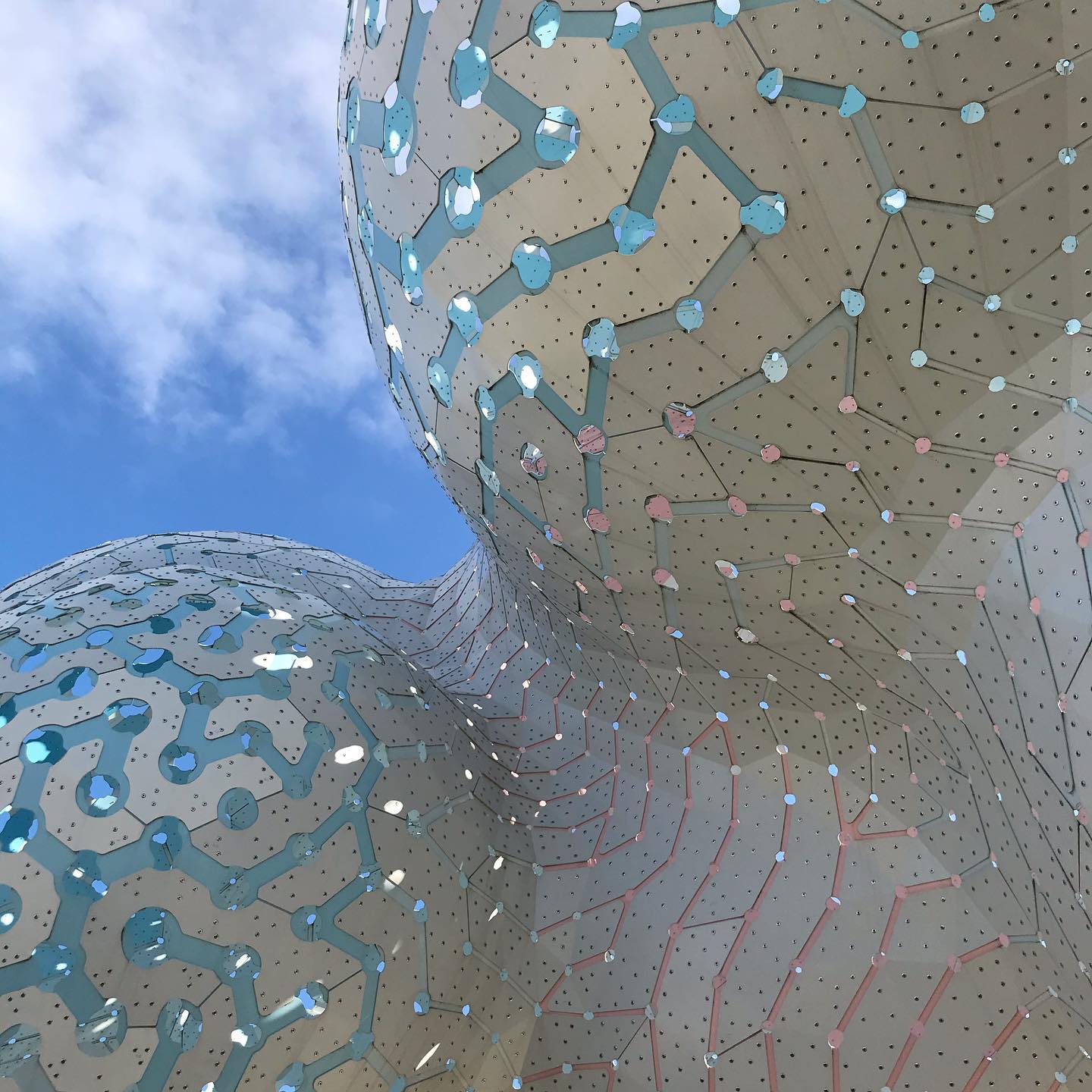
It is wonderful in every sense of the word.
The day I was there was balmy with a light breeze and I had the space to myself. The piece isn’t part of a larger exhibition or noted any particular way. It’s just there, being lovely.
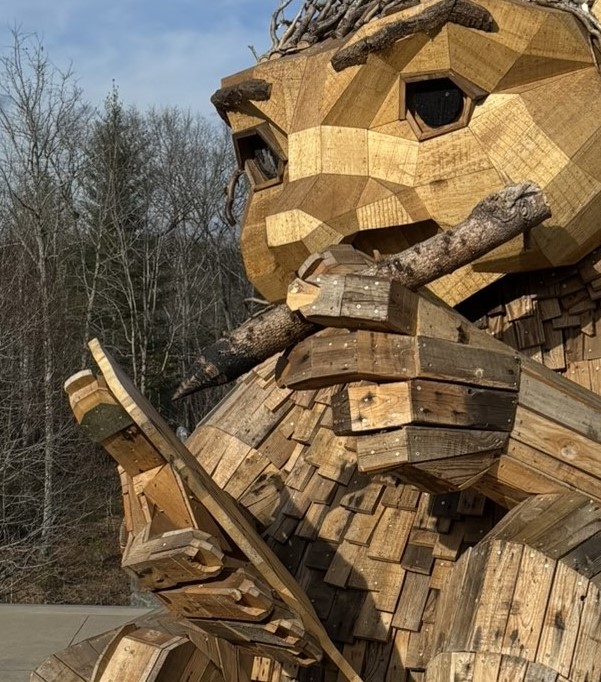
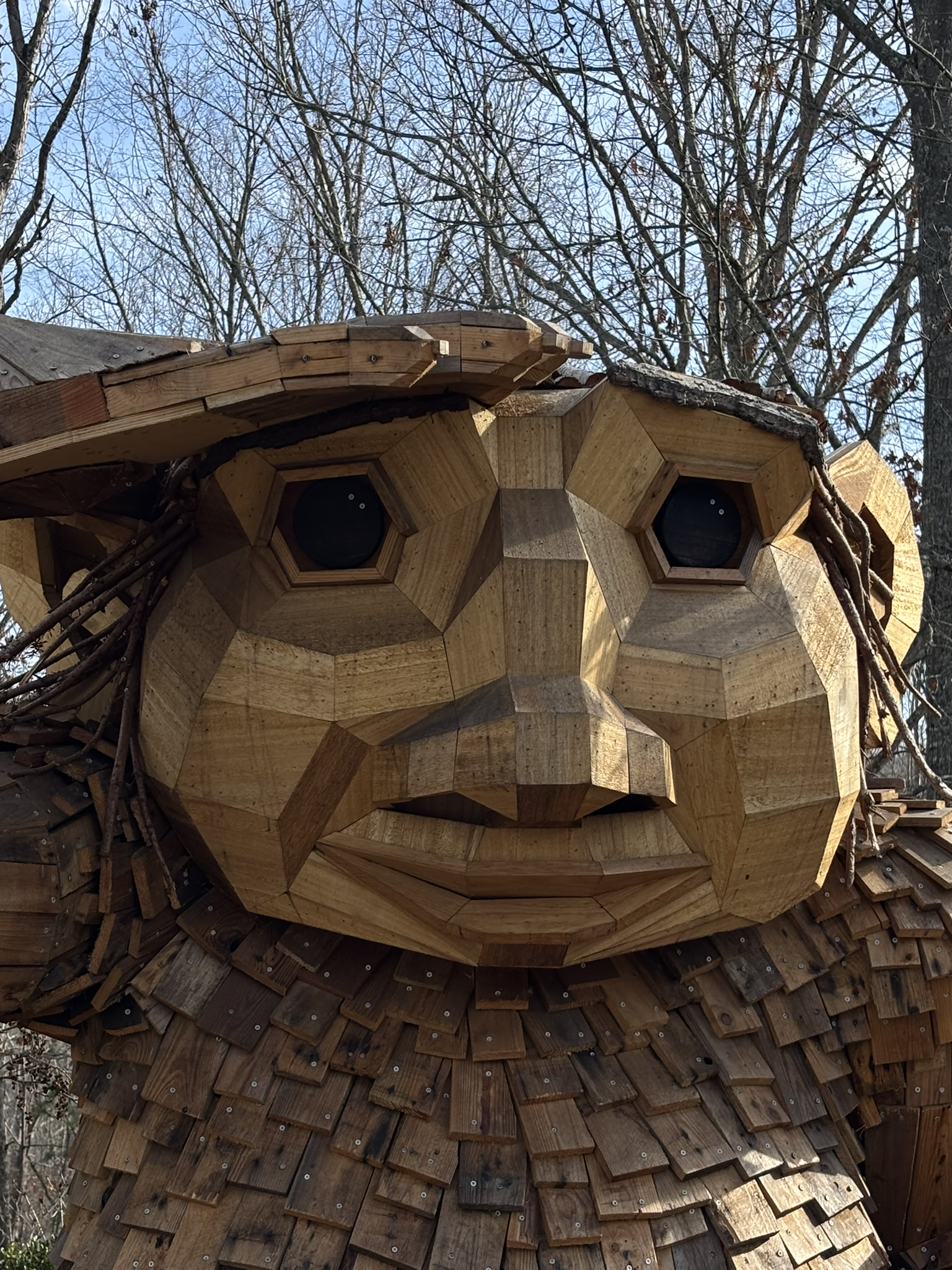
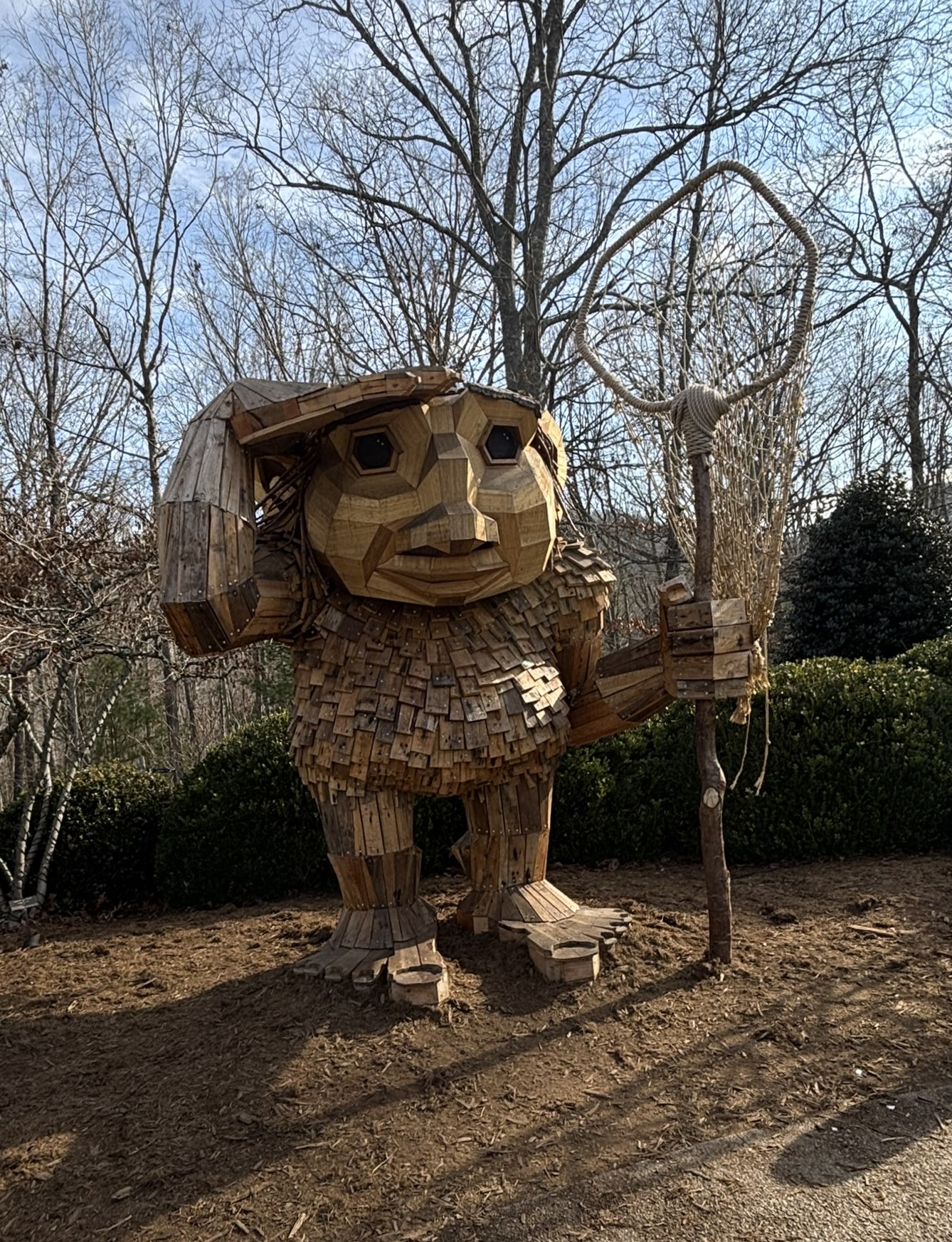
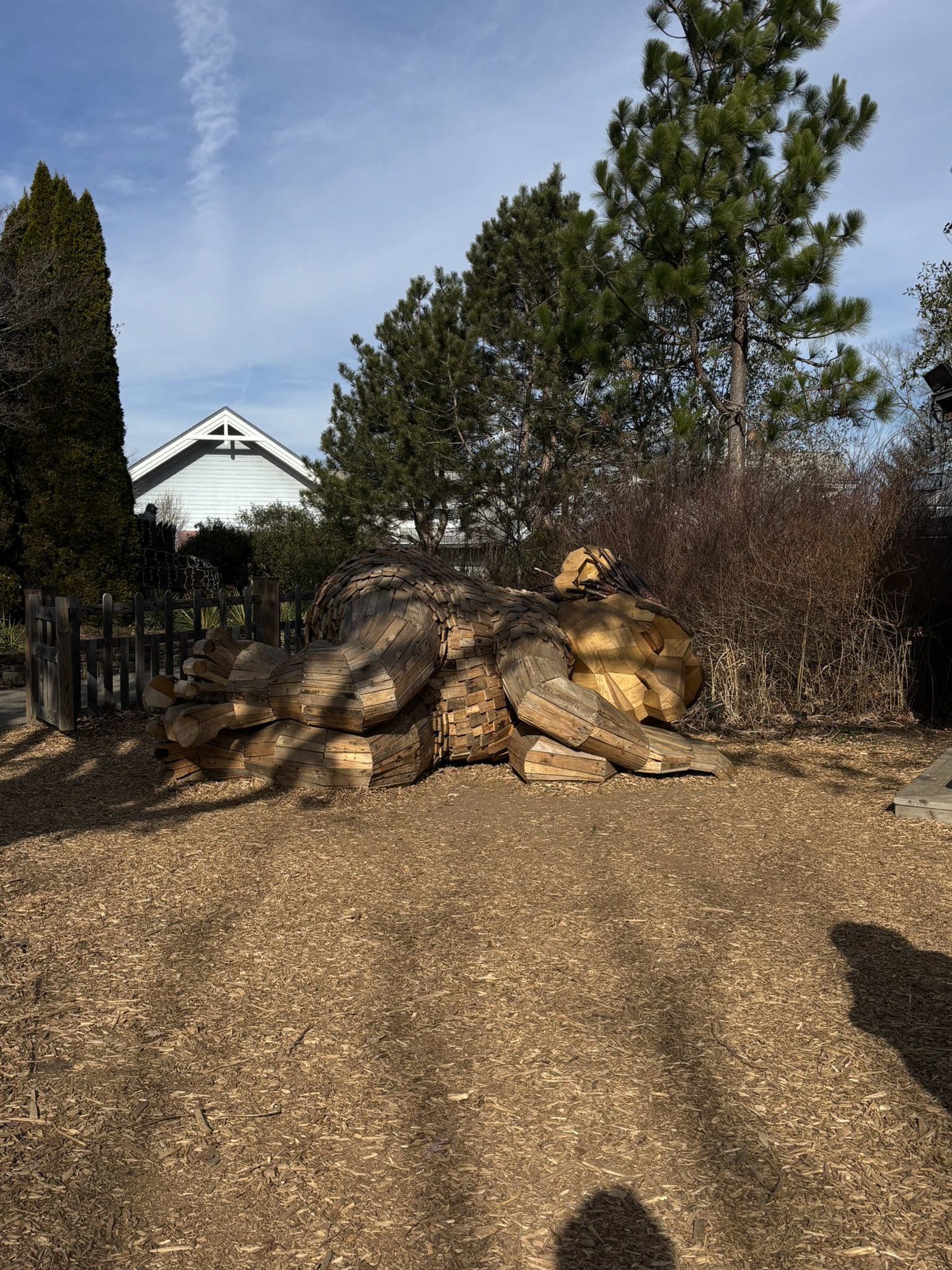
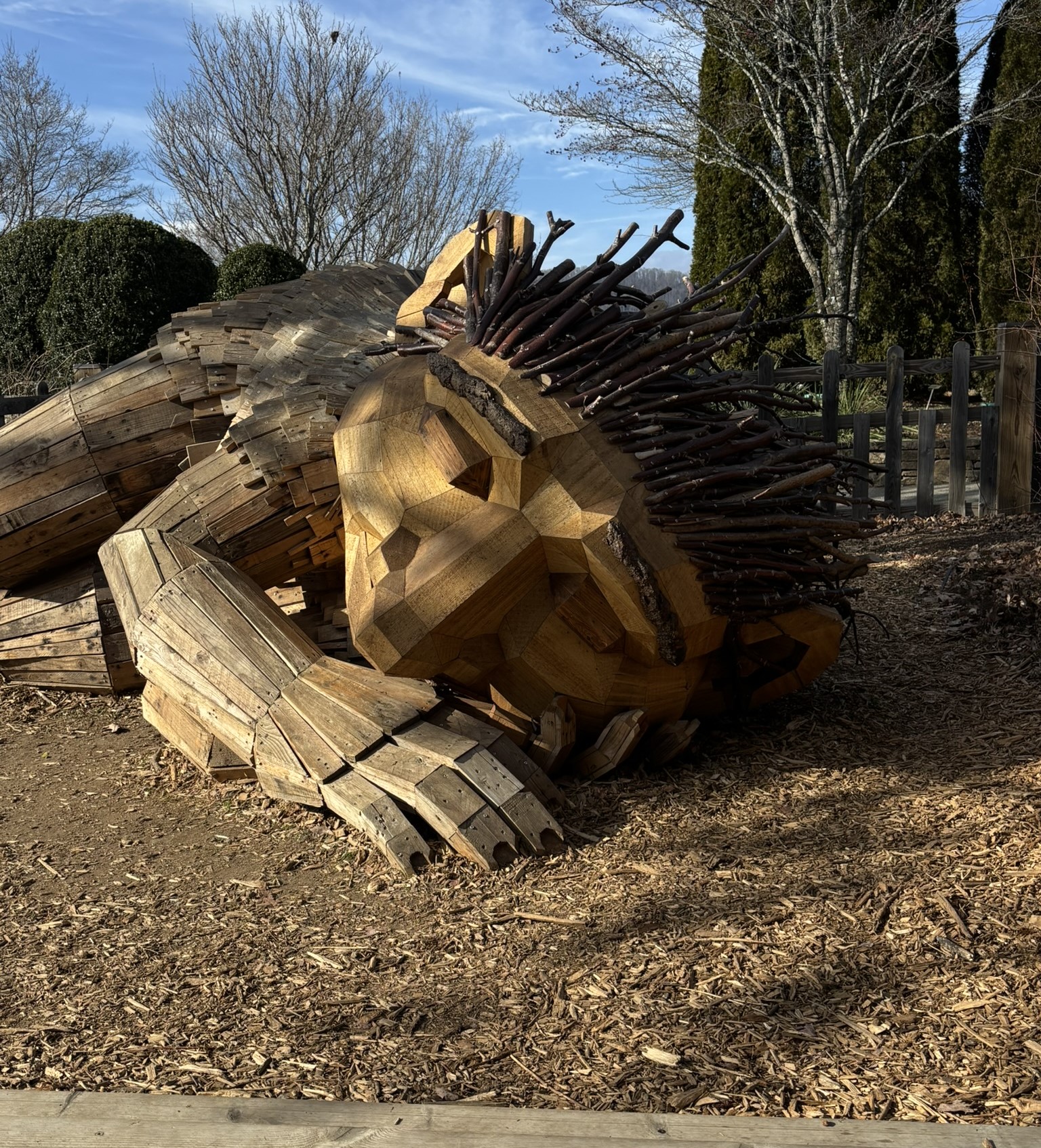
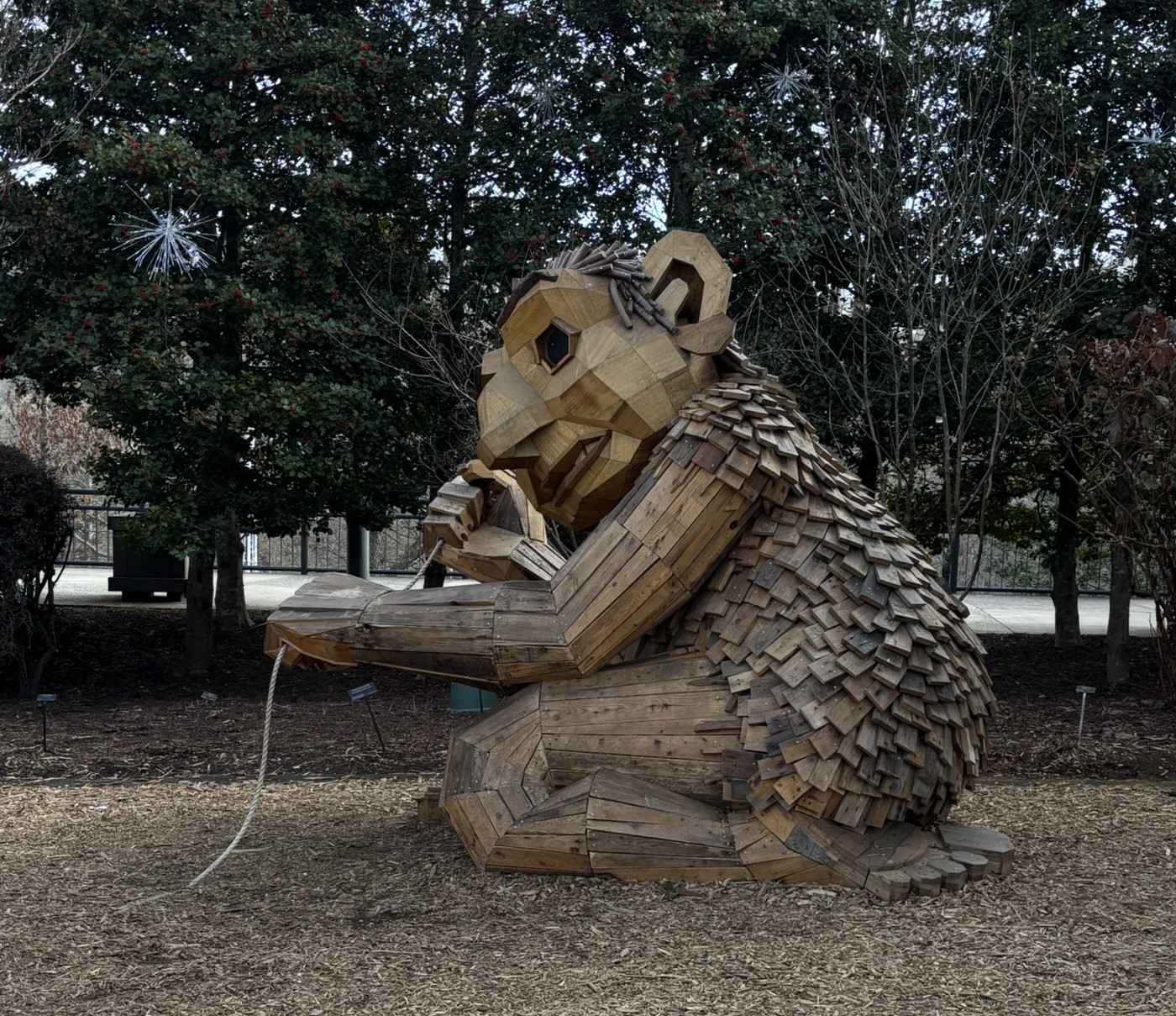
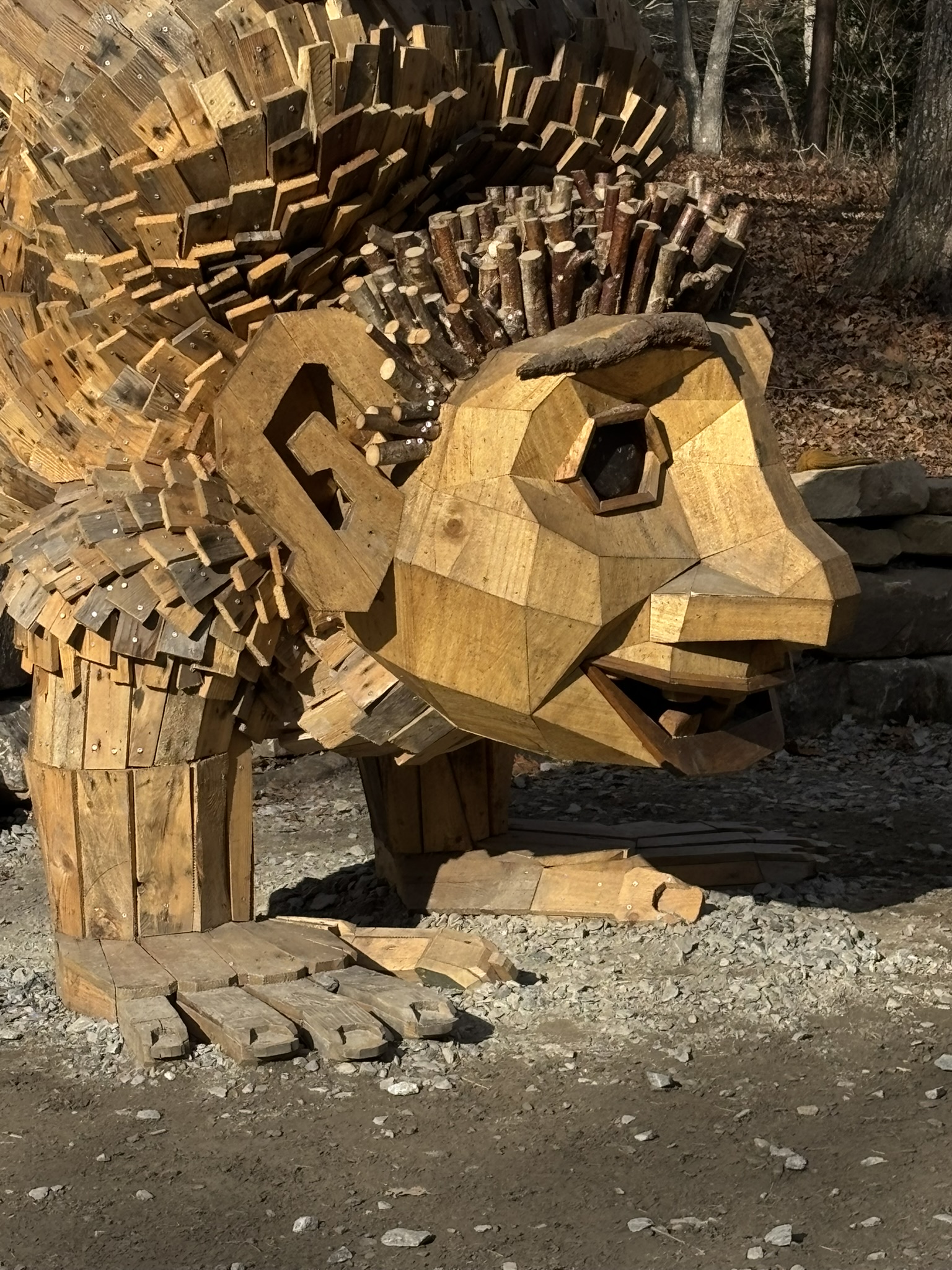
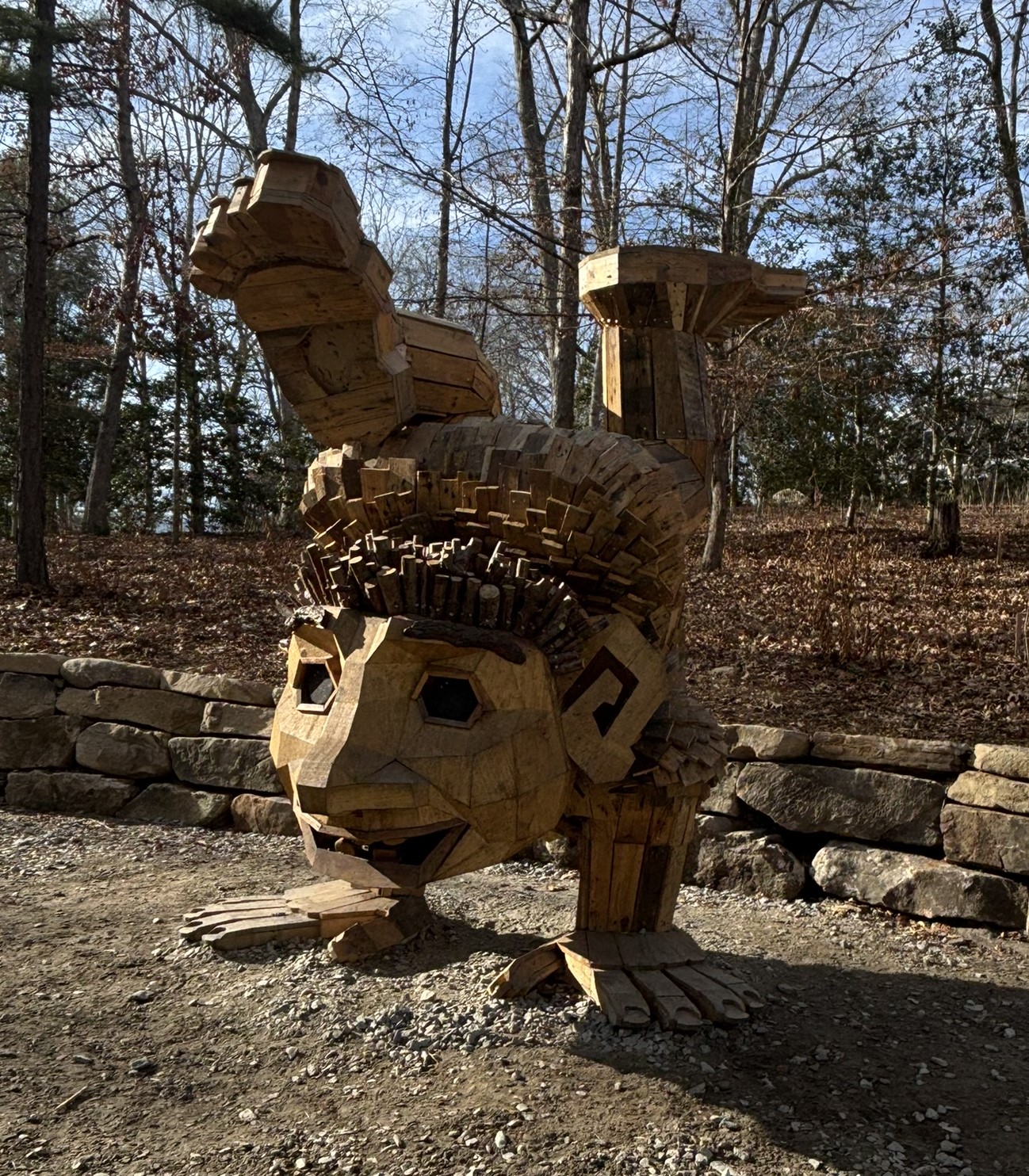
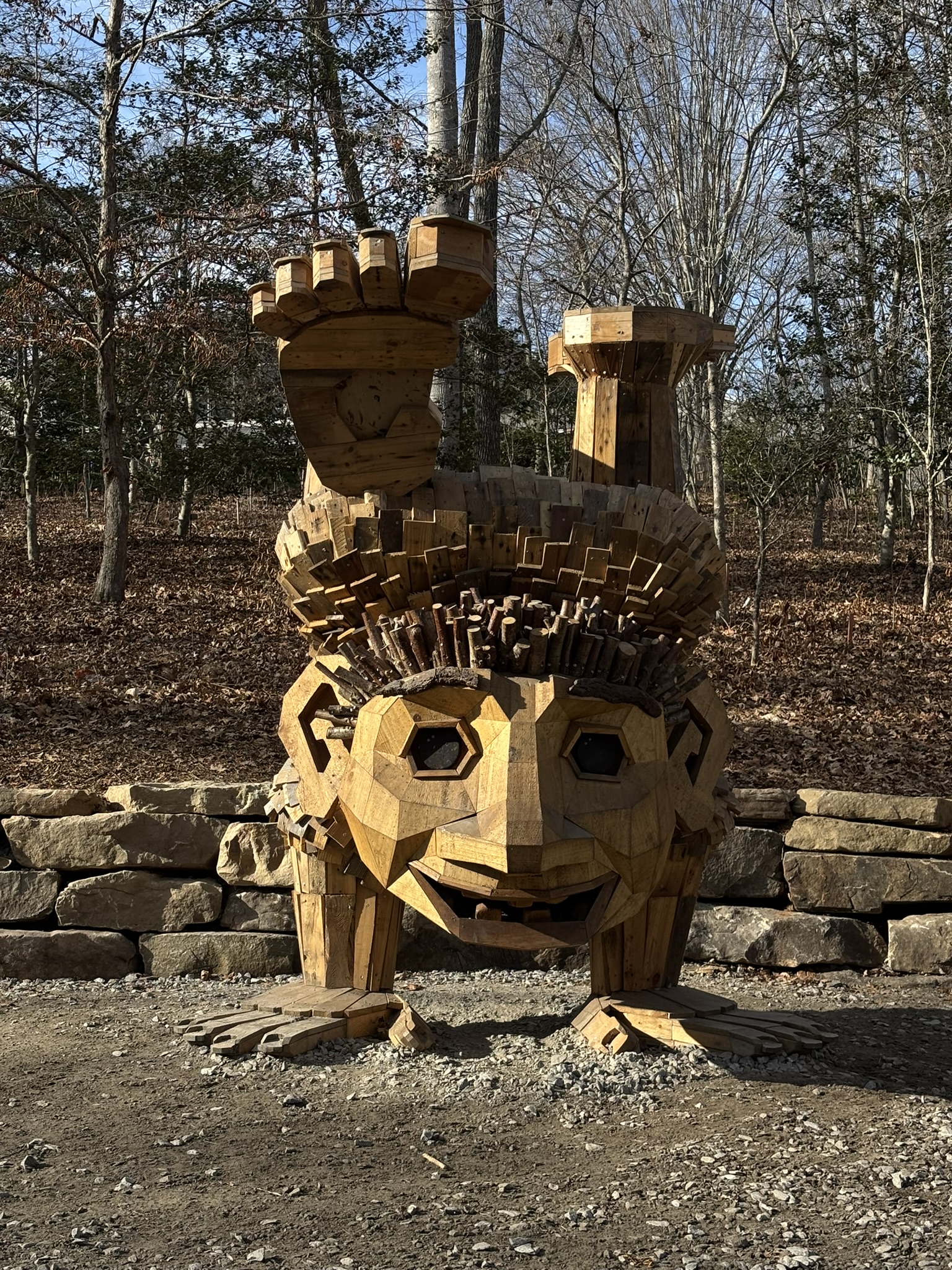
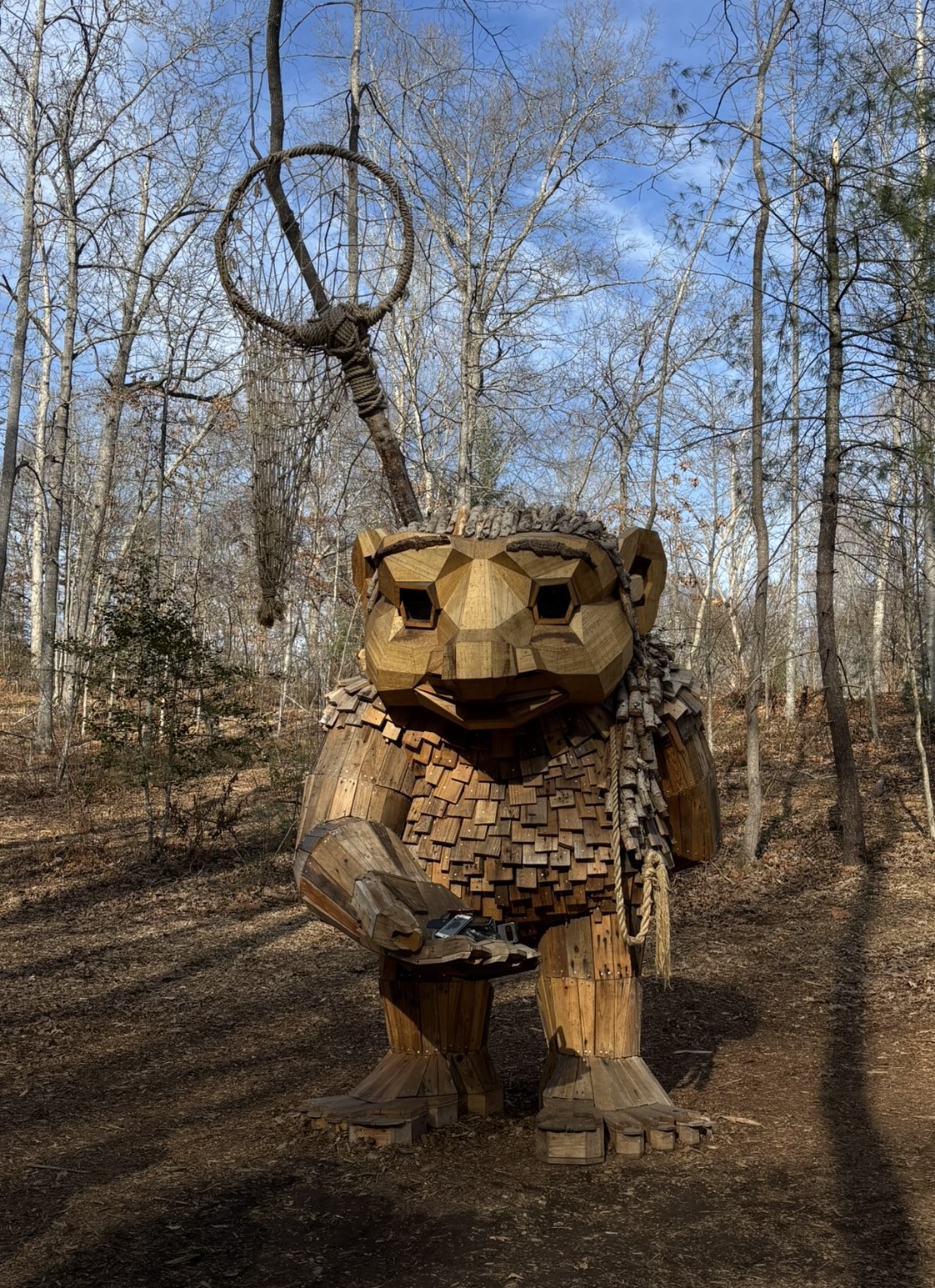
I hope this doesn’t sound like damning with faint praise. It was delightful. But, I would not have made a special trip with a hotel stay to see it. The trolls are great. But, I would need to go for other stuff, too. The Arboretum is worth seeing and so is generally hanging out in Asheville, imho. We did talk to a couple who are “troll collecting.” They saw their first in Wisconsin.
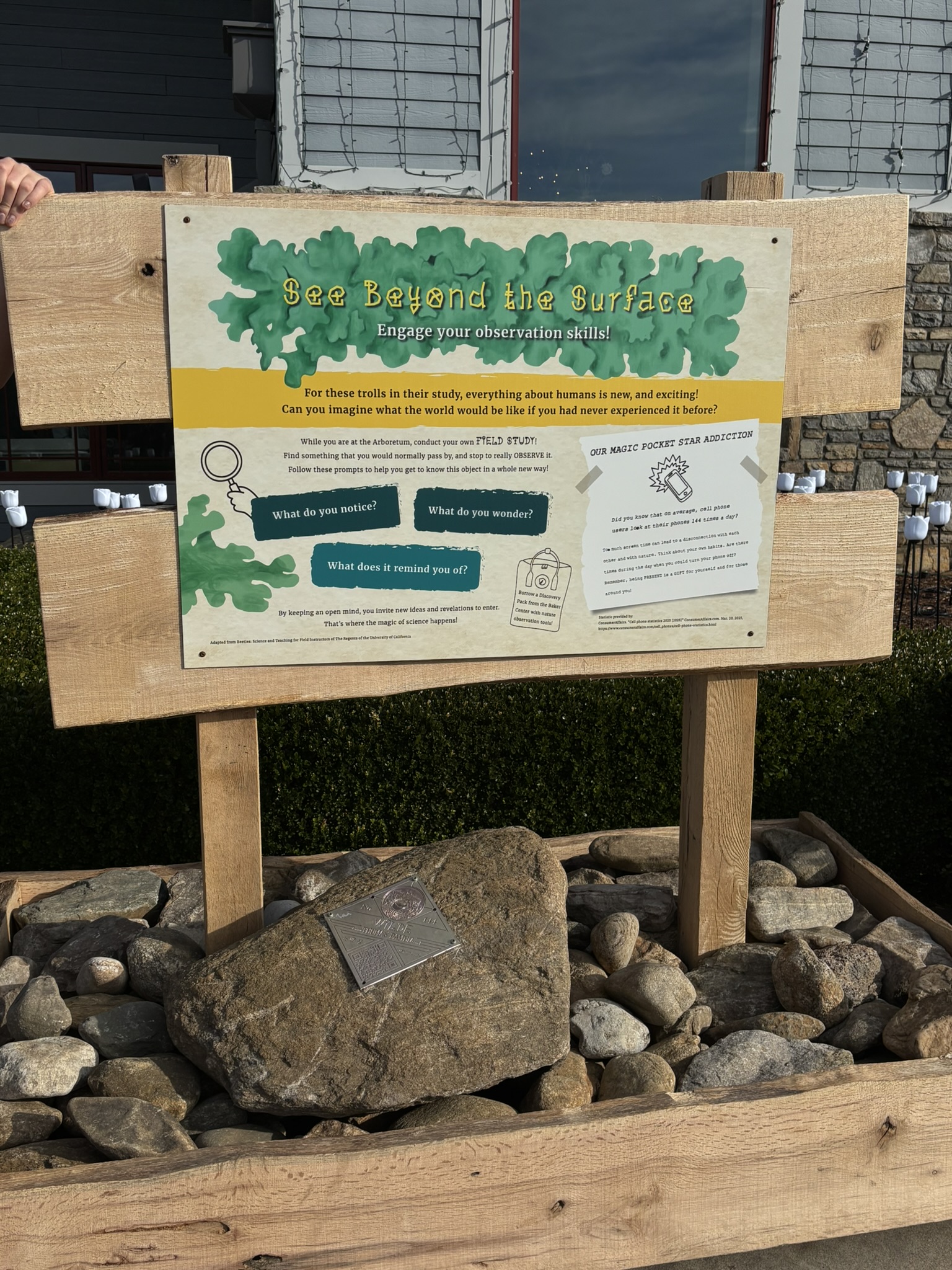
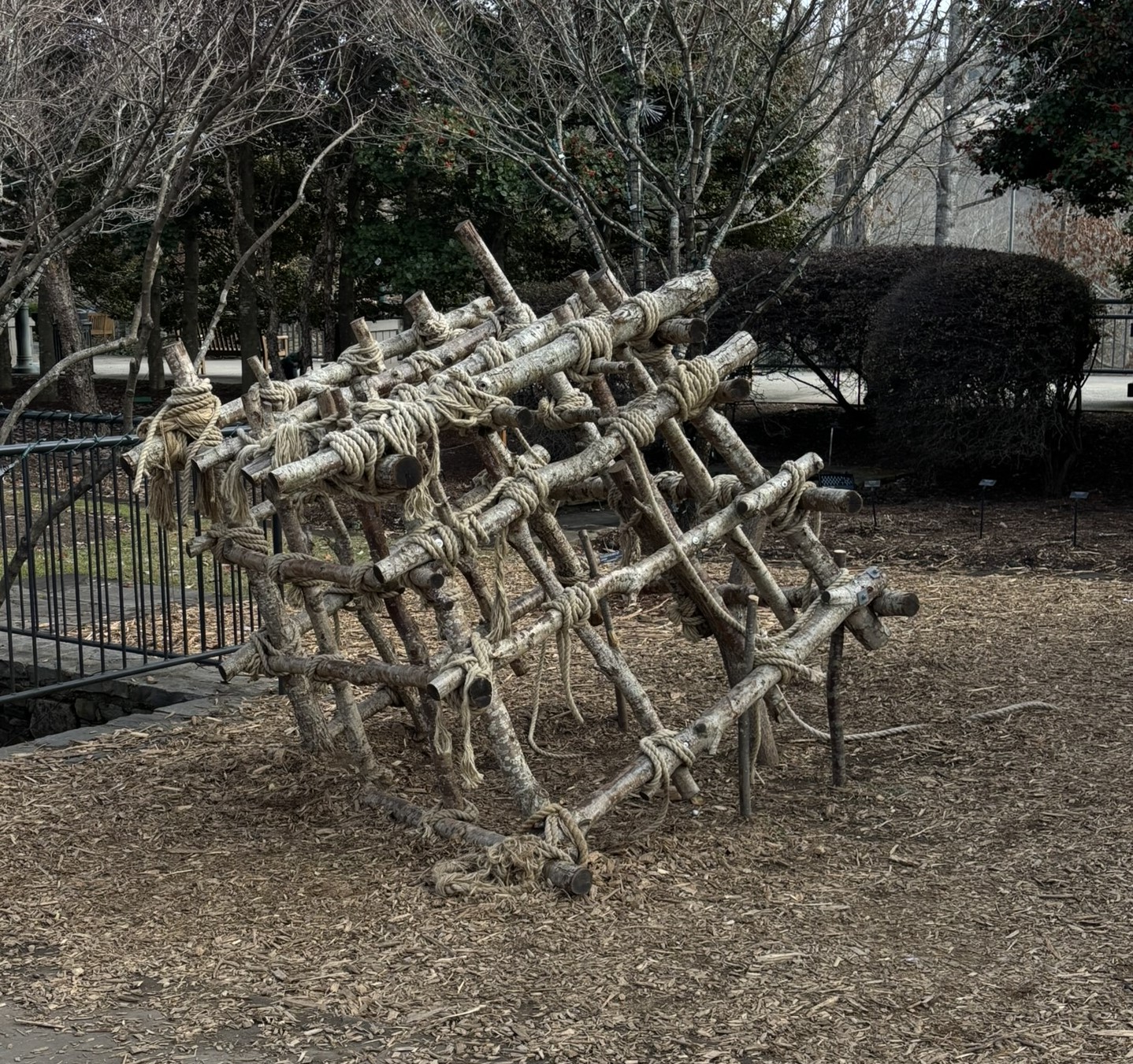
There were signs near some of the trolls giving directions that encouraged engagement with the exhibition. Not all, but some.
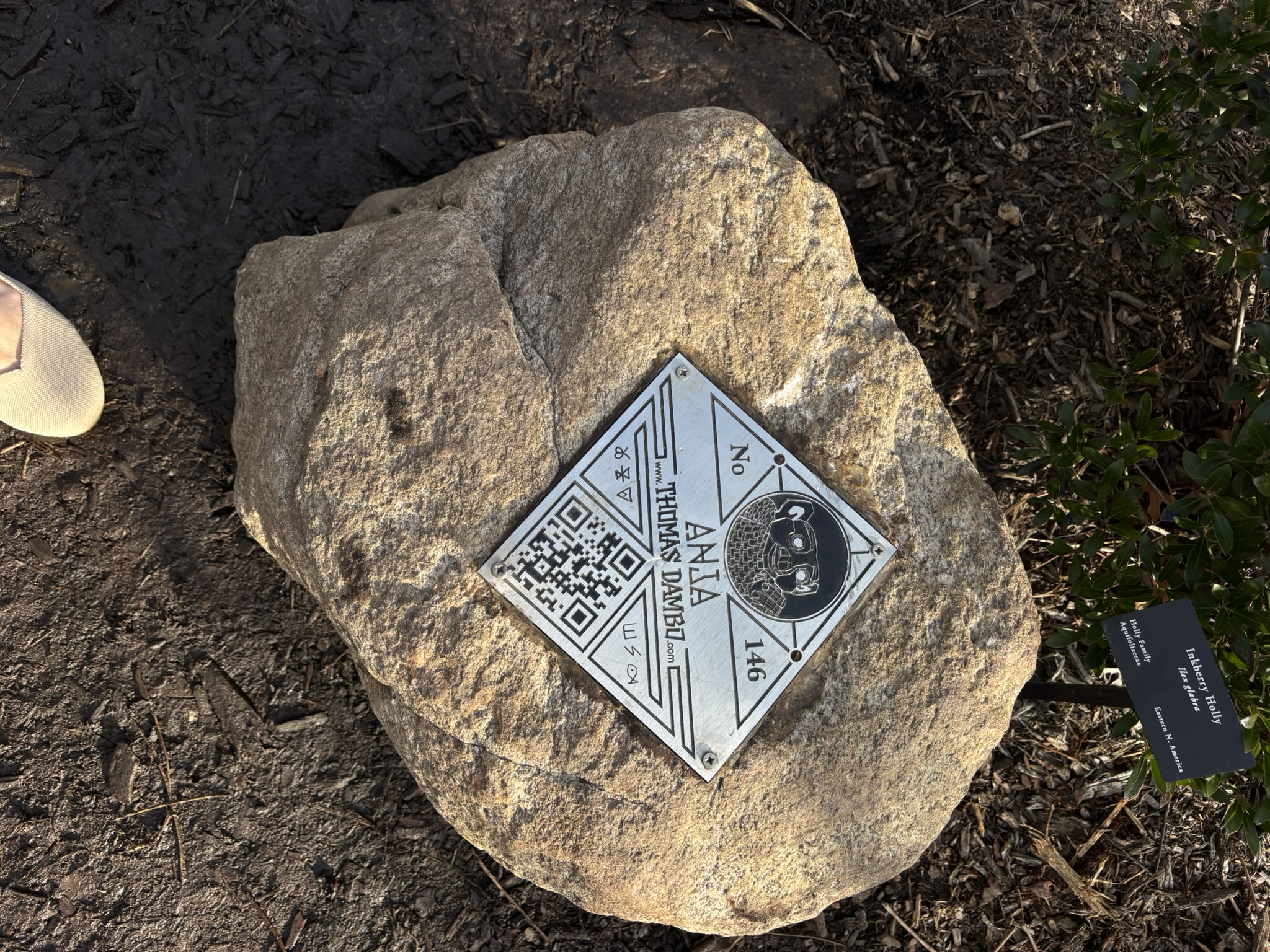
They have QR codes for labels. But, I neglected to take pictures of all of them. Frankly, I didn’t notice them until I was 3 or 4 trolls along.
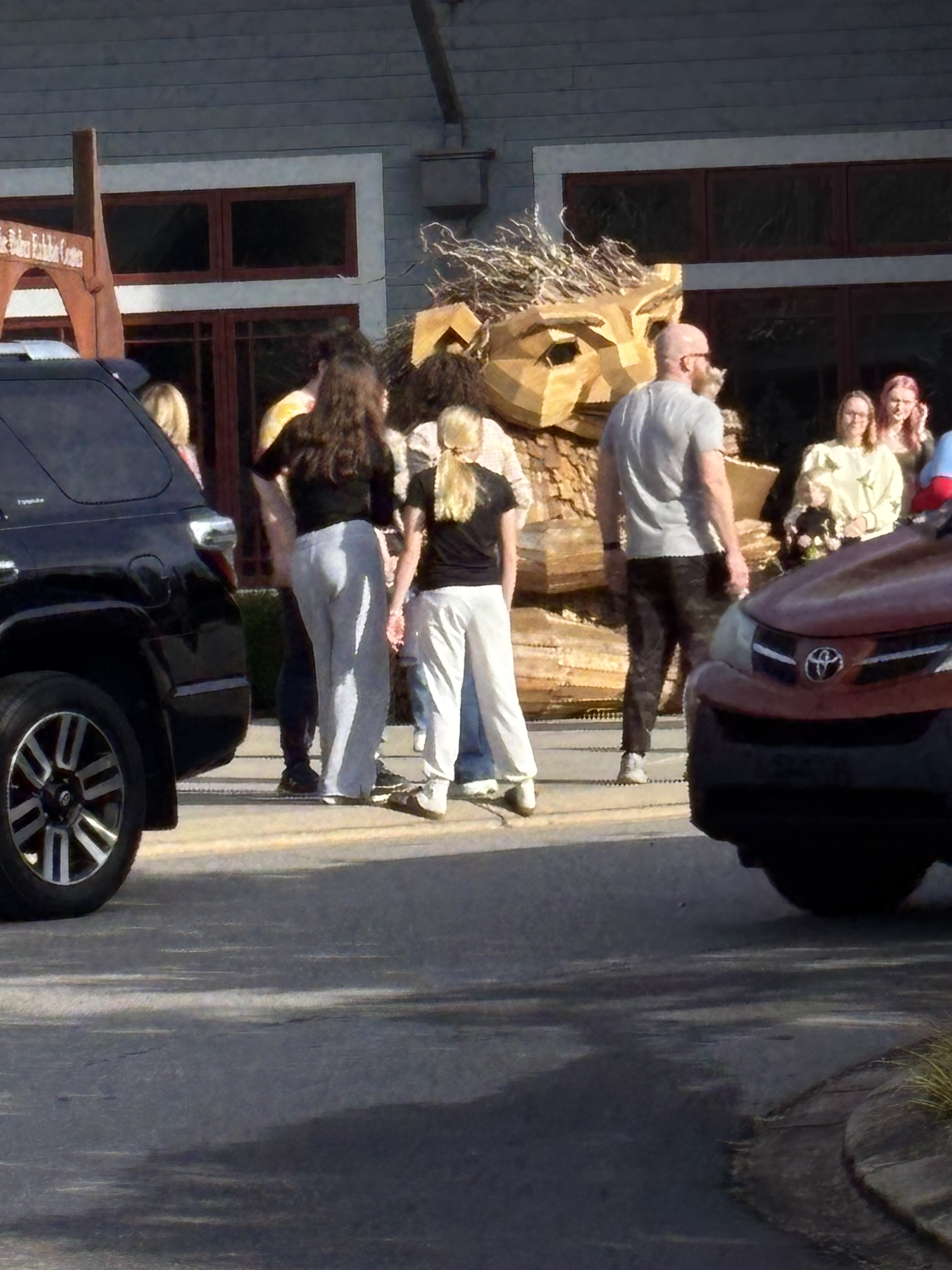
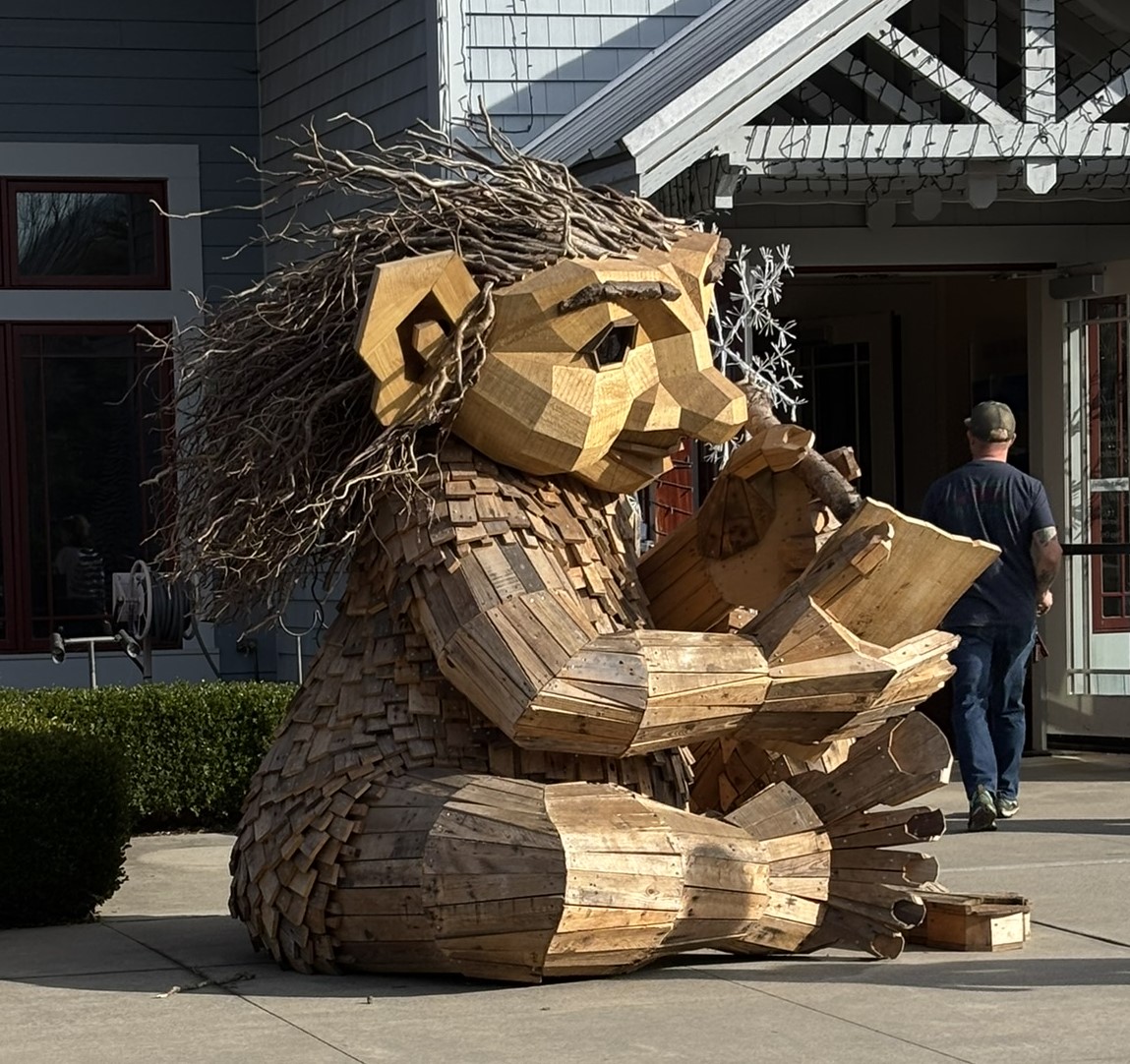
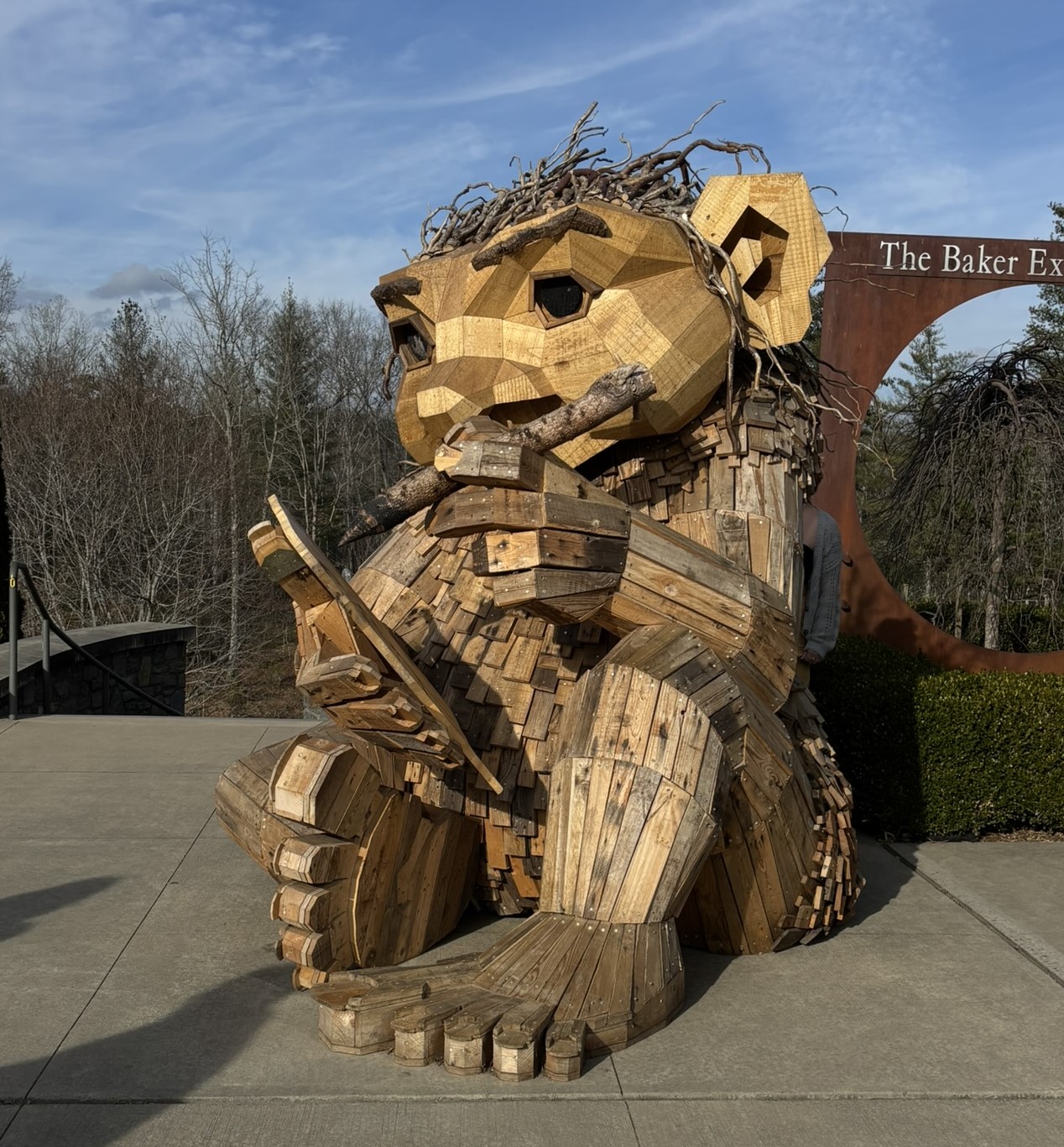
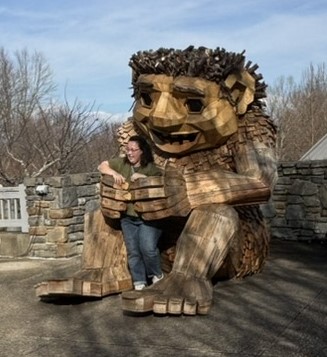
This first troll you see is Wilde. It’s by the entrance into the Visitor Center. I wasn’t sure I was going to get a picture of it without a human blocking it because so many were crowding around getting their own photos.
WildeTaks
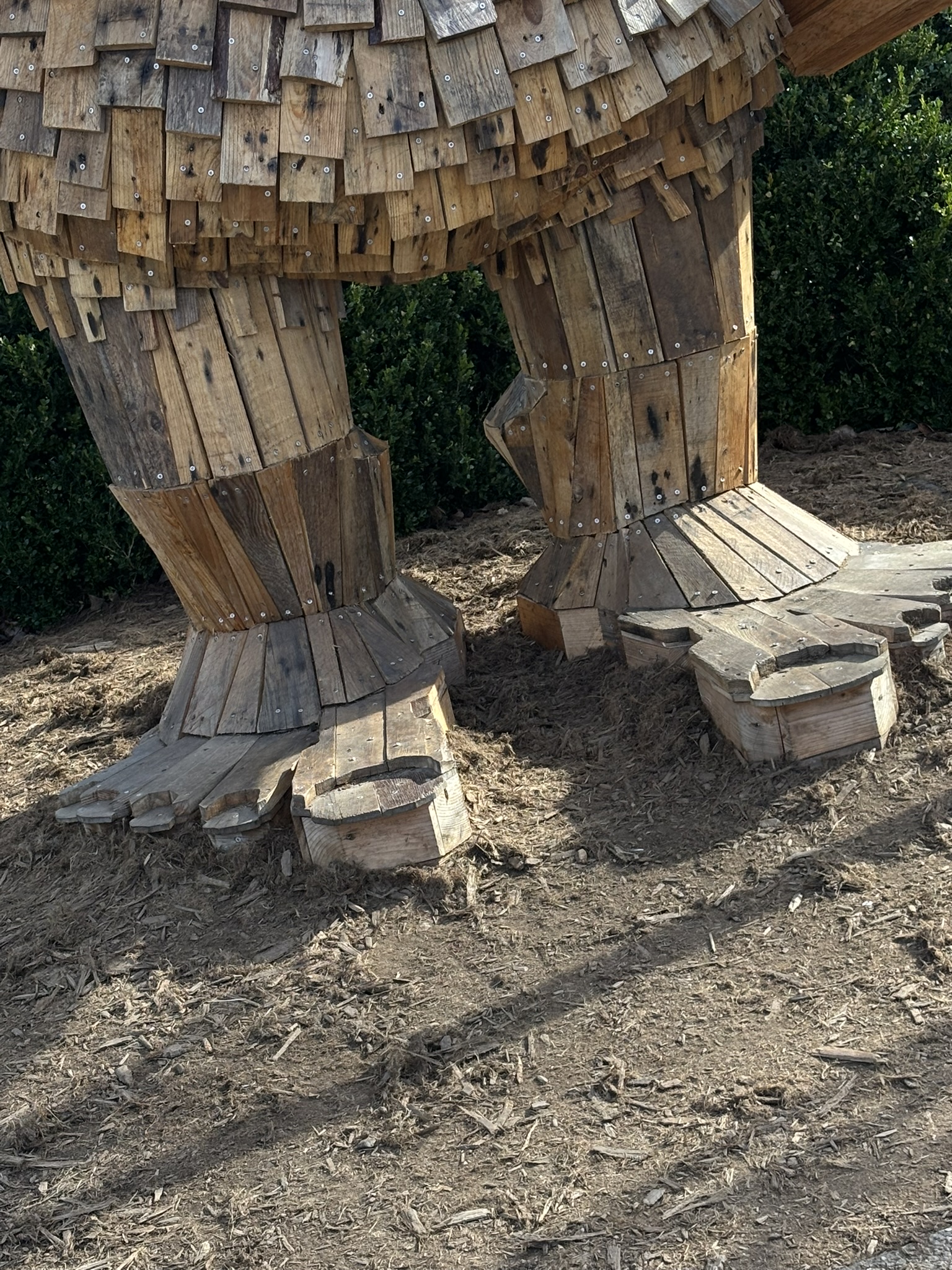
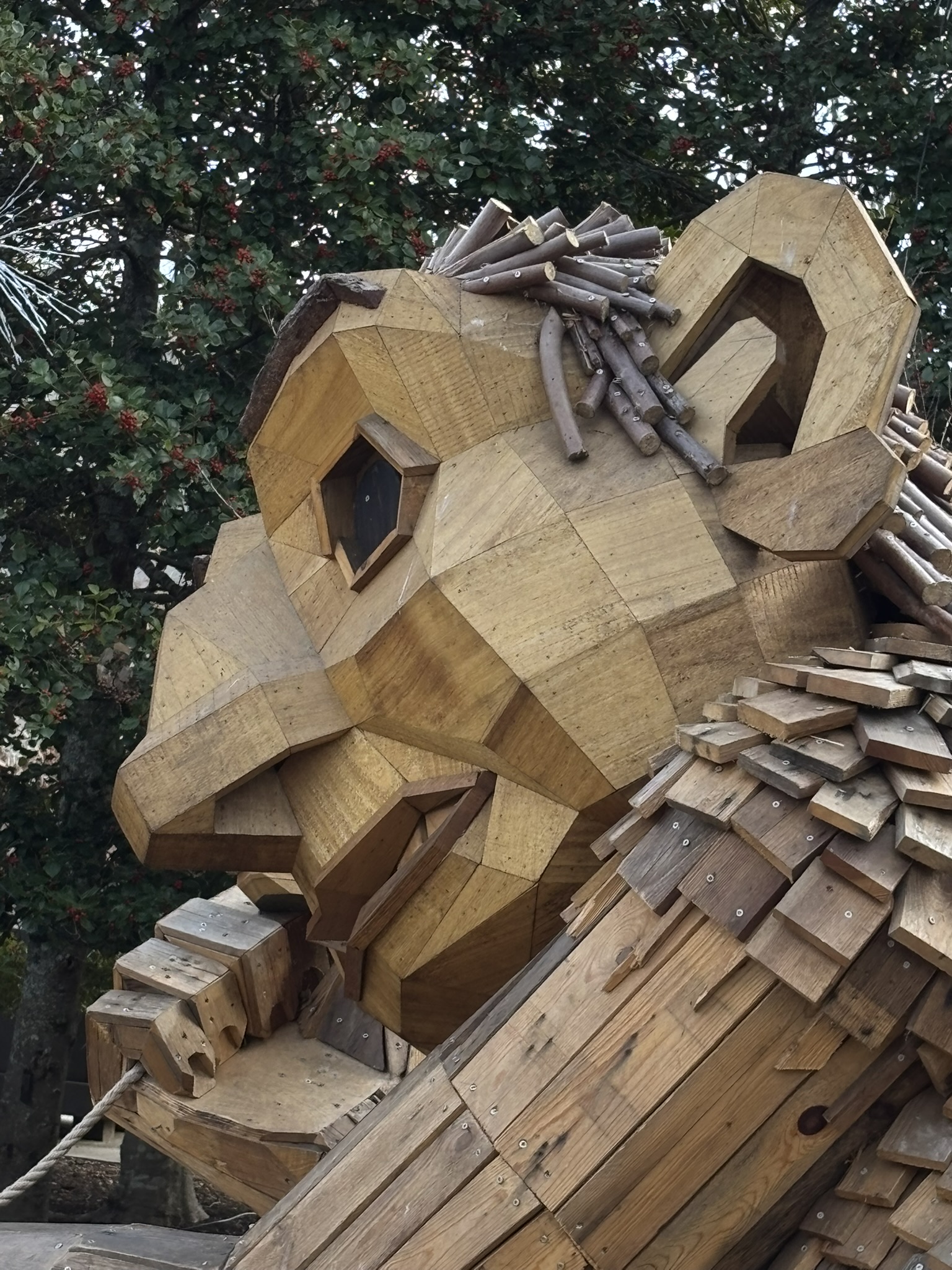
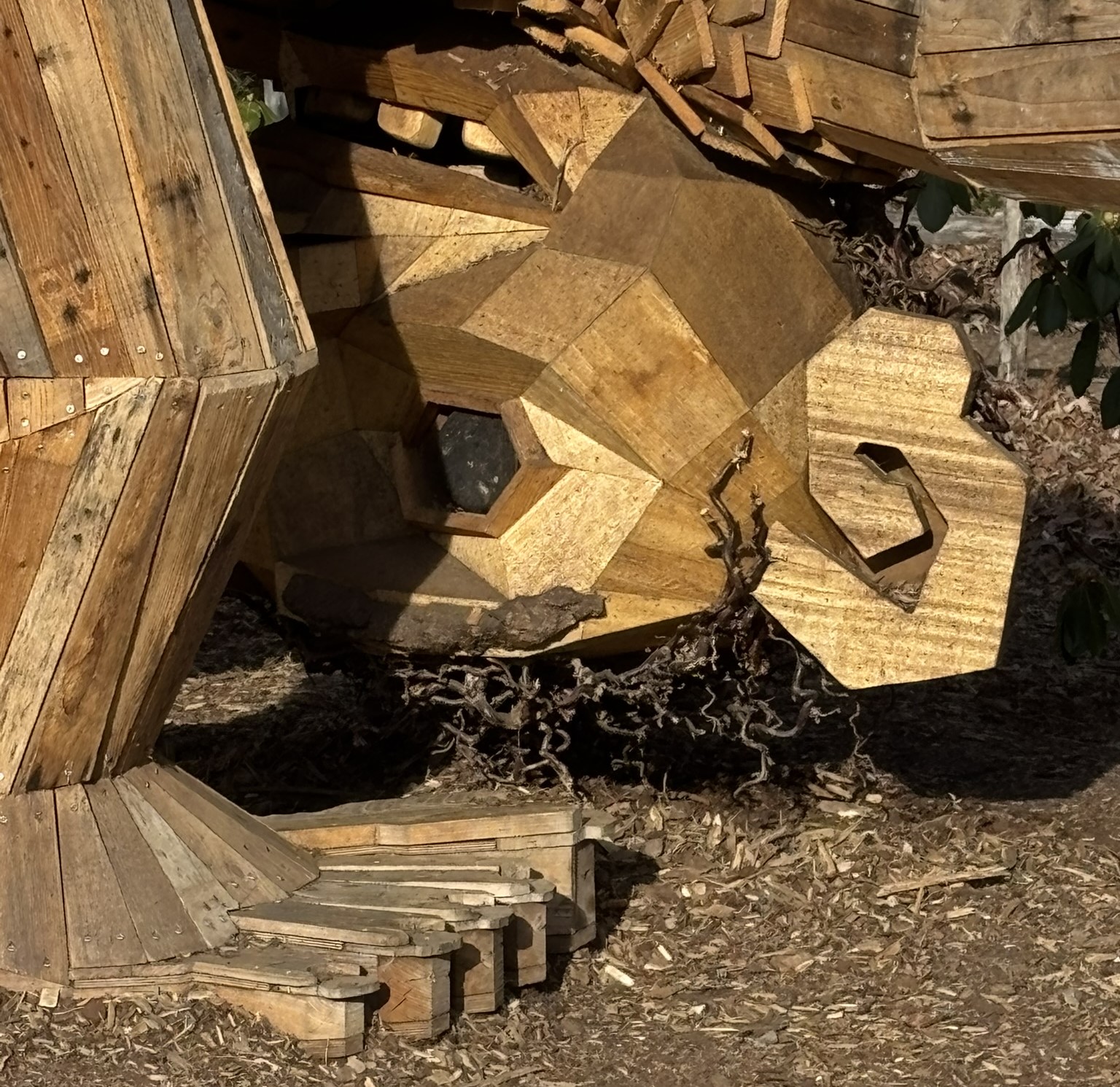
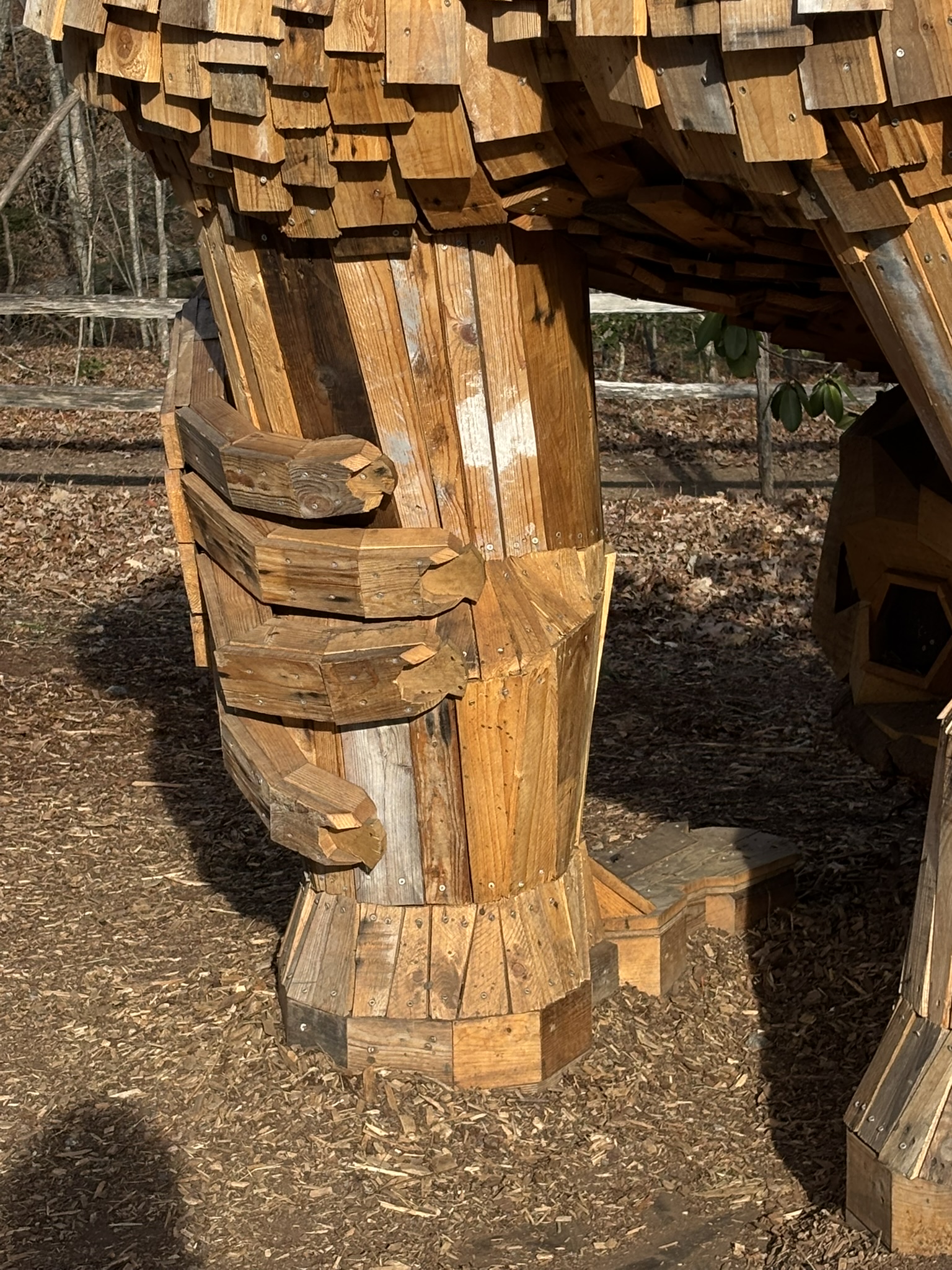
The highlights in his eyes are screws. And I was amused by how the toenails are inverted. Those were features of all of the trolls.
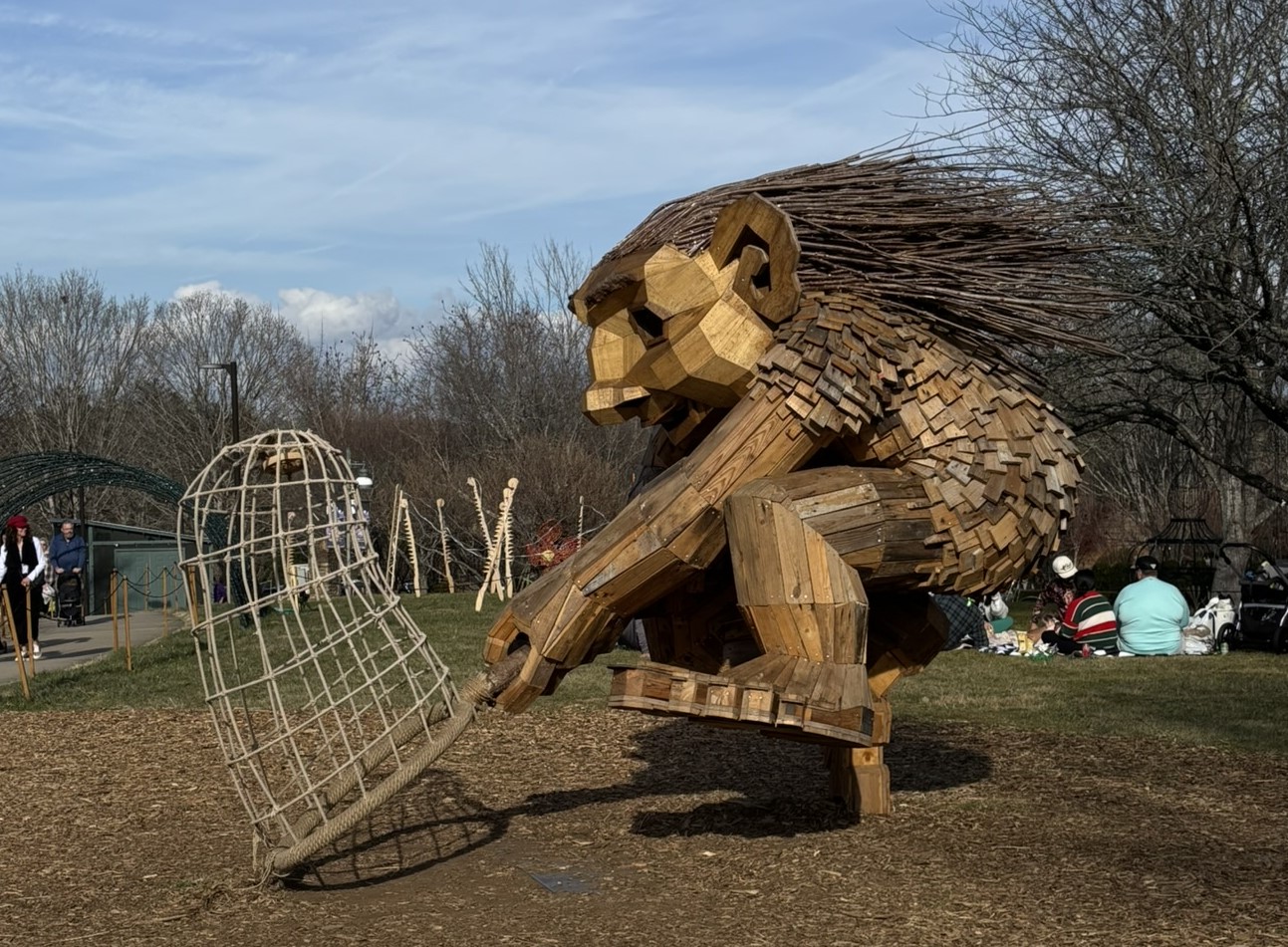
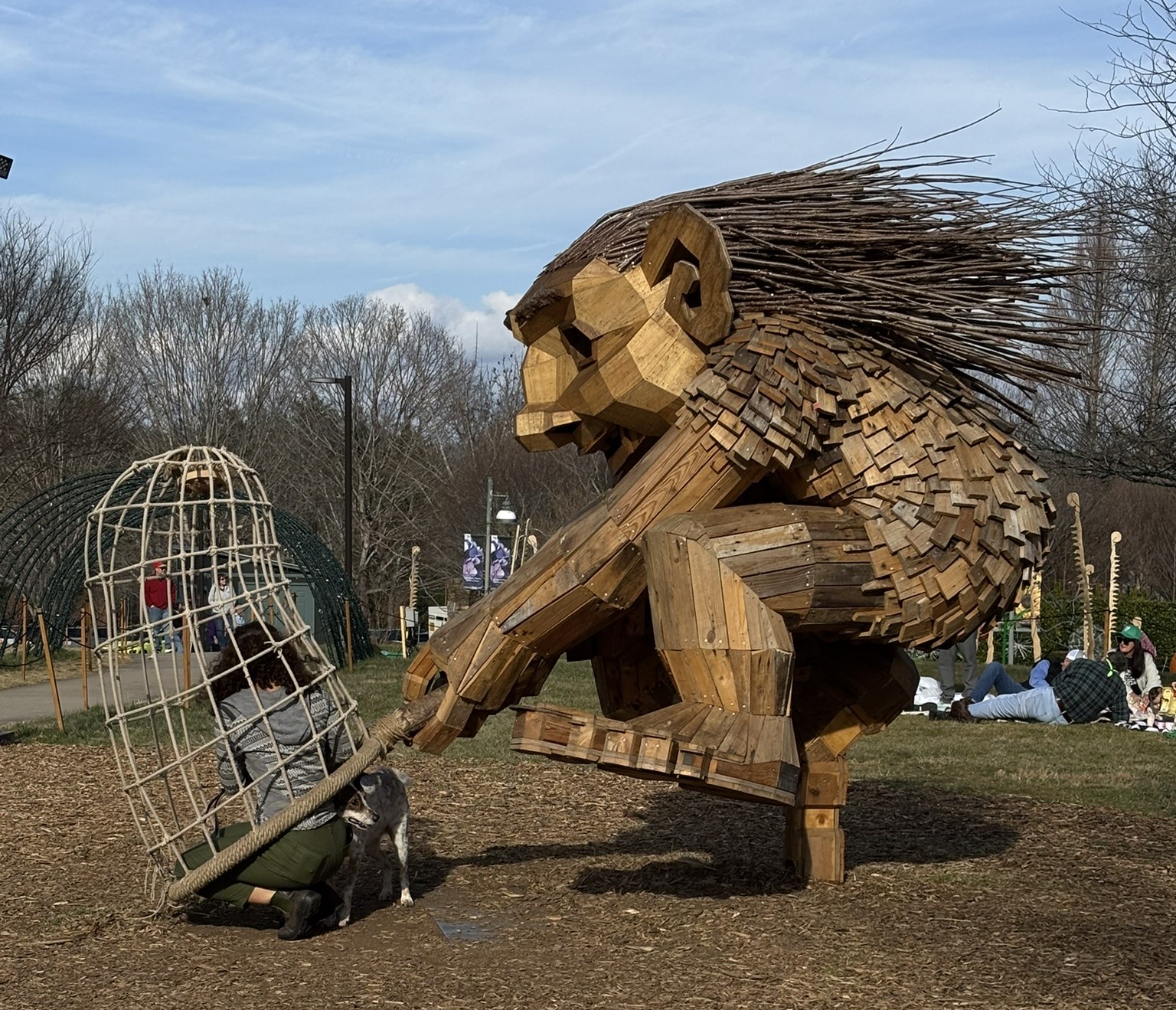
ValleBignutLilnutBoge
I absolutely could not get a picture of Boge without someone in his hands. The crowd around him was large and close in as everyone waited to take their turn to be held by a troll.
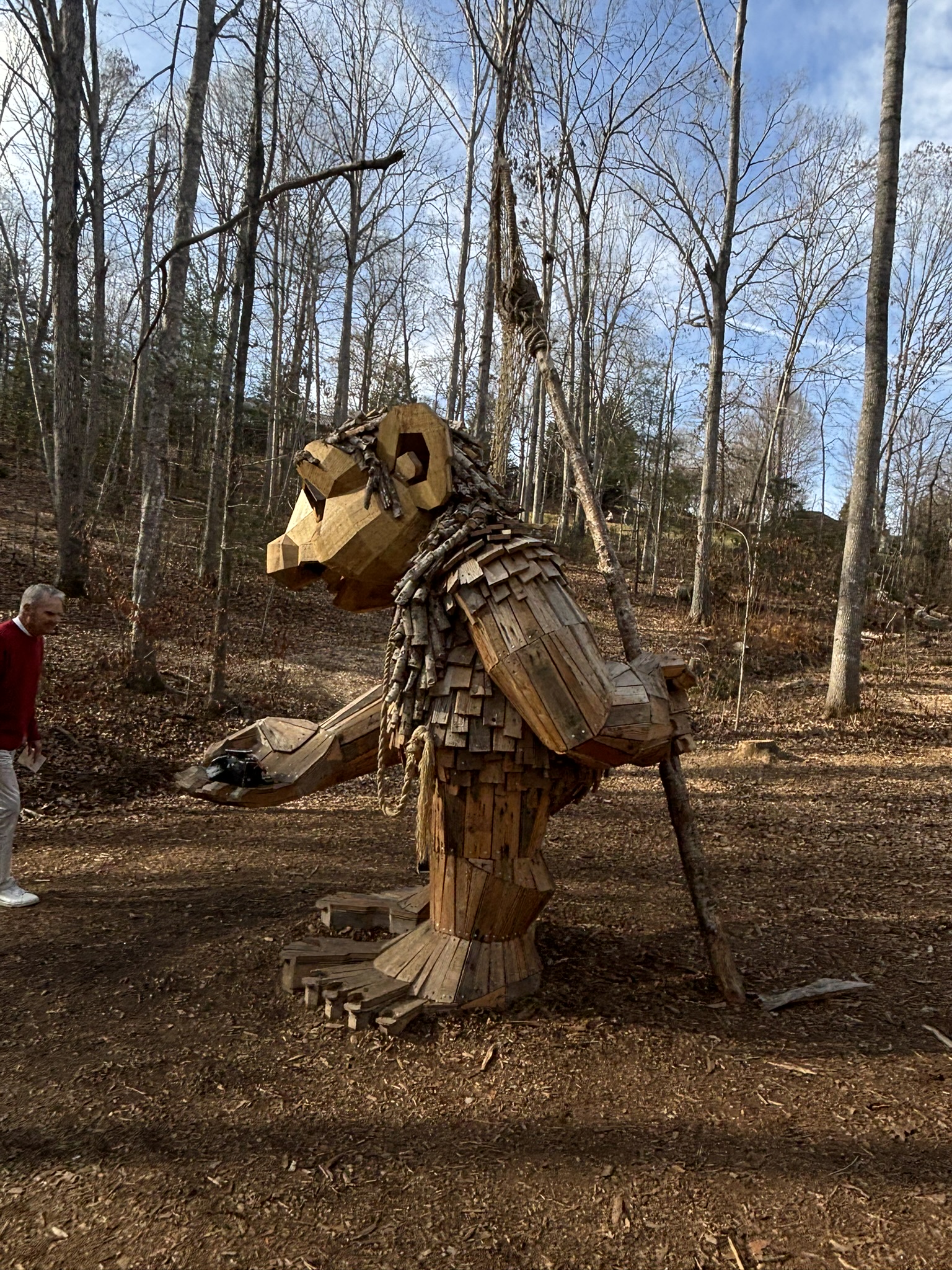
KirsePoppy
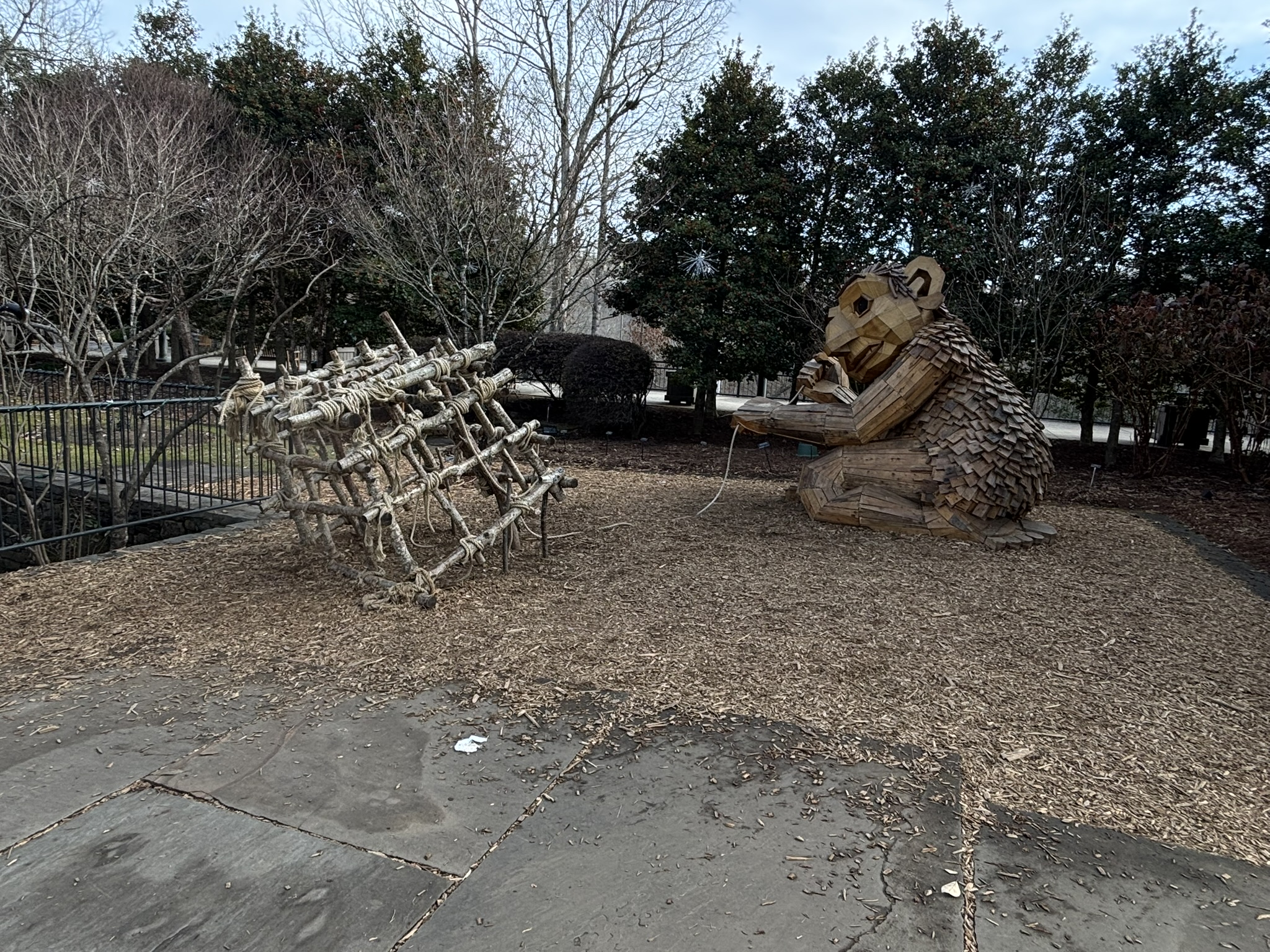
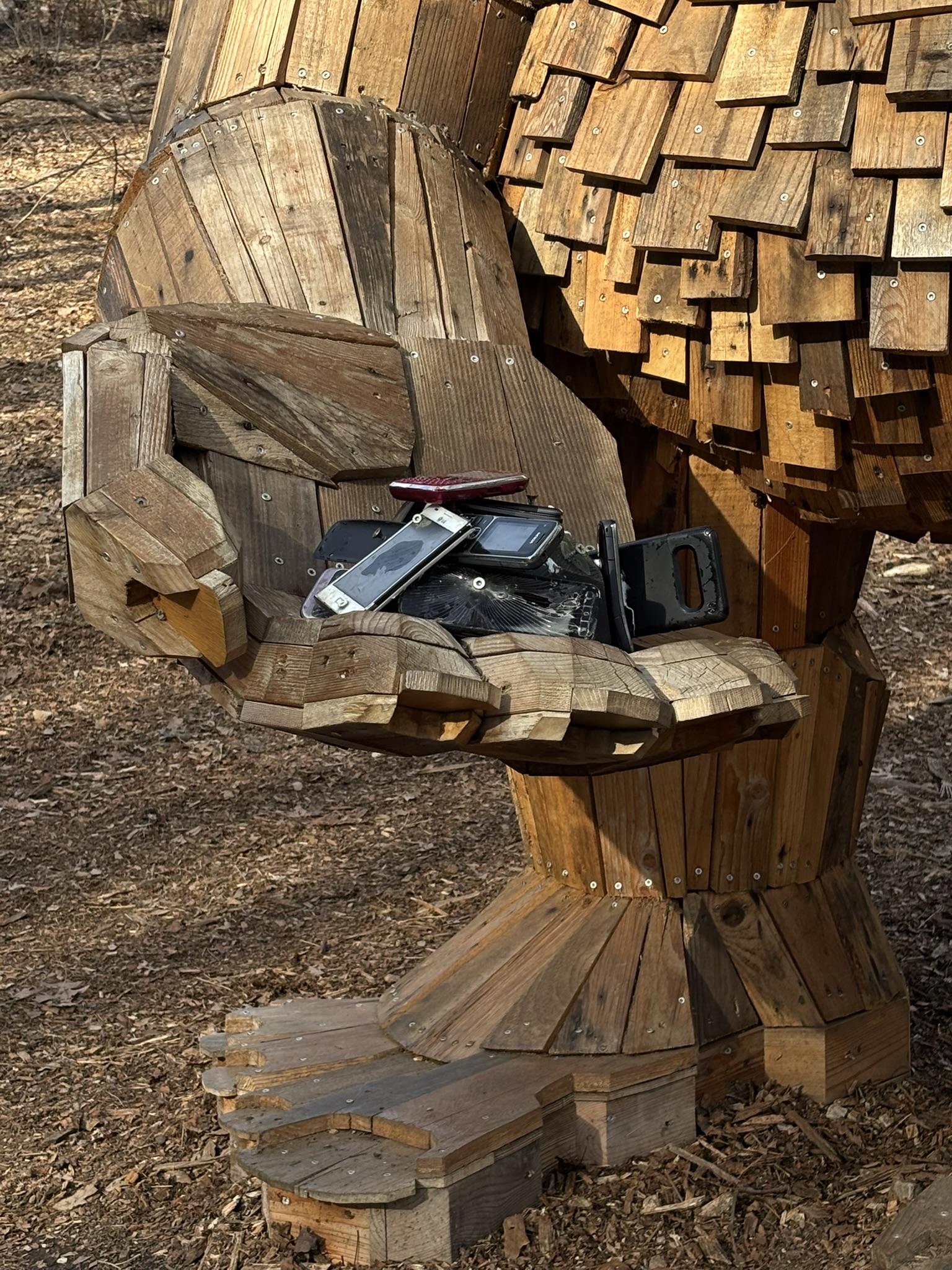
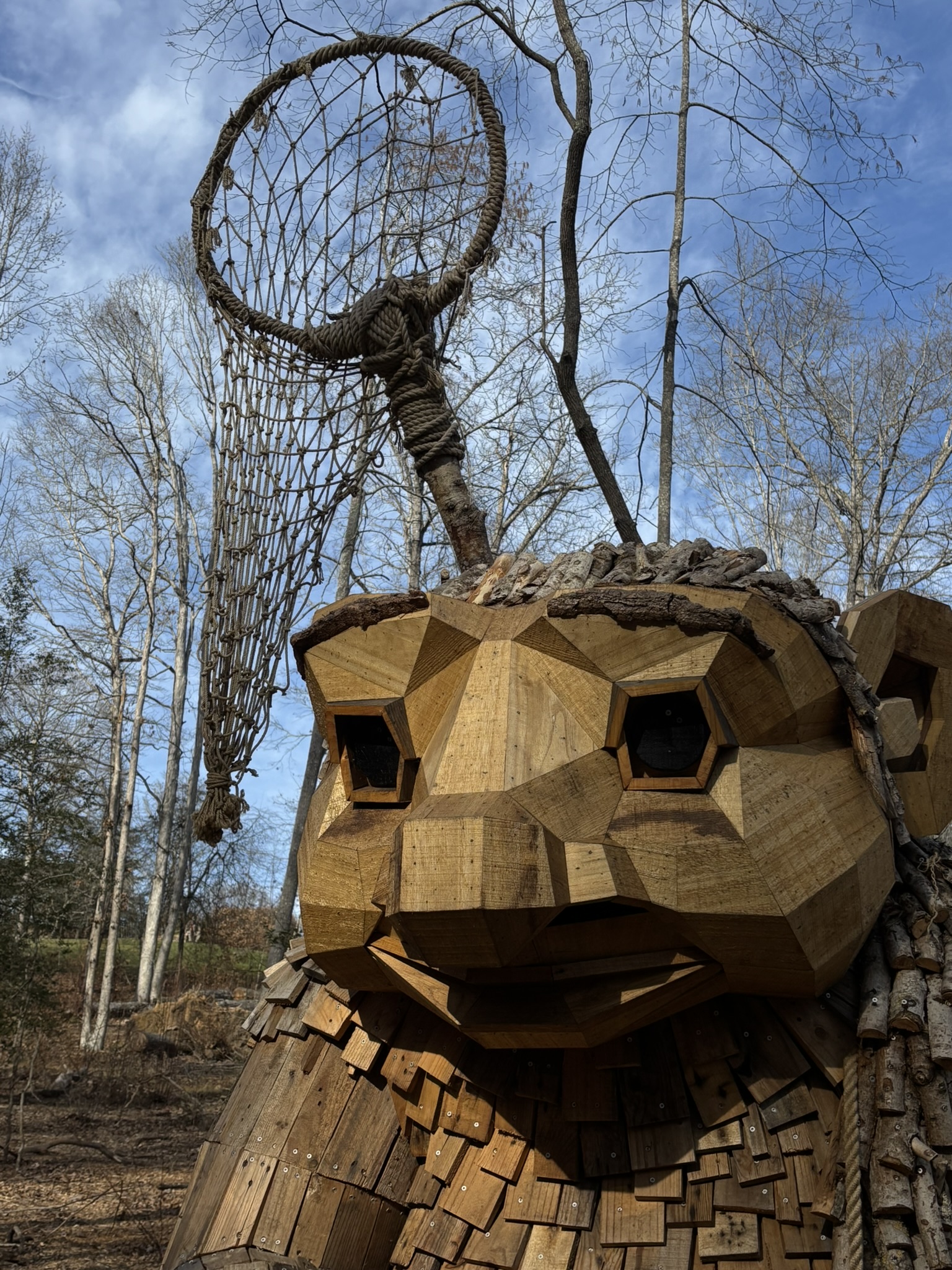
Nearby, there was a little story about Poppy collecting the detritus of humans kind of like little kids collect rocks.
Hasse
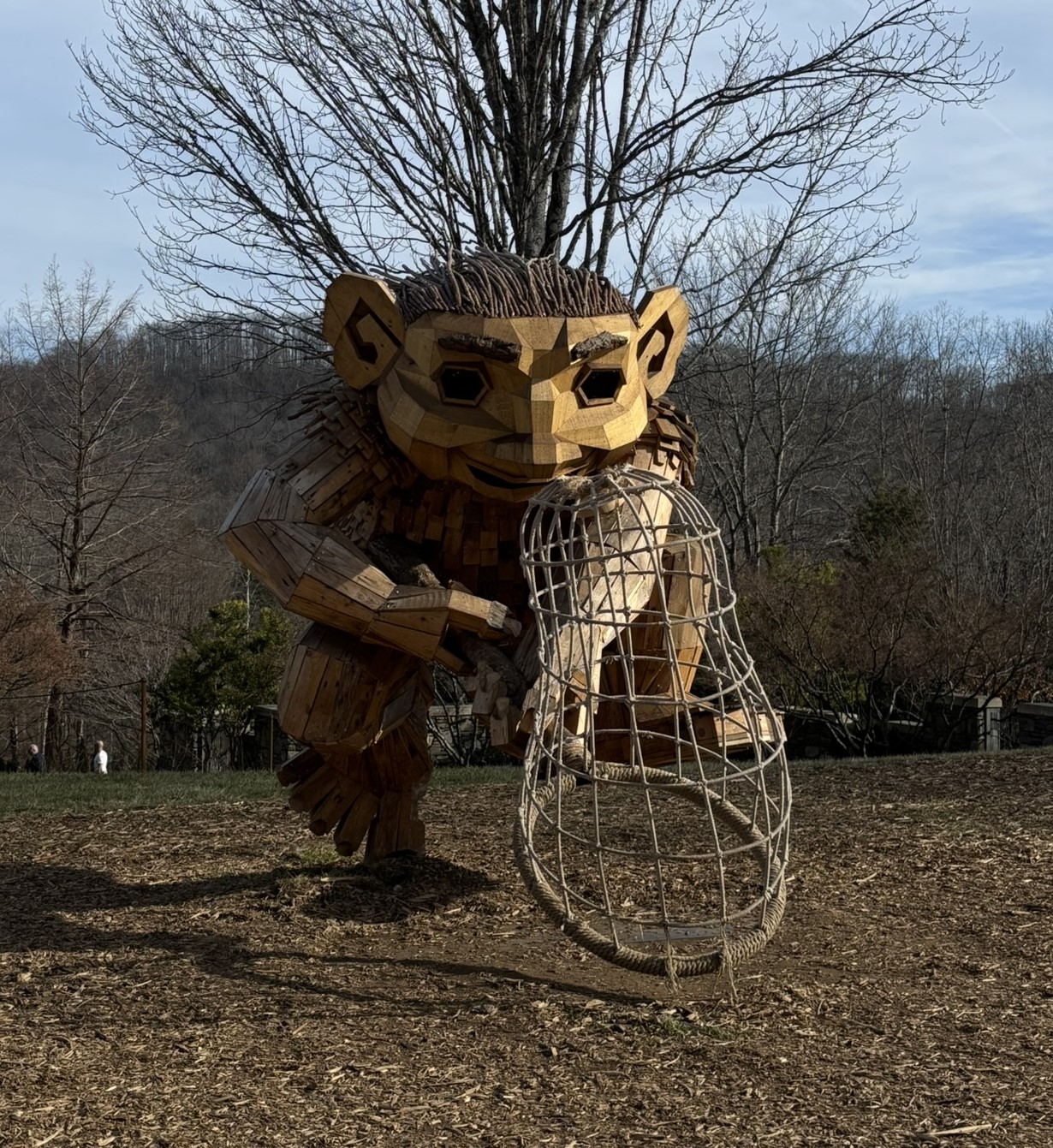
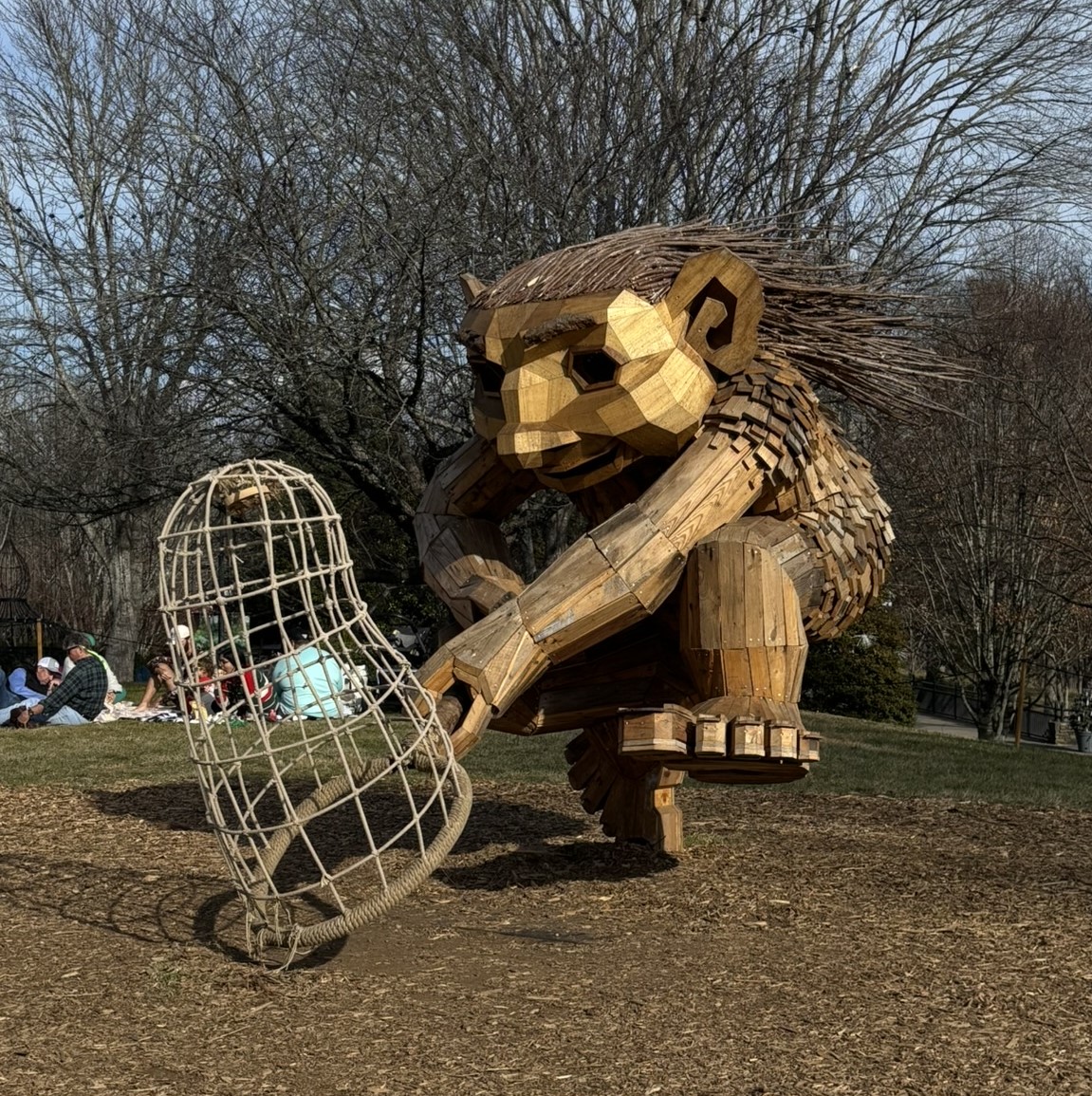
Hasse is pretty sassy and I love his hair.
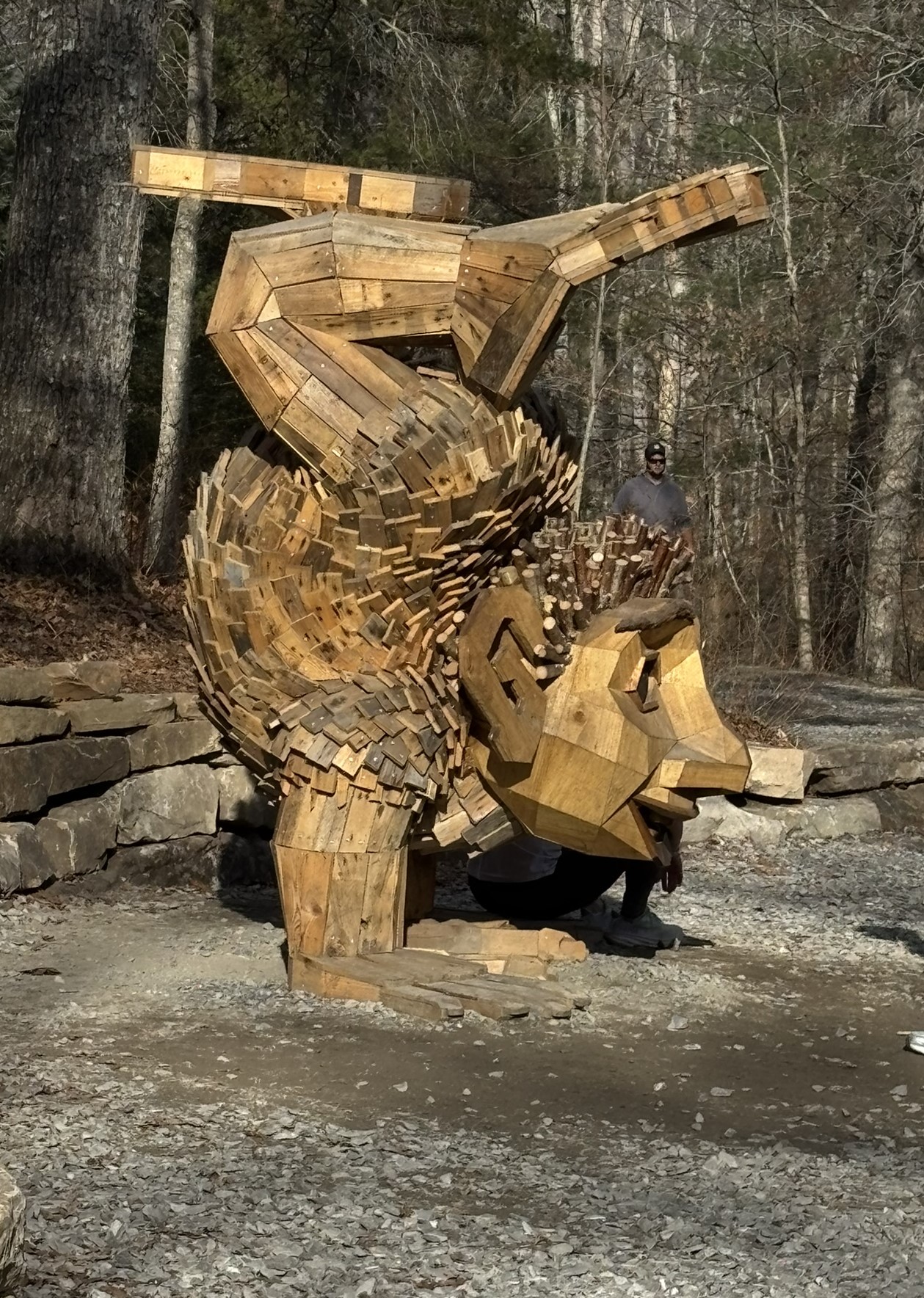
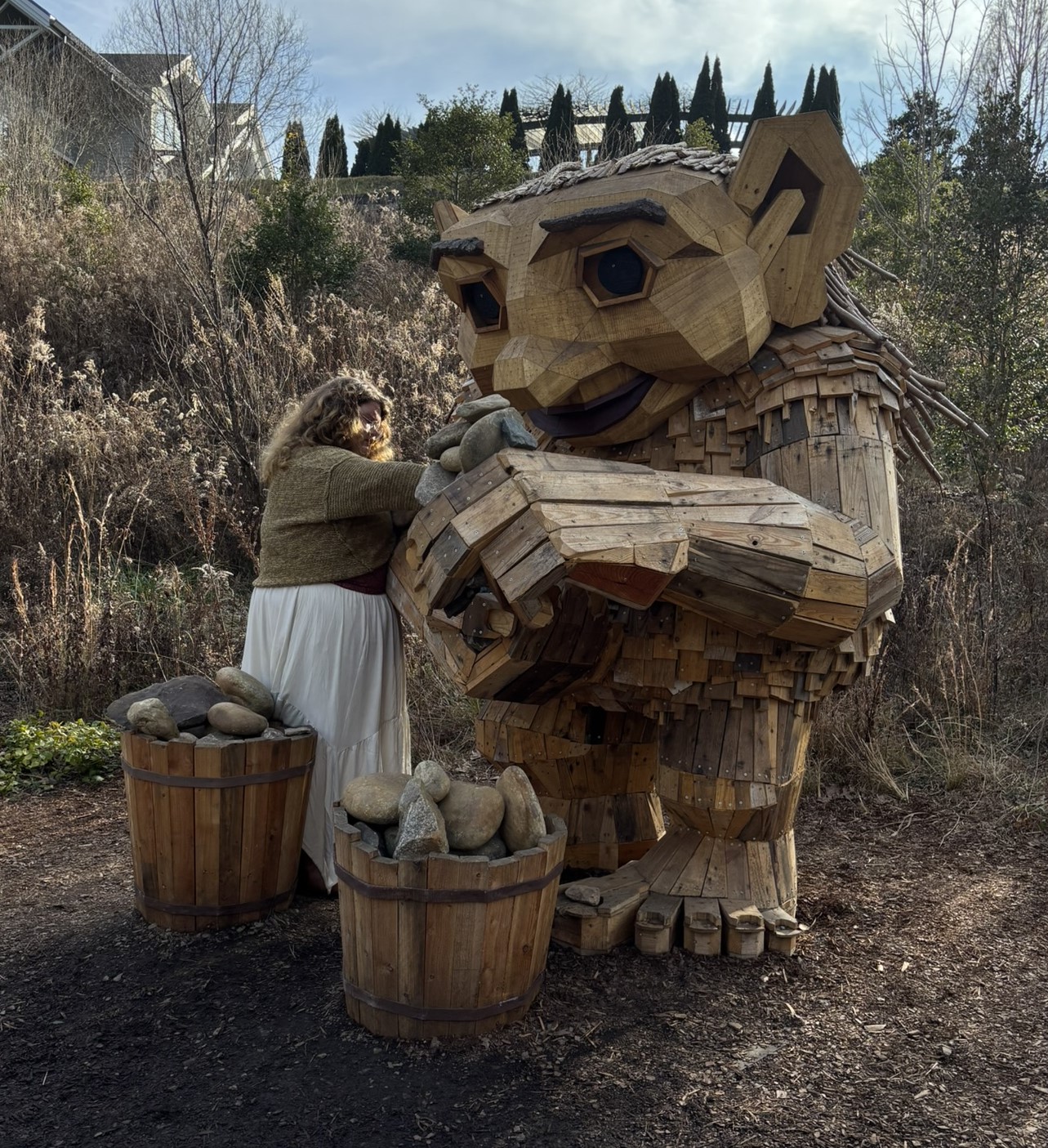
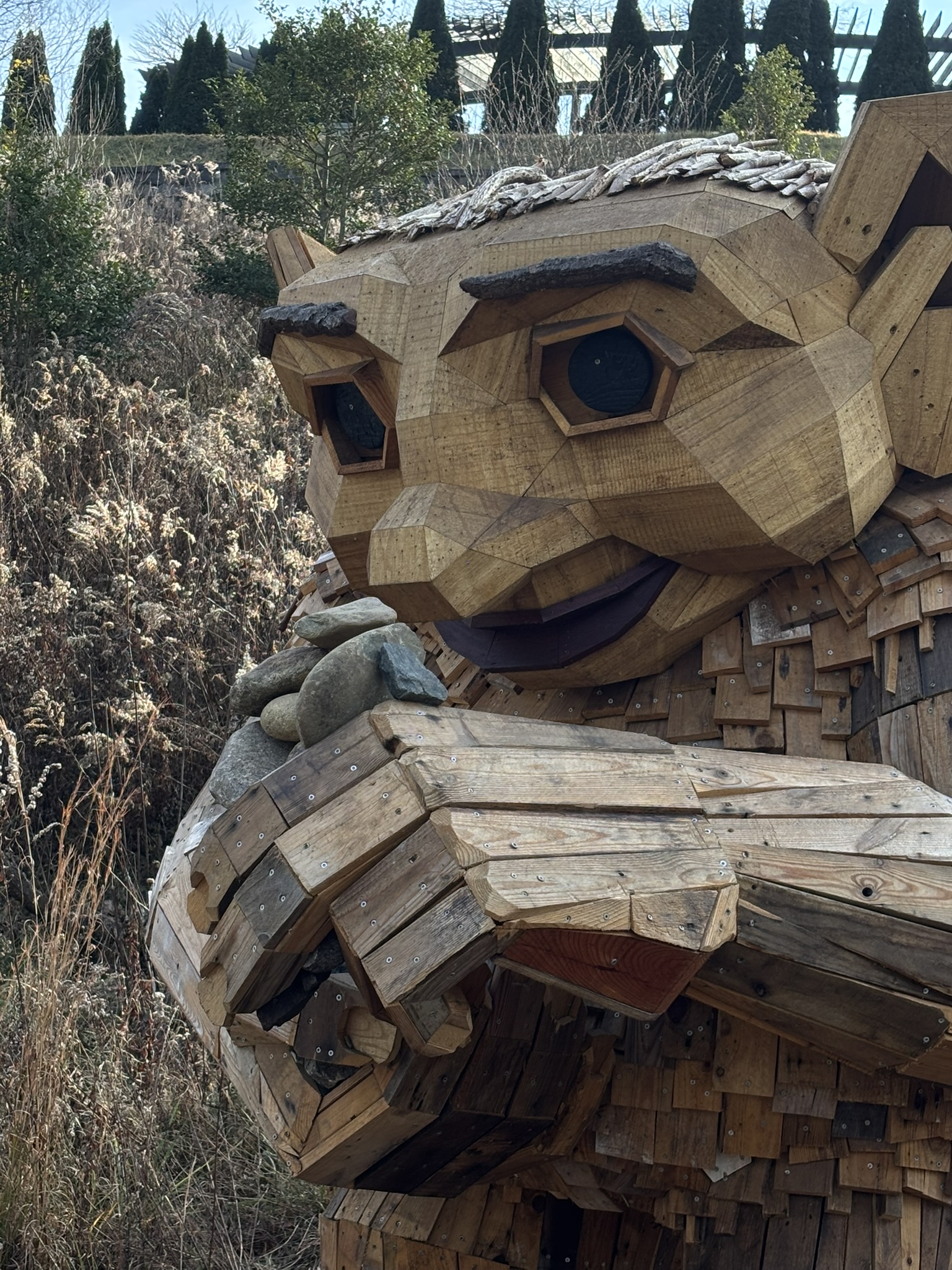
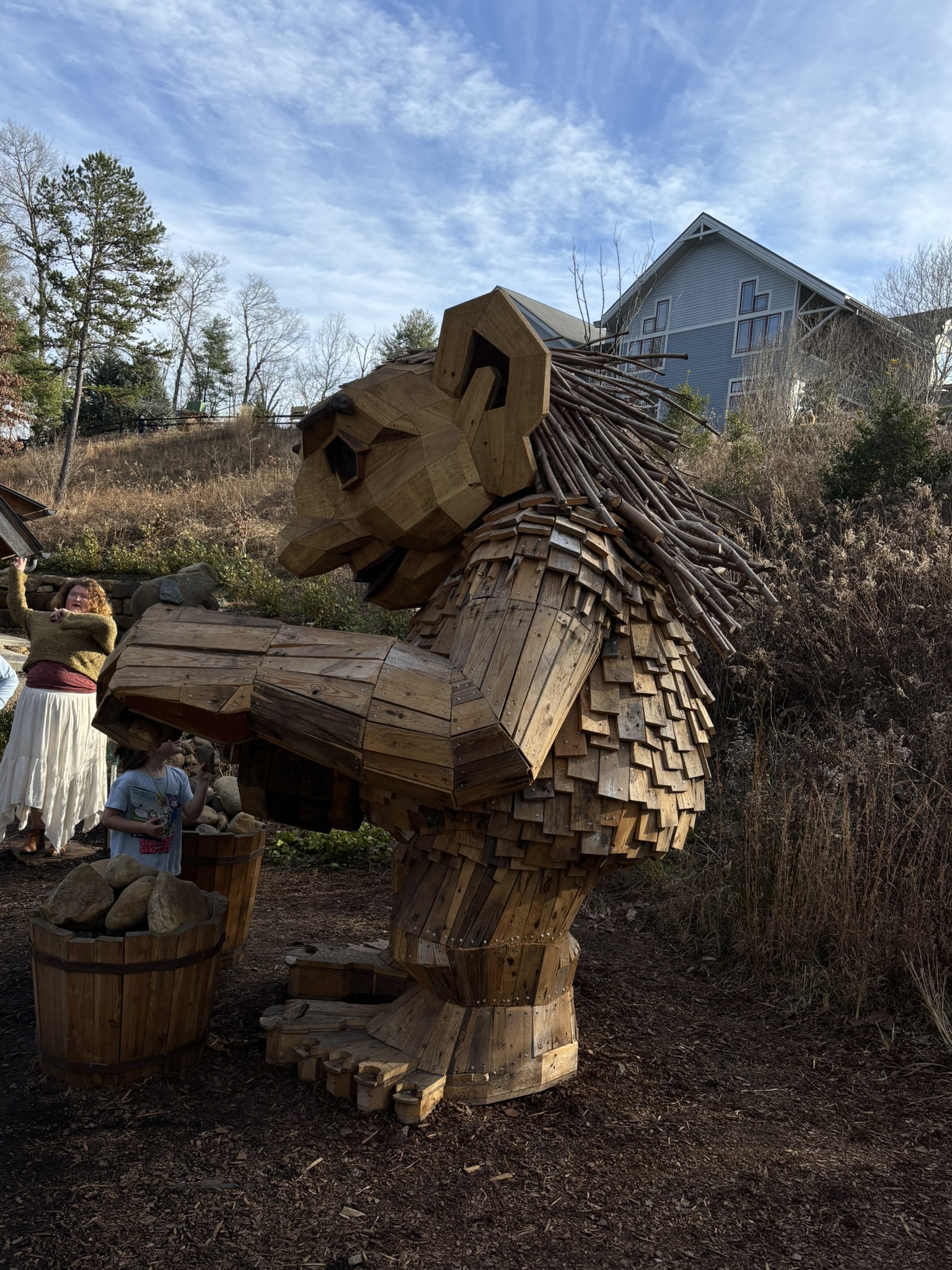
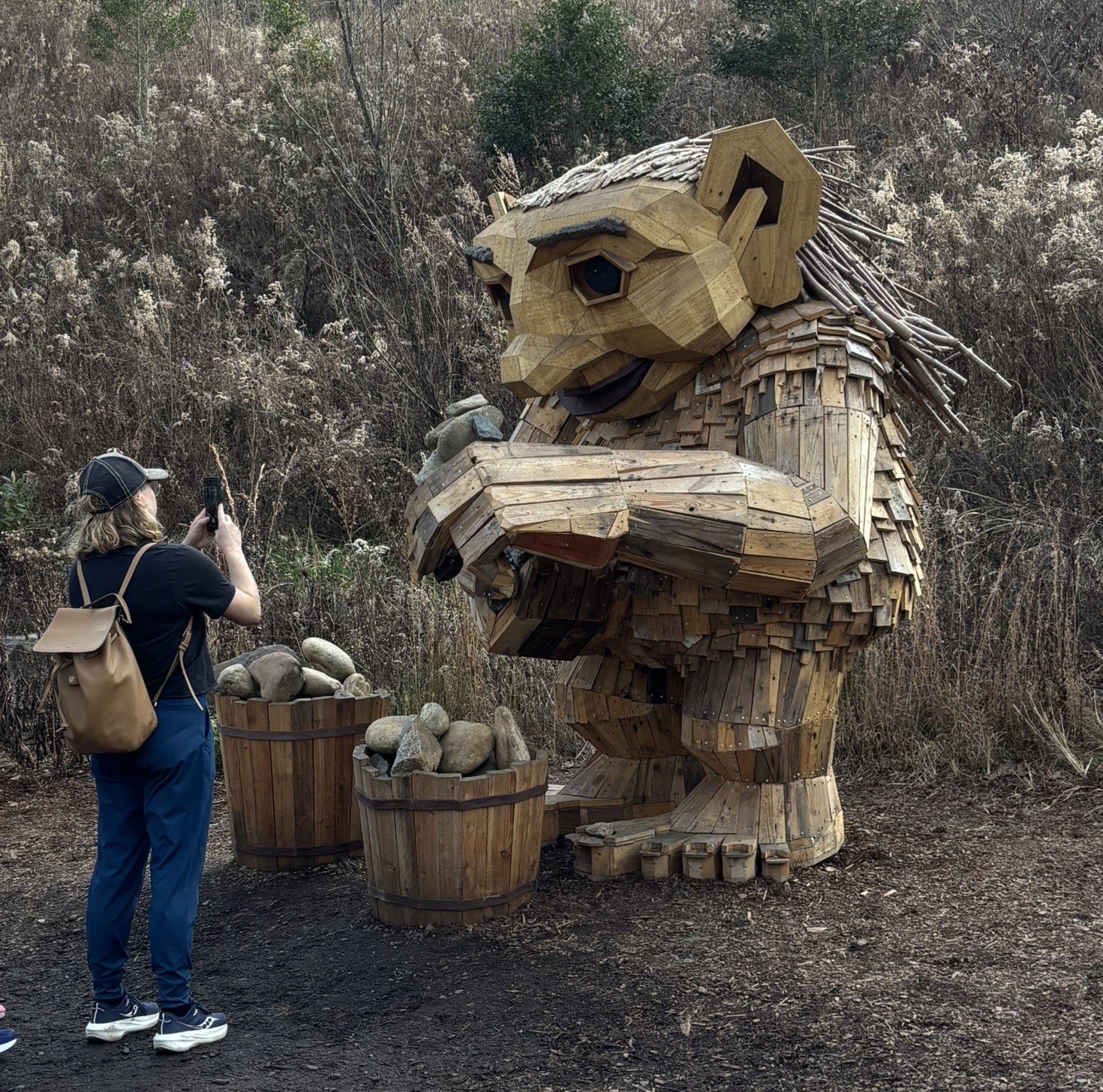
BirchAnja
People had a lot of fun trying to build cairns on her hands with the stones in her buckets.
And I missed Larke. We were so focused on going down the hill to see Anja, we didn’t look to our right to spot her. If I get back over there to see them with my cousin, I’ll add her to the post.