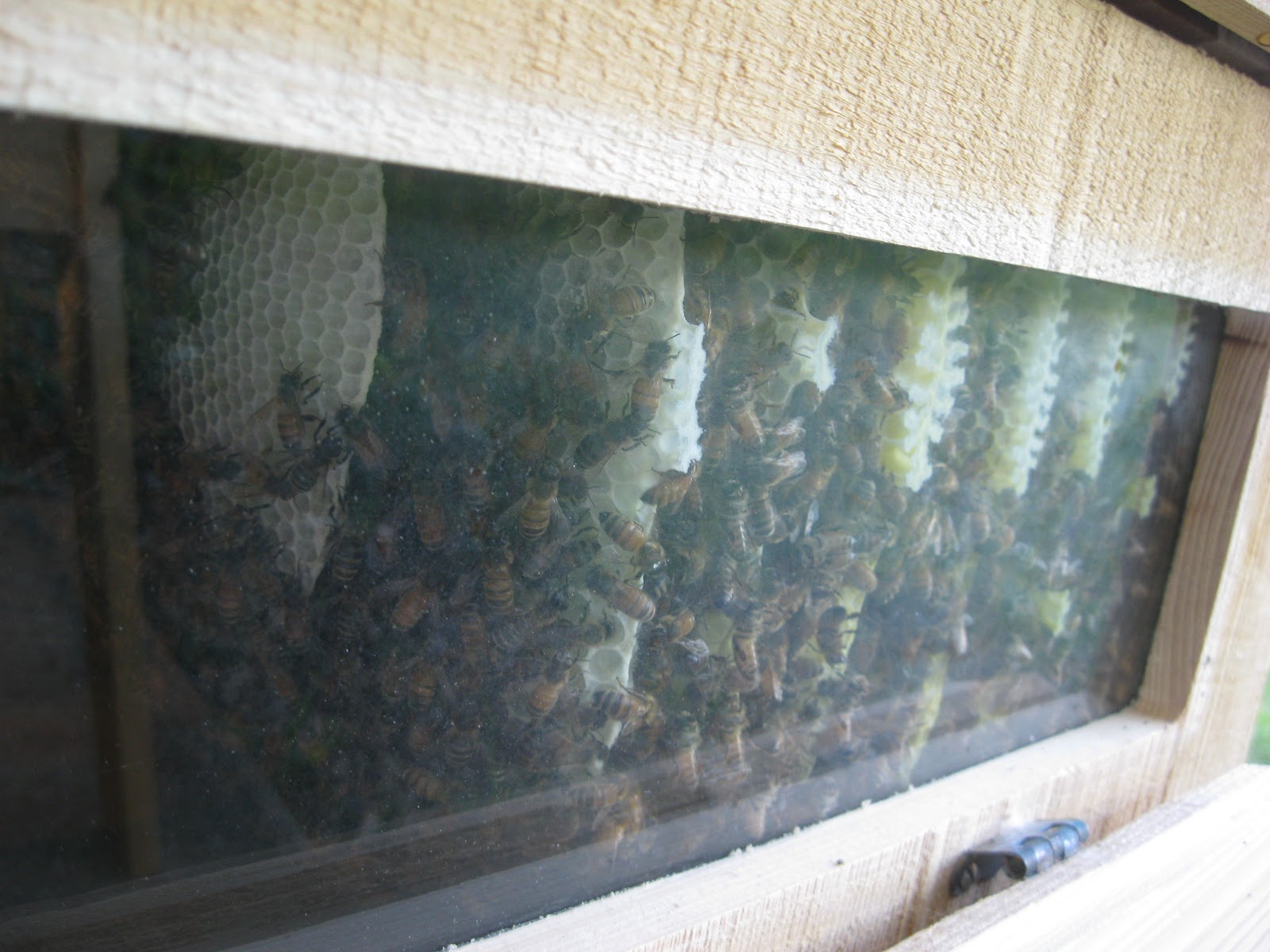
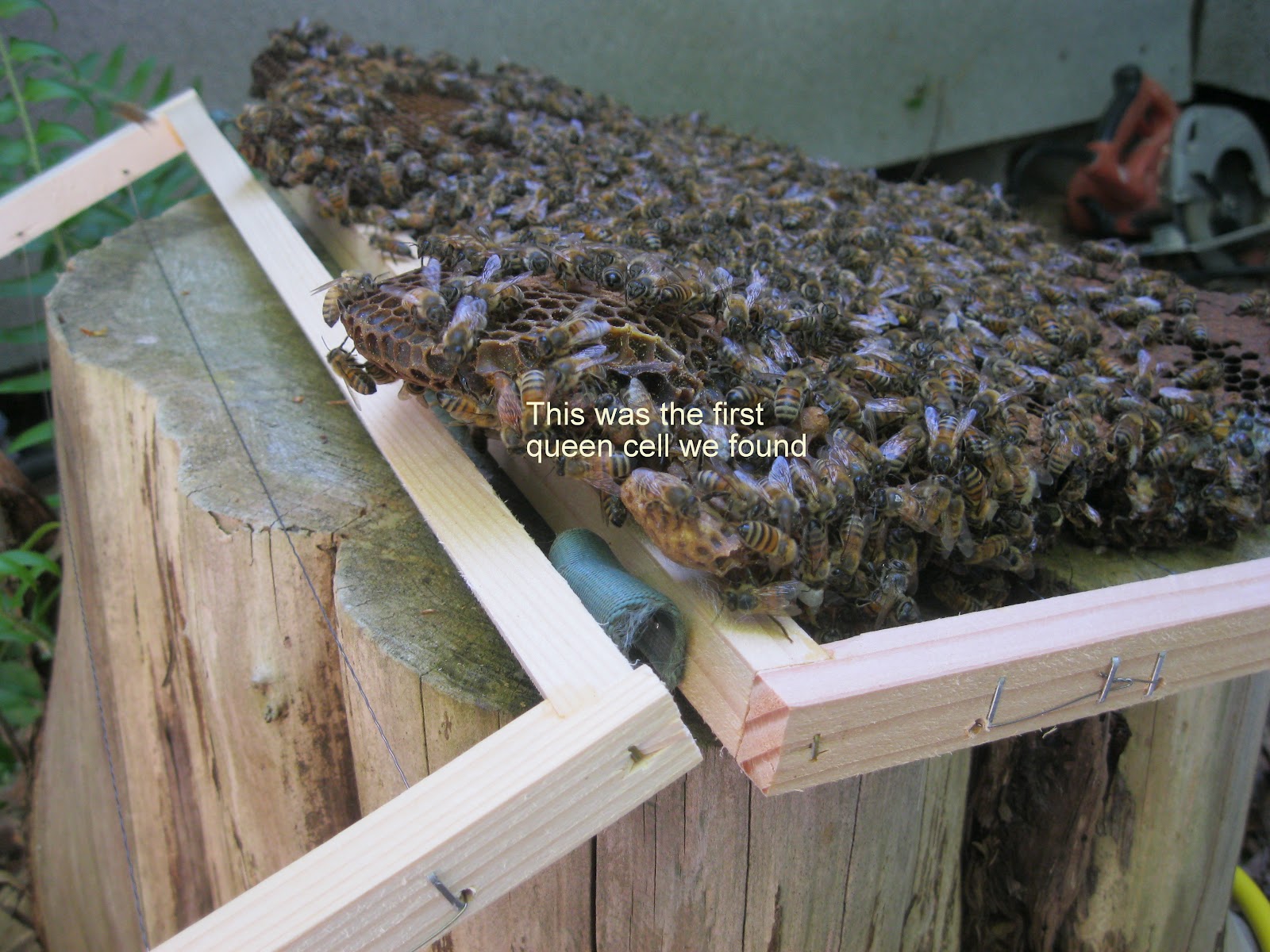
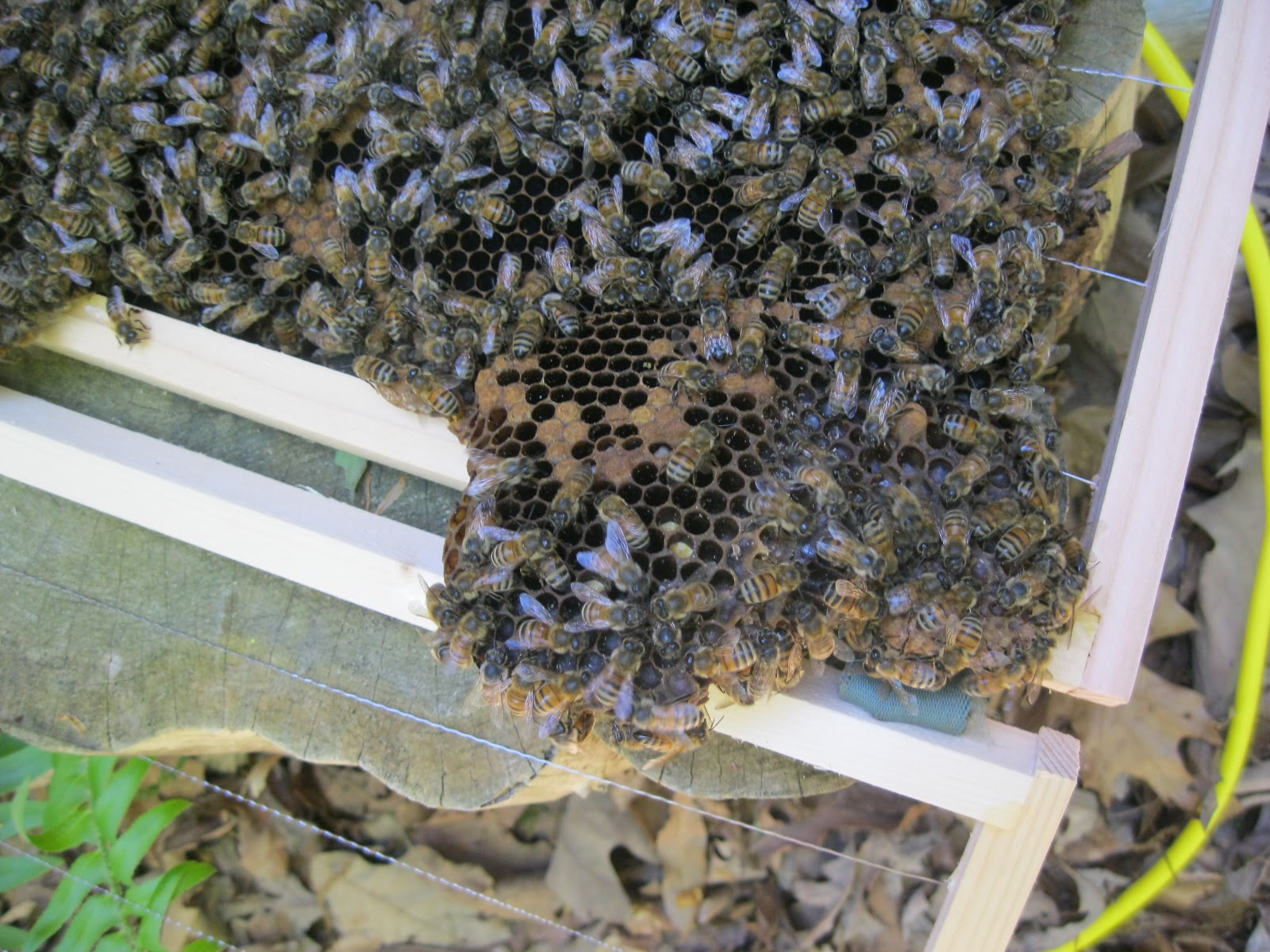
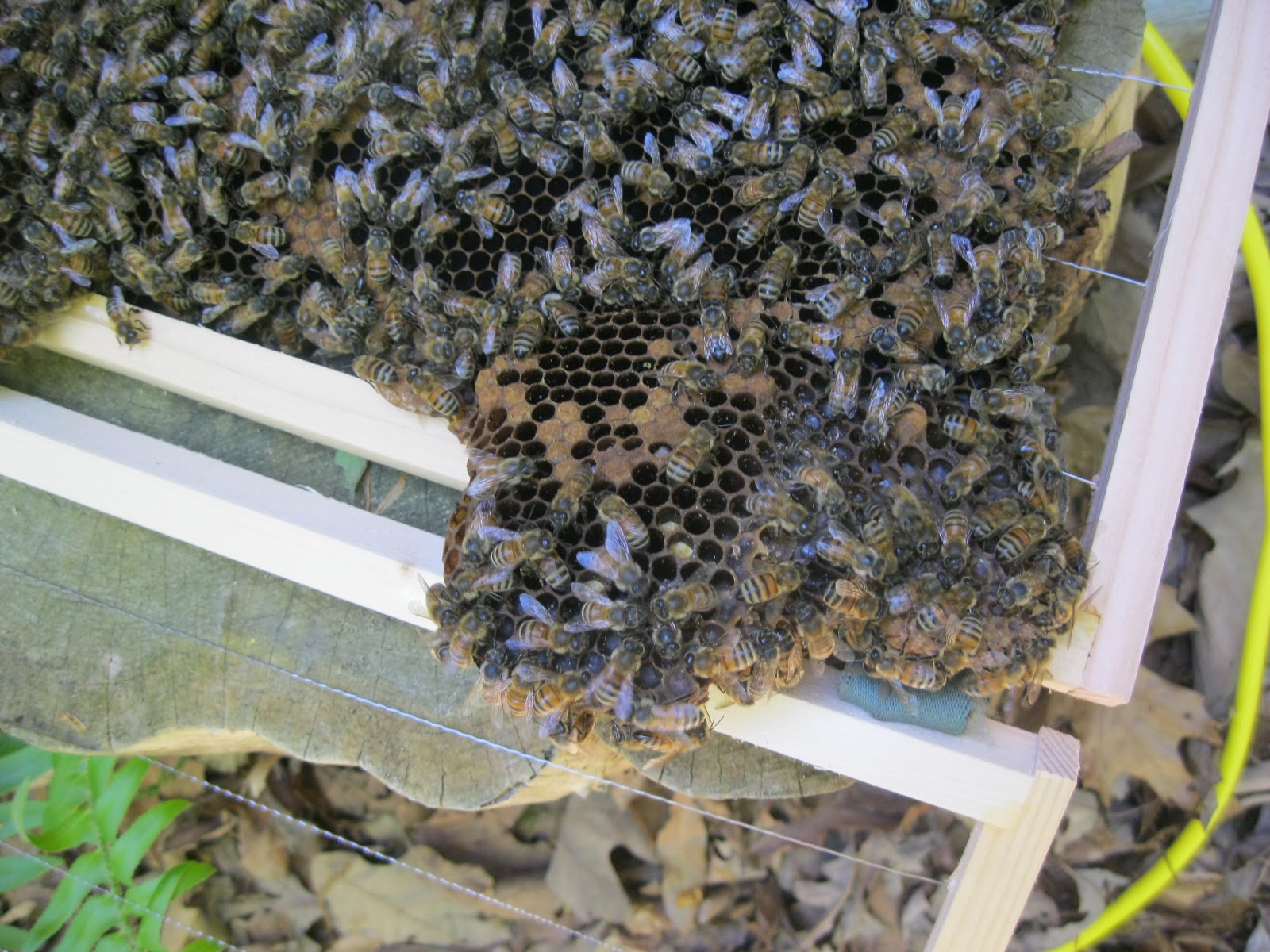
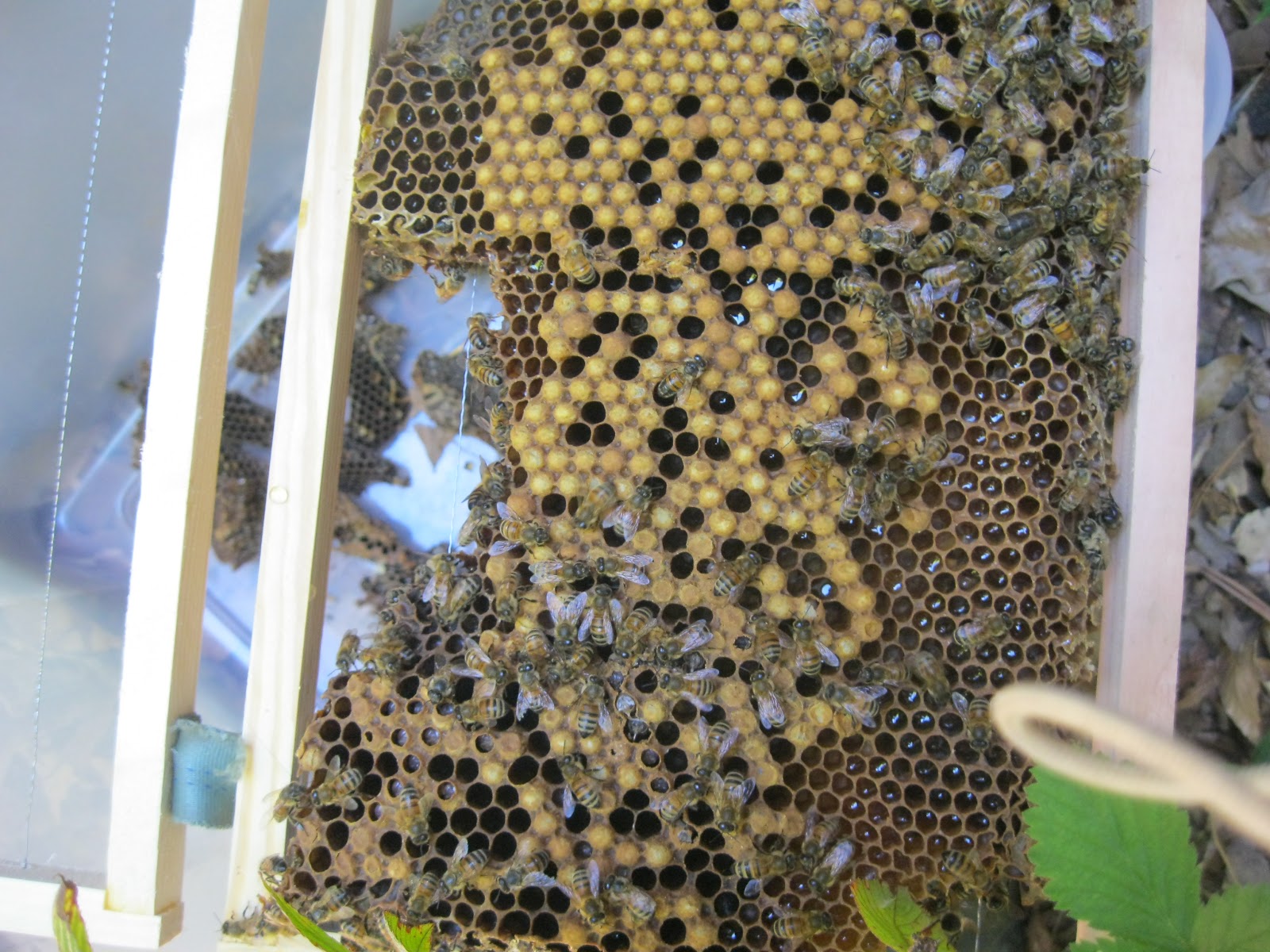
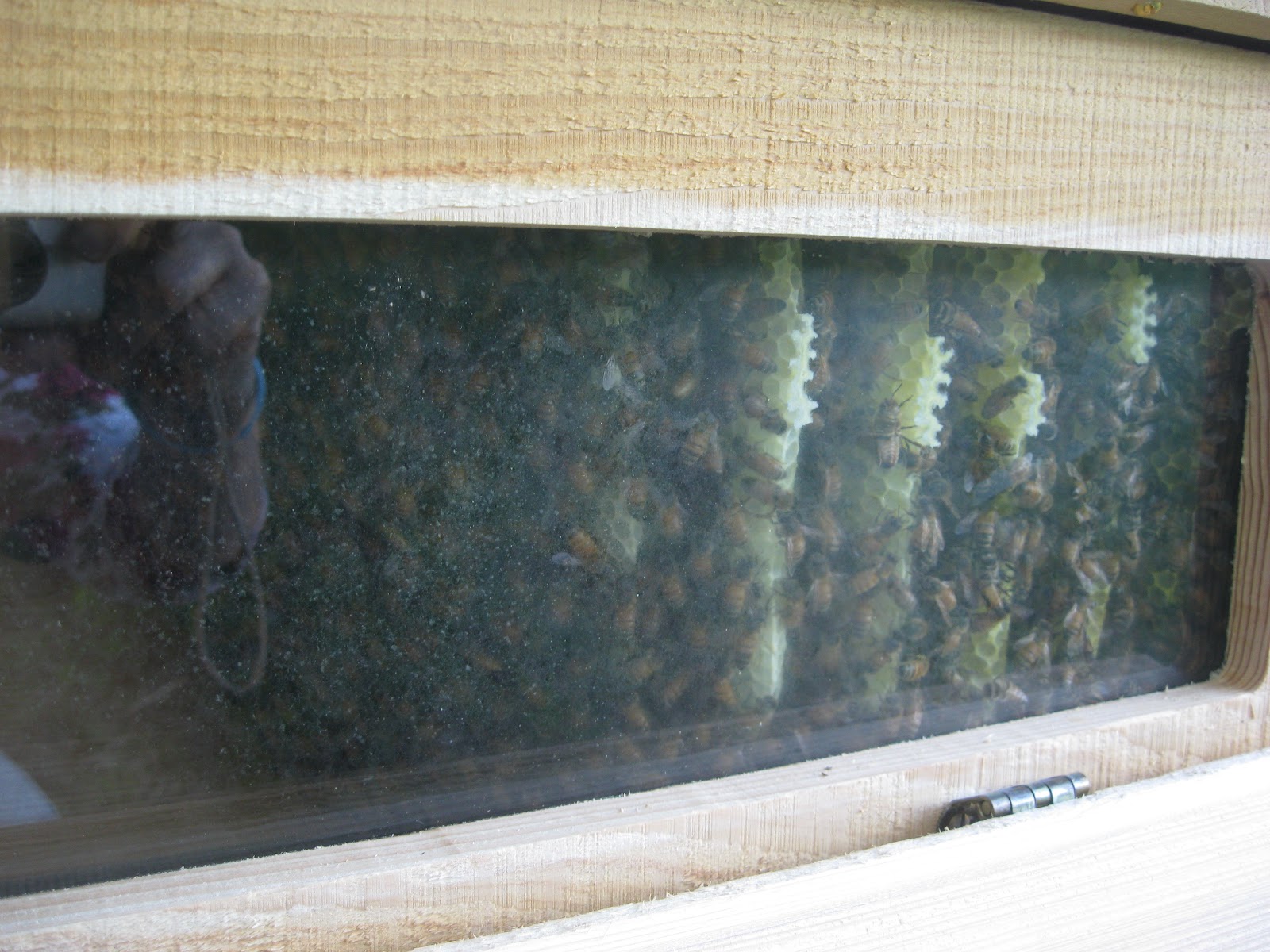
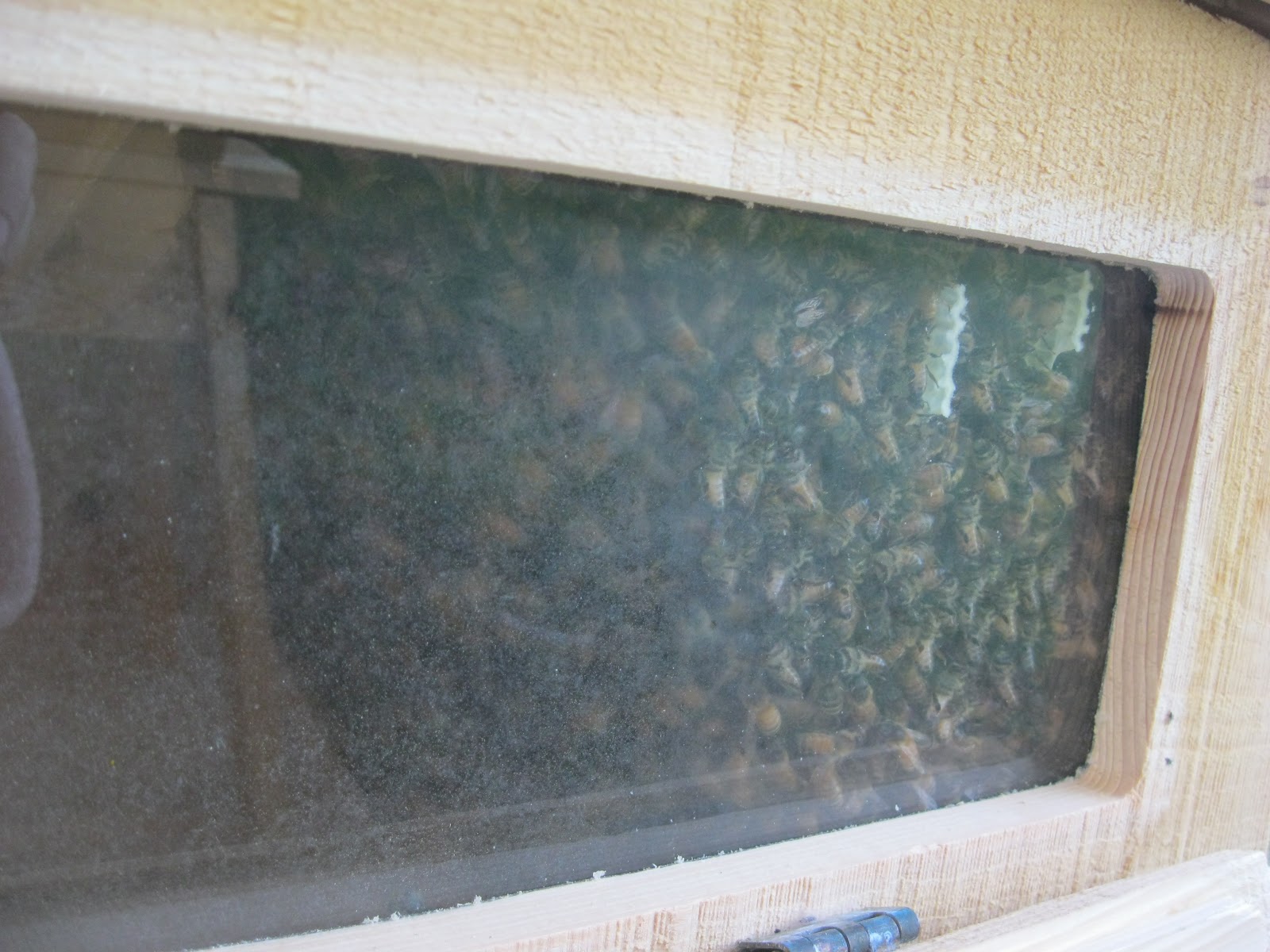
I moved the backboards to the ends of the hives and took out the syrup jars they’ve been ignoring this morning. Both have baby combs on bar 9.
Category: a day in this life
-
Lucretia is catching upto RosamundThe ratio of bees to comb is finally small enough that you can see what they’ve been doing.Since the tulip poplars started blooming last week, they have nearly quit taking the sugar syrup and the wax has been flying as they build like mad.7 comments on Three weeks growth
-
Sometimes you just have to let go. I knew the day was coming that I would need to move on from kale and make room for the summer stuff. The greens have been very successful and I was prideful. They went to flower, so I left them a bit longer to see if the bees…yes, there they are again…would like to work them a bit. Today was harvest day and none to soon. The Red Russian was starting to get a bit limp. Reminds me of Randy & Meg’s bumper sticker, “Eat More Kale”. Well we are.
This is what the bed looked like after the harvest. I have planted some summer squash and okra that I started in flats. Another lesson learned. Use better starting mixture in the flats. Got as many weeds as edible stuff. Going to start more seeds in the beds to make up for it.
Fava beans and peas are doing fine.
Was hoping to catch some of Kitty’s girls on the cherry tree, but…
they were too busy at the old watering hole.
-
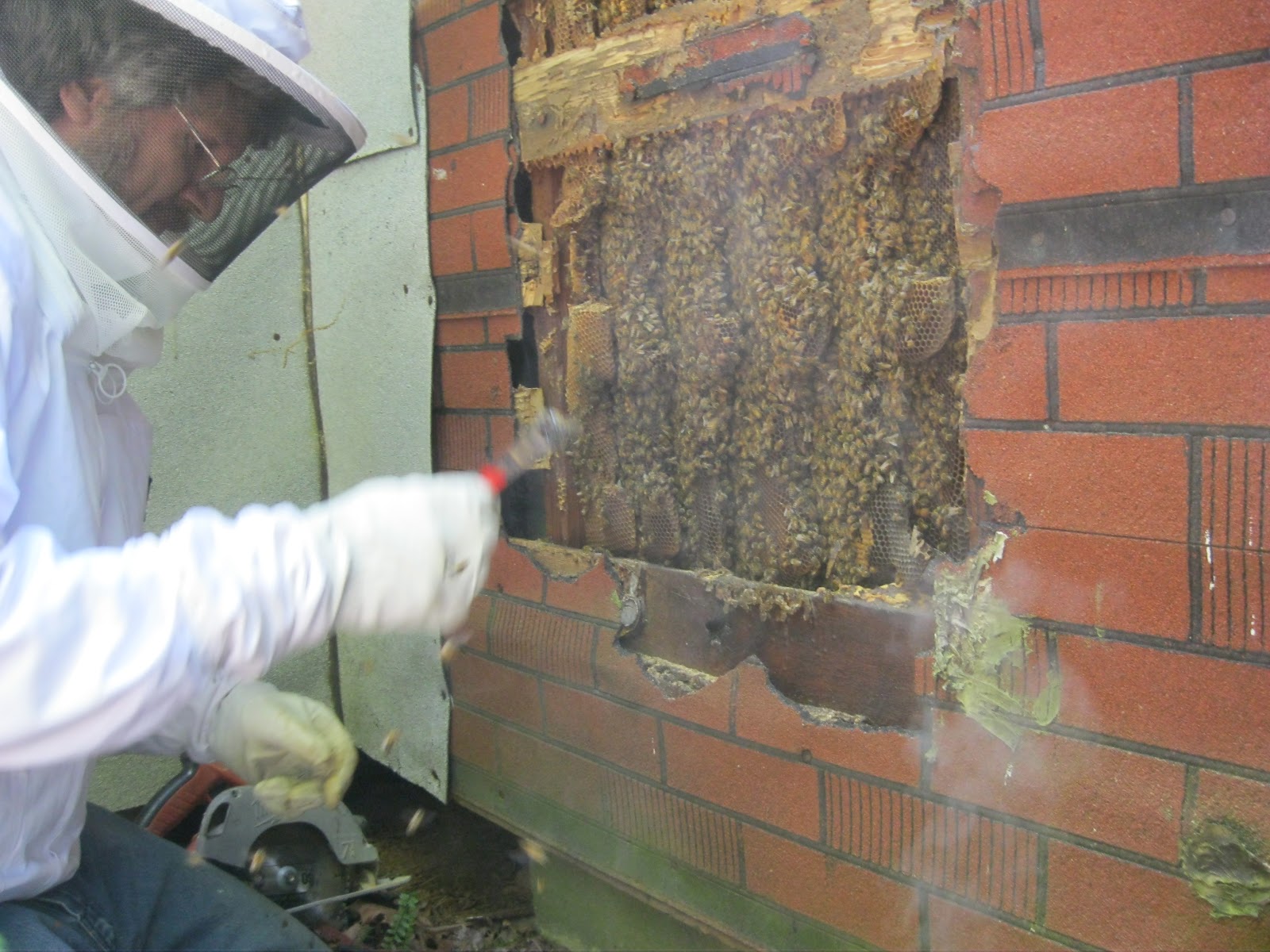
They didn’t get grumpy until we were taking the second comb out. They were surprisingly patient as we got started. And by the end, we were too busy to pay attention to their temper tantrums. We even let the smoker go out and forgot all about it. Never saw a queen, but Randy has at least 3 queen cells in the frames.
I only got stung 2.5 times. The half was through my jeans and I didn’t feel it as much as the 2 through my gloves.
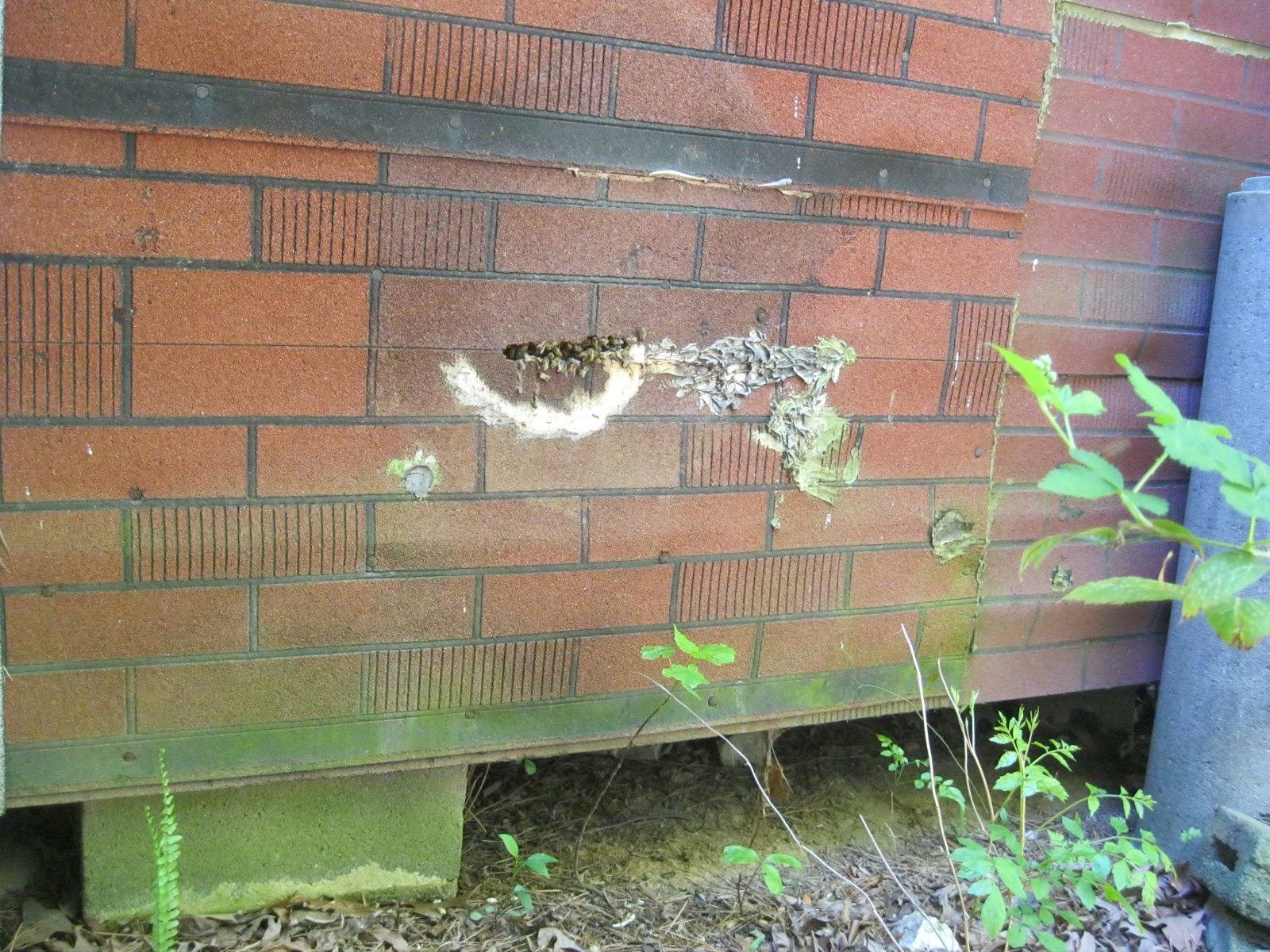
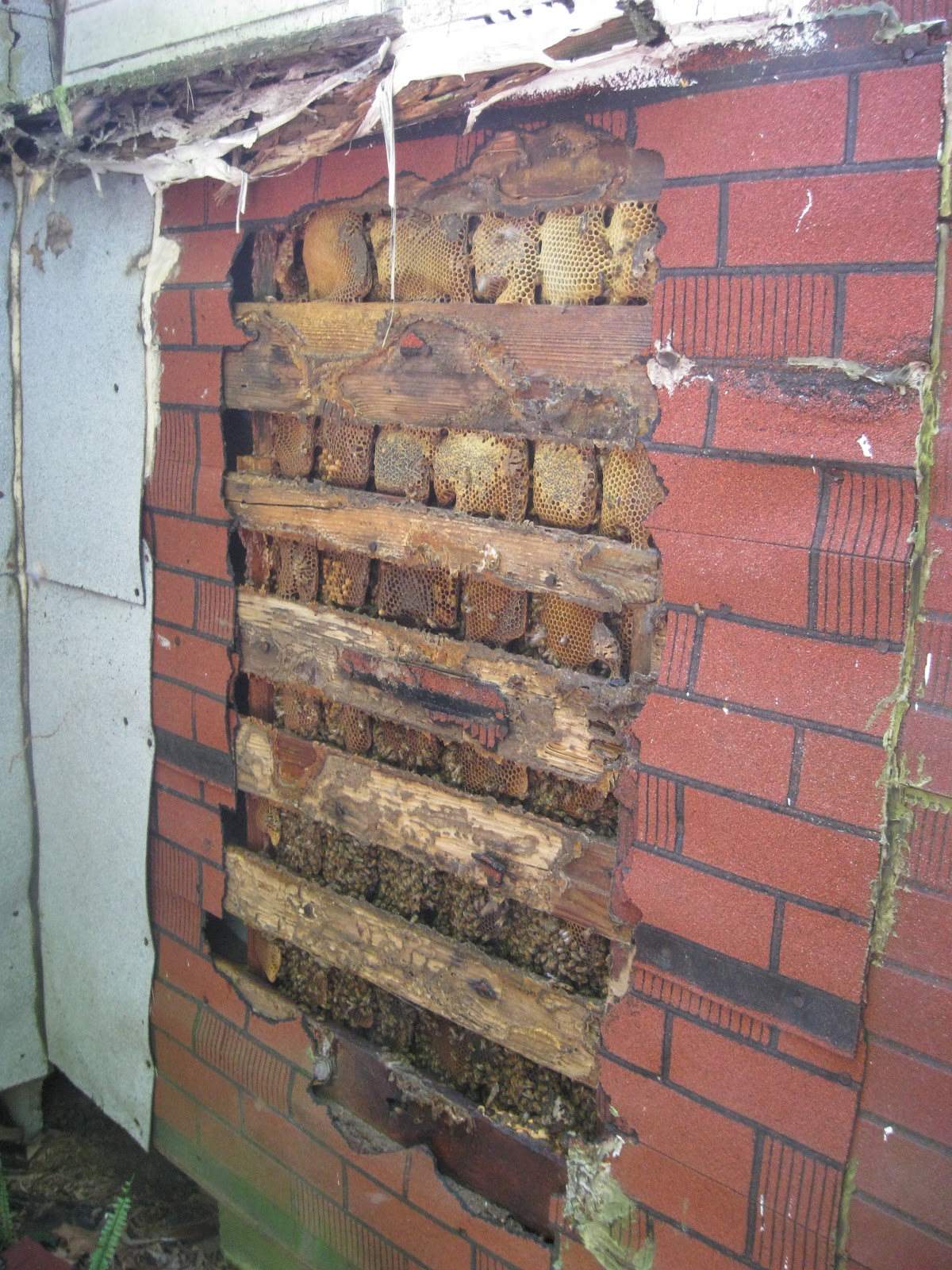
This is what it looked like before we started on it
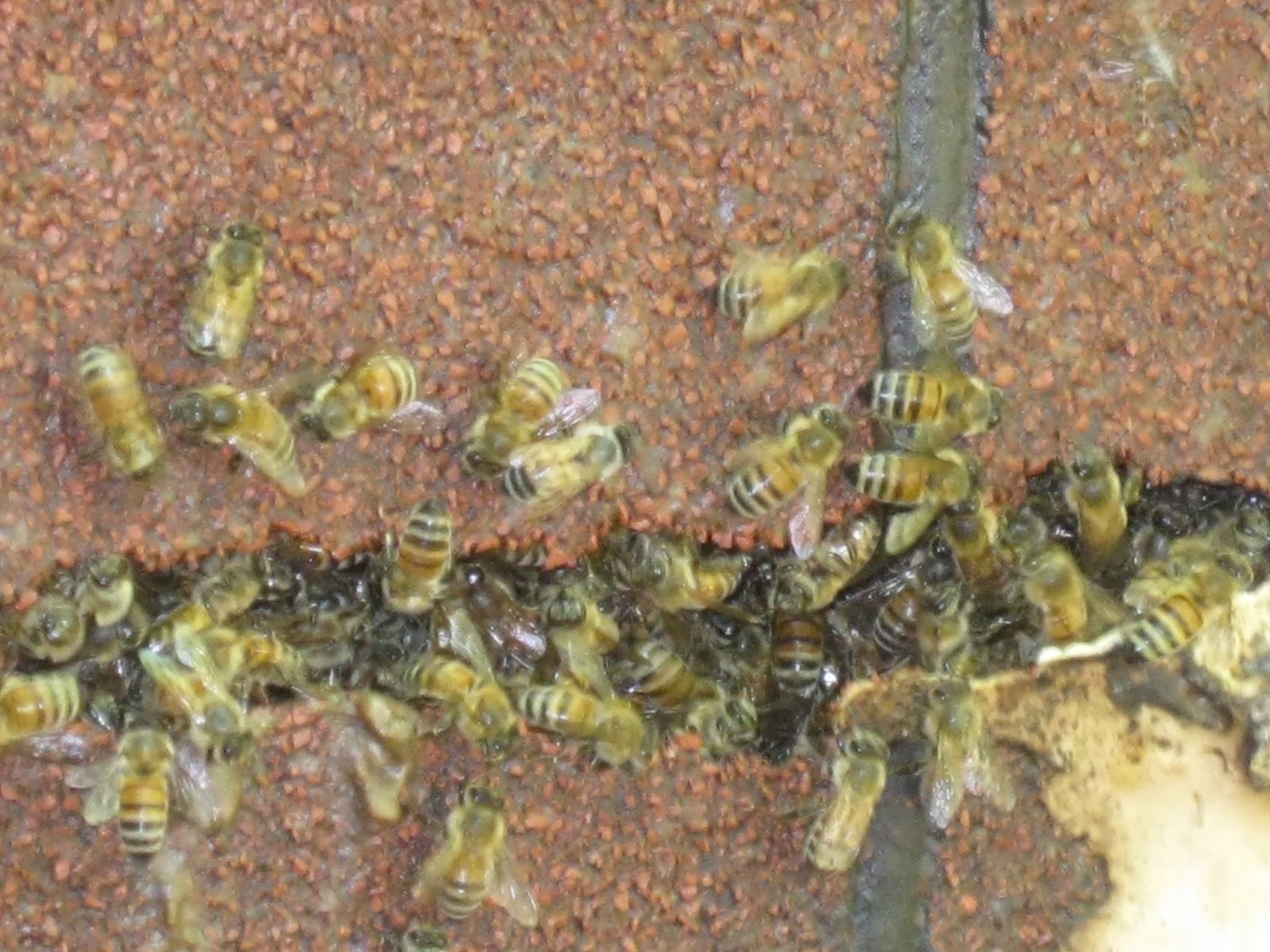
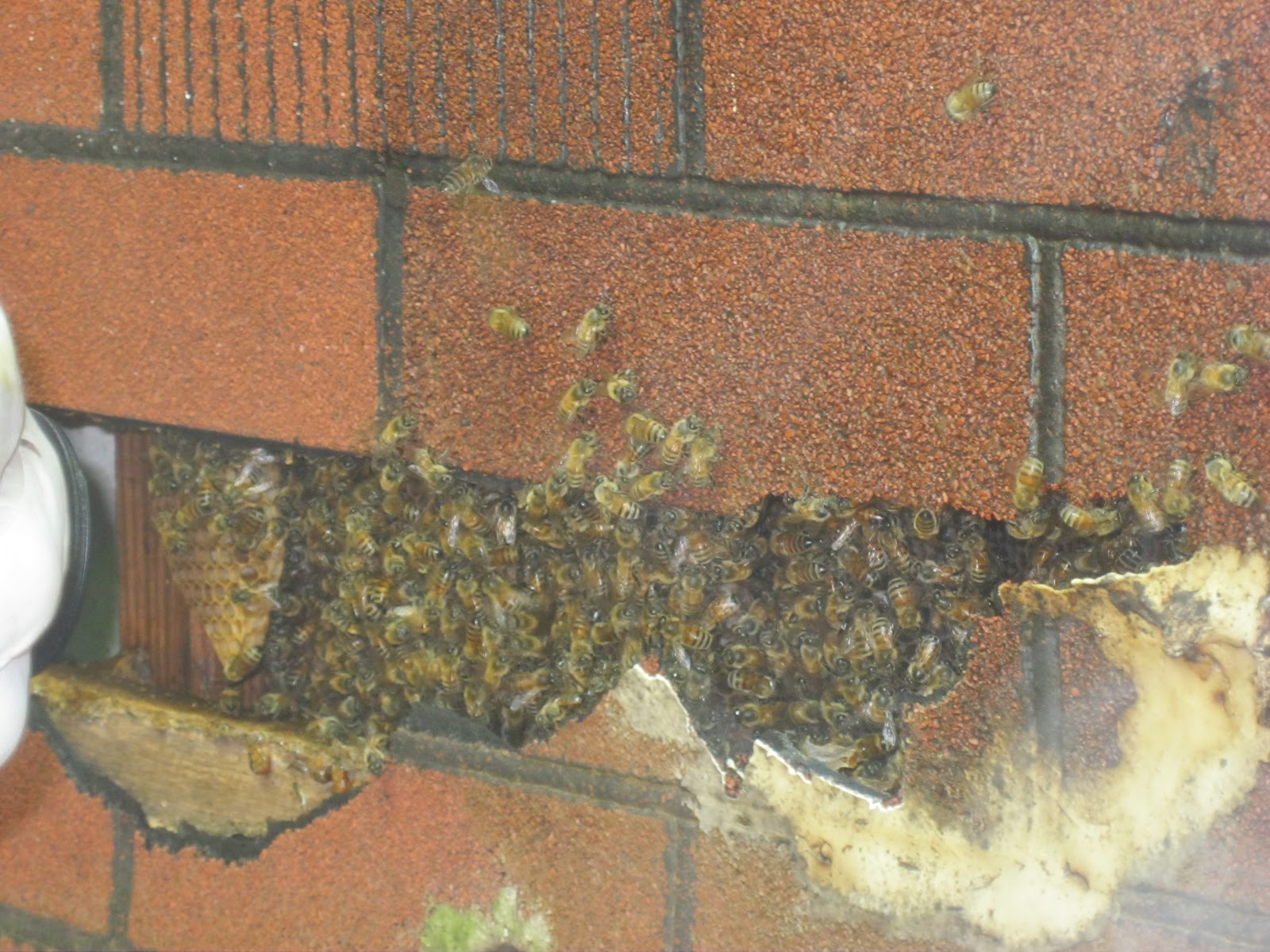
And there were a LOT of bees using that opening.
This is the “undamaged” wall.
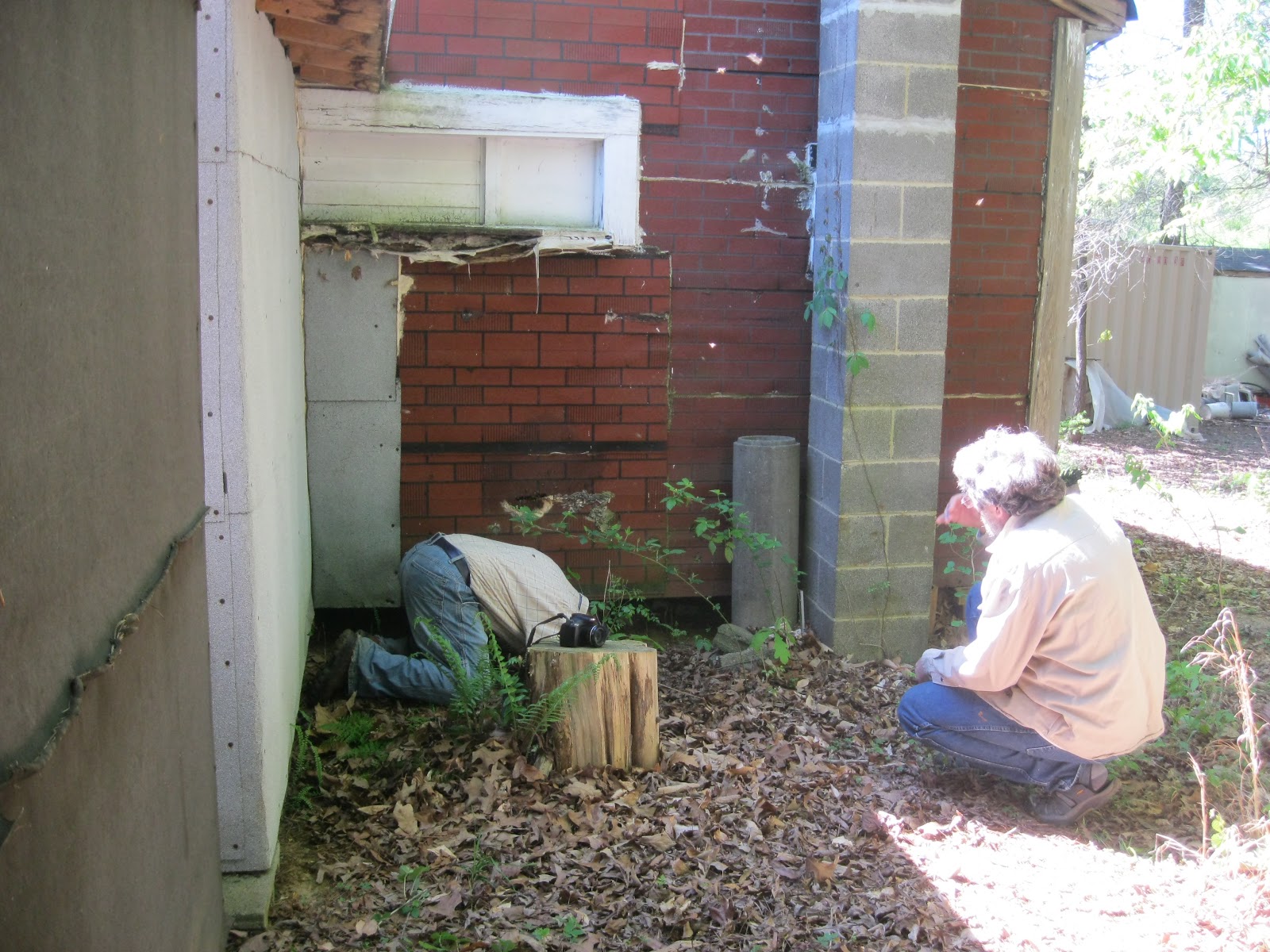
Chris trying to see where the bottom is while Randy watches.
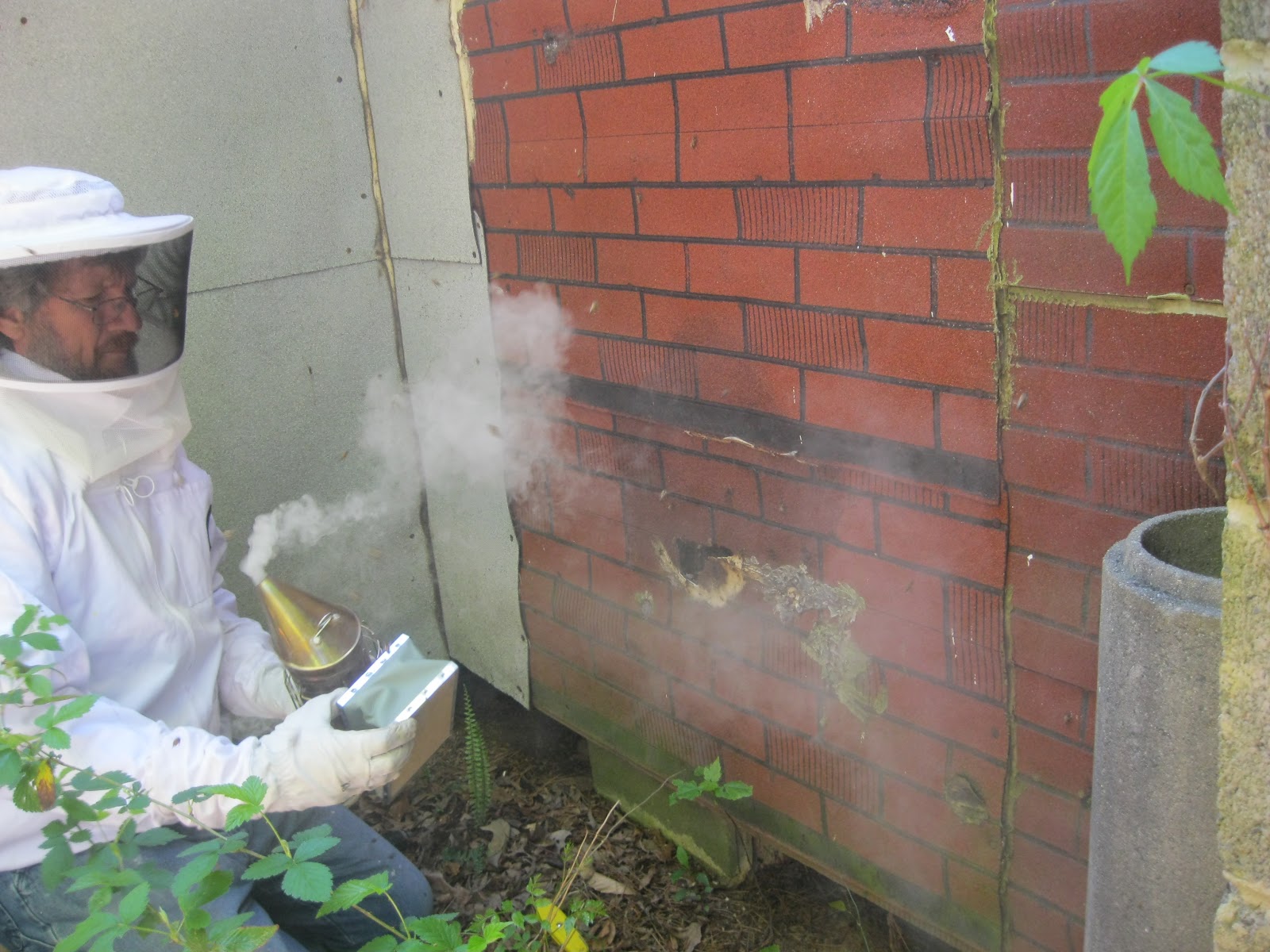
Randy starting up the smoker
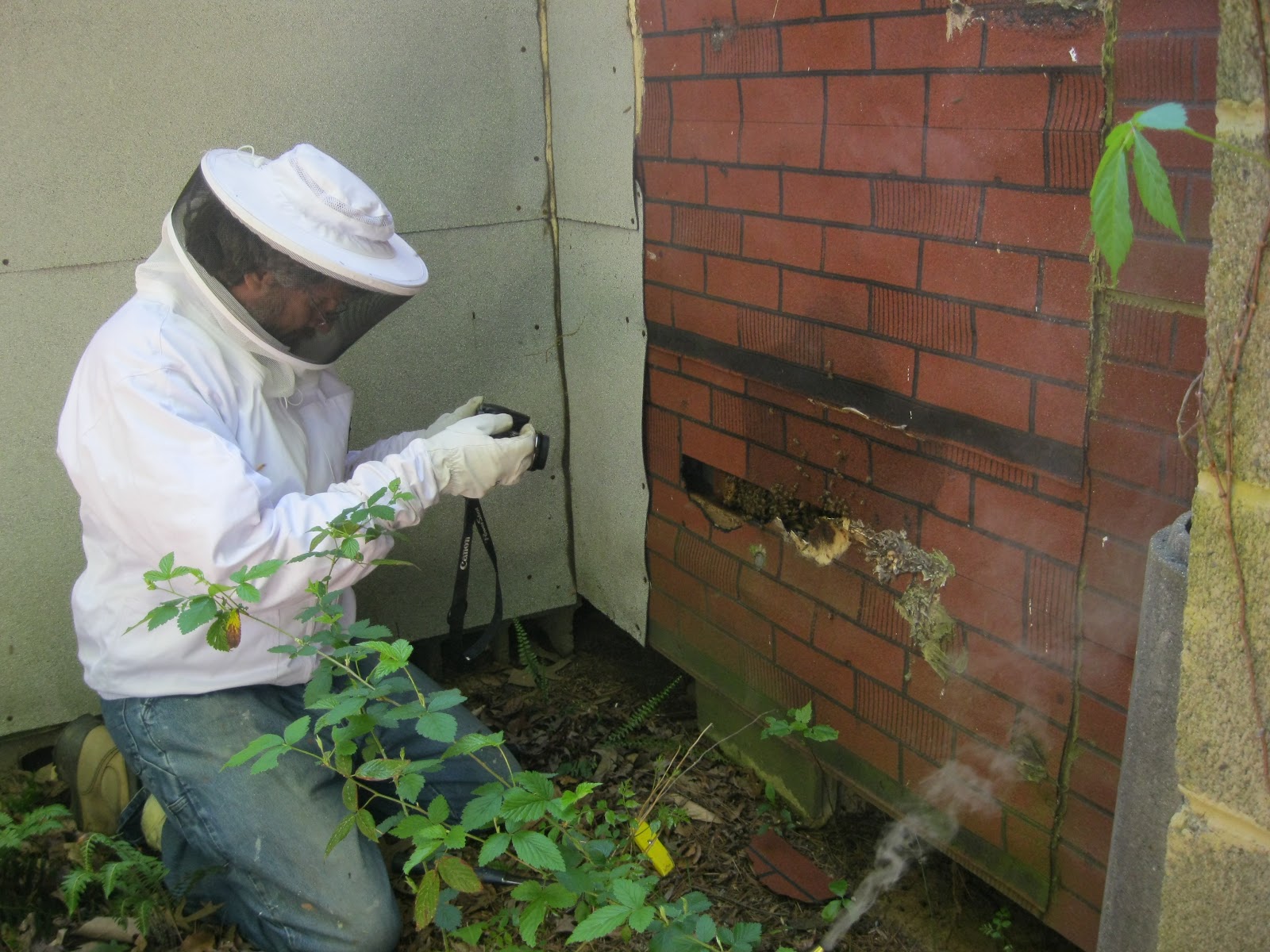
And taking a Before picture
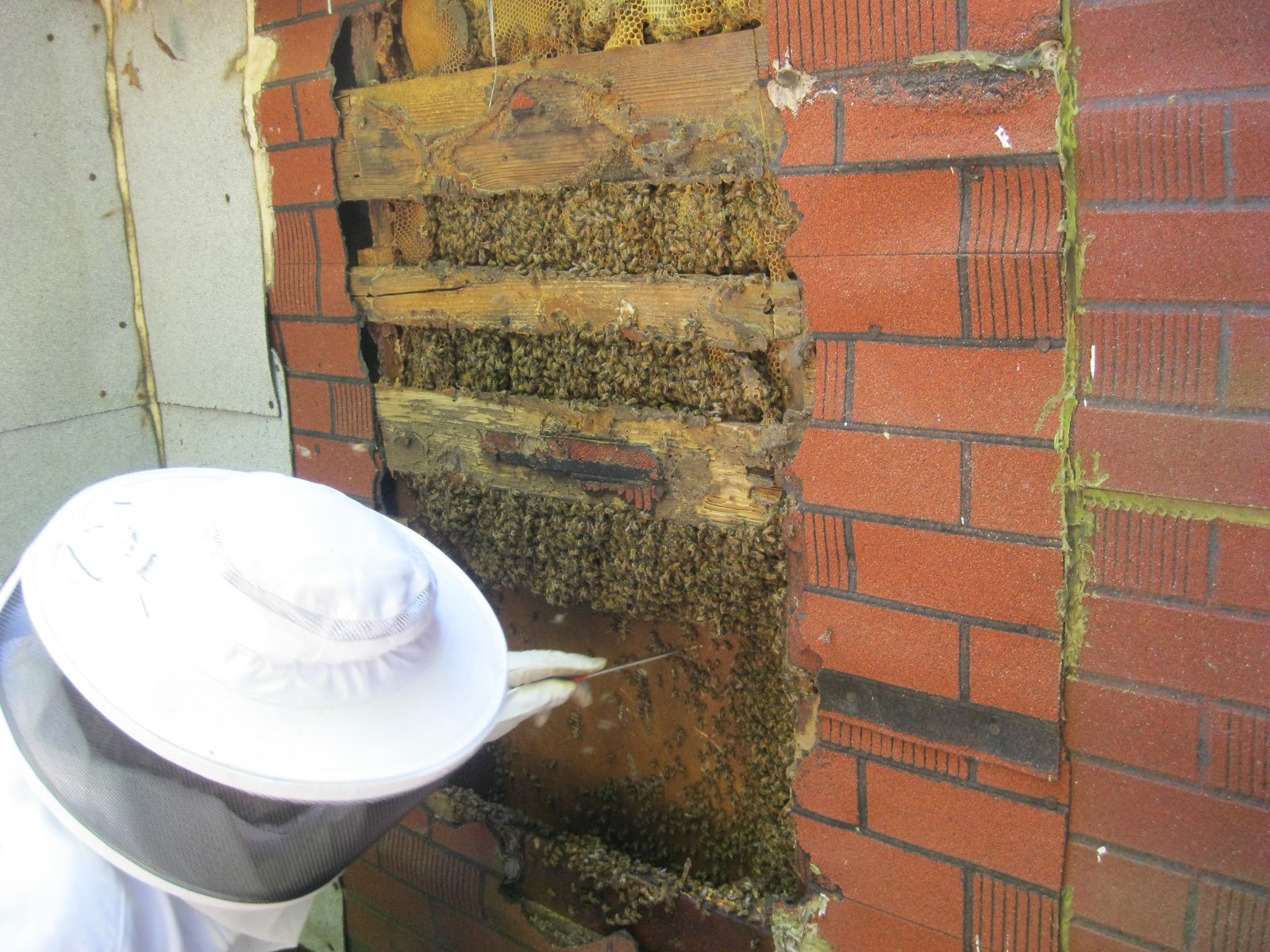
Starting to get in it.
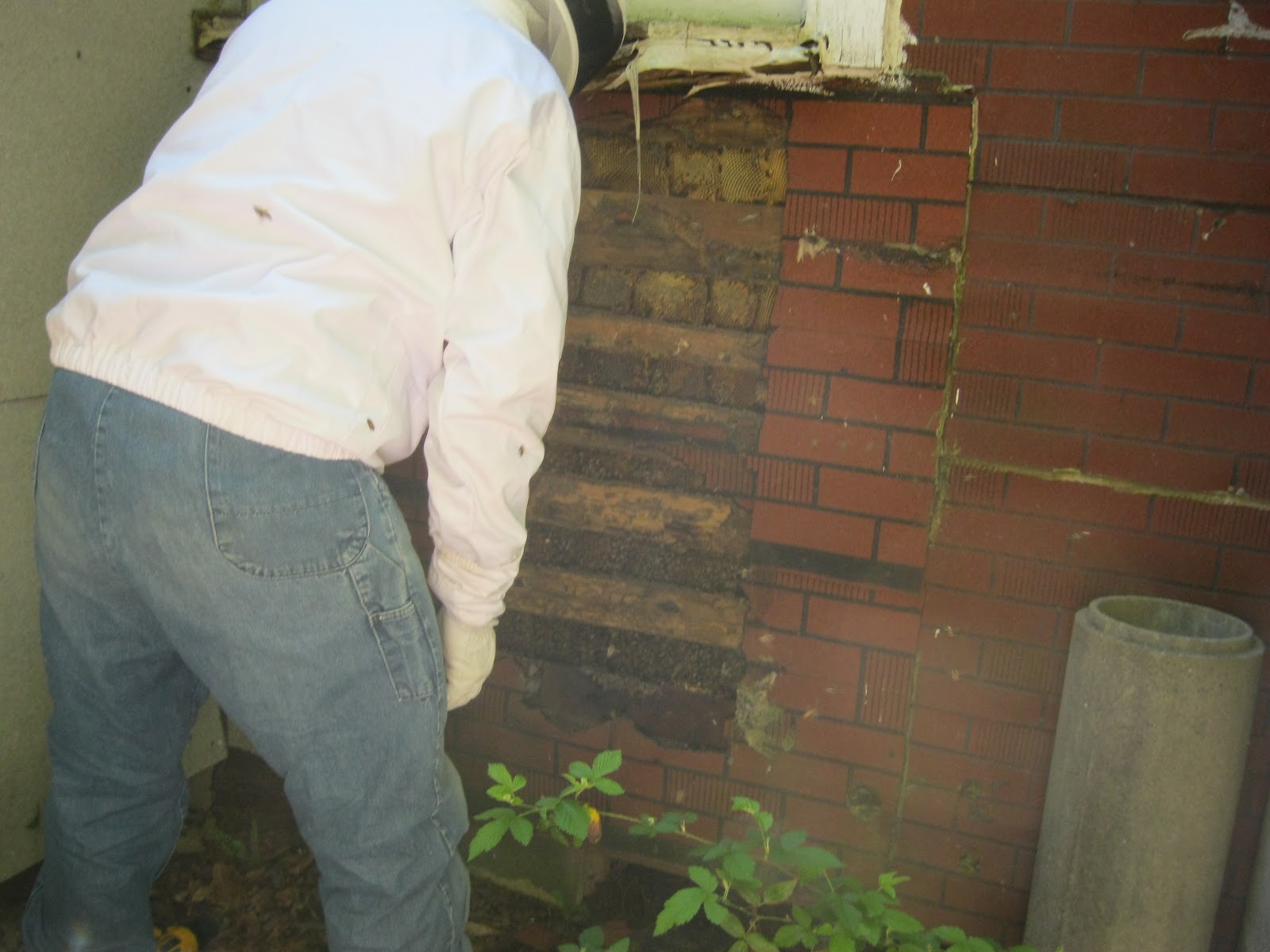
We think this is all of it
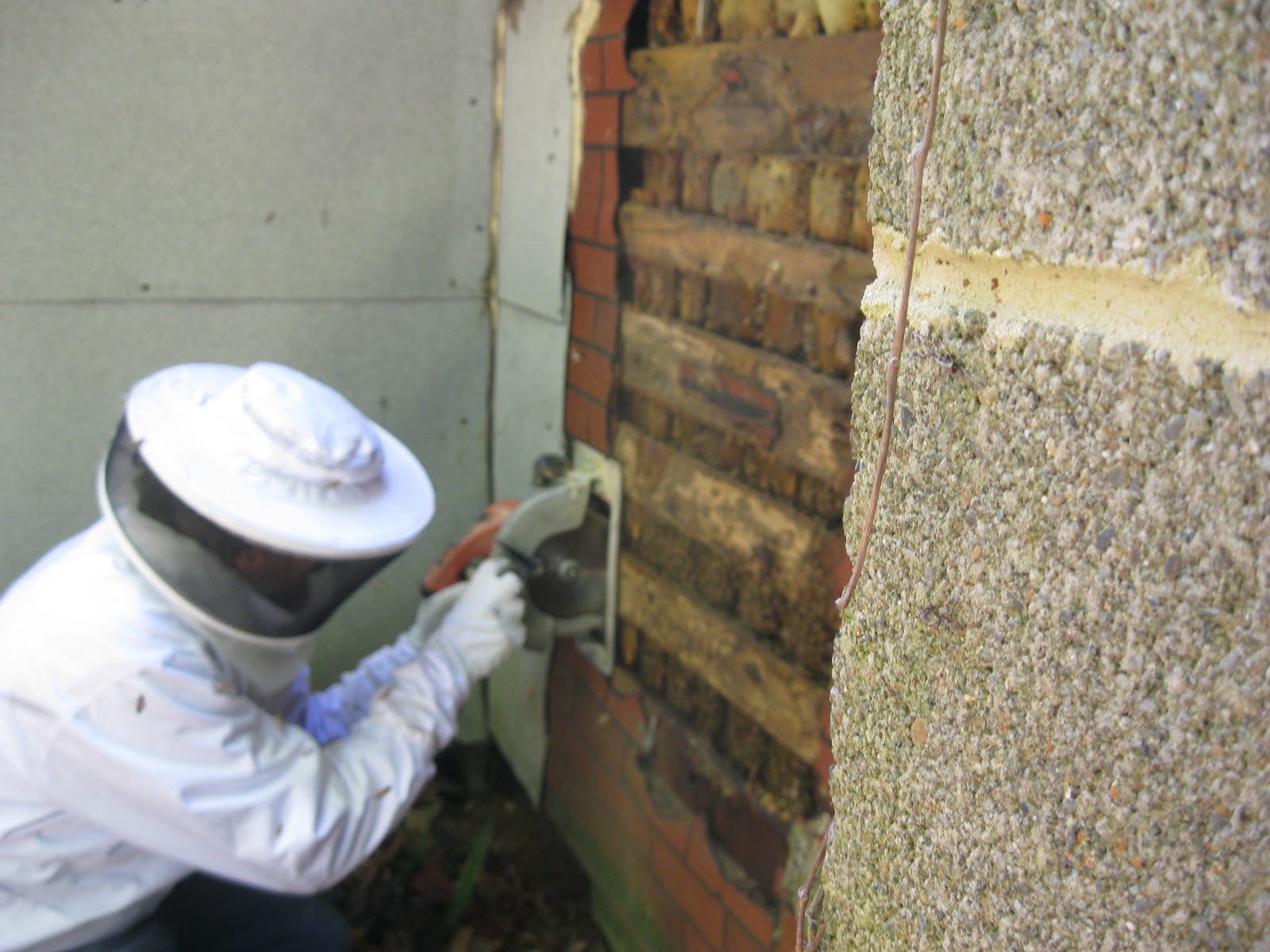
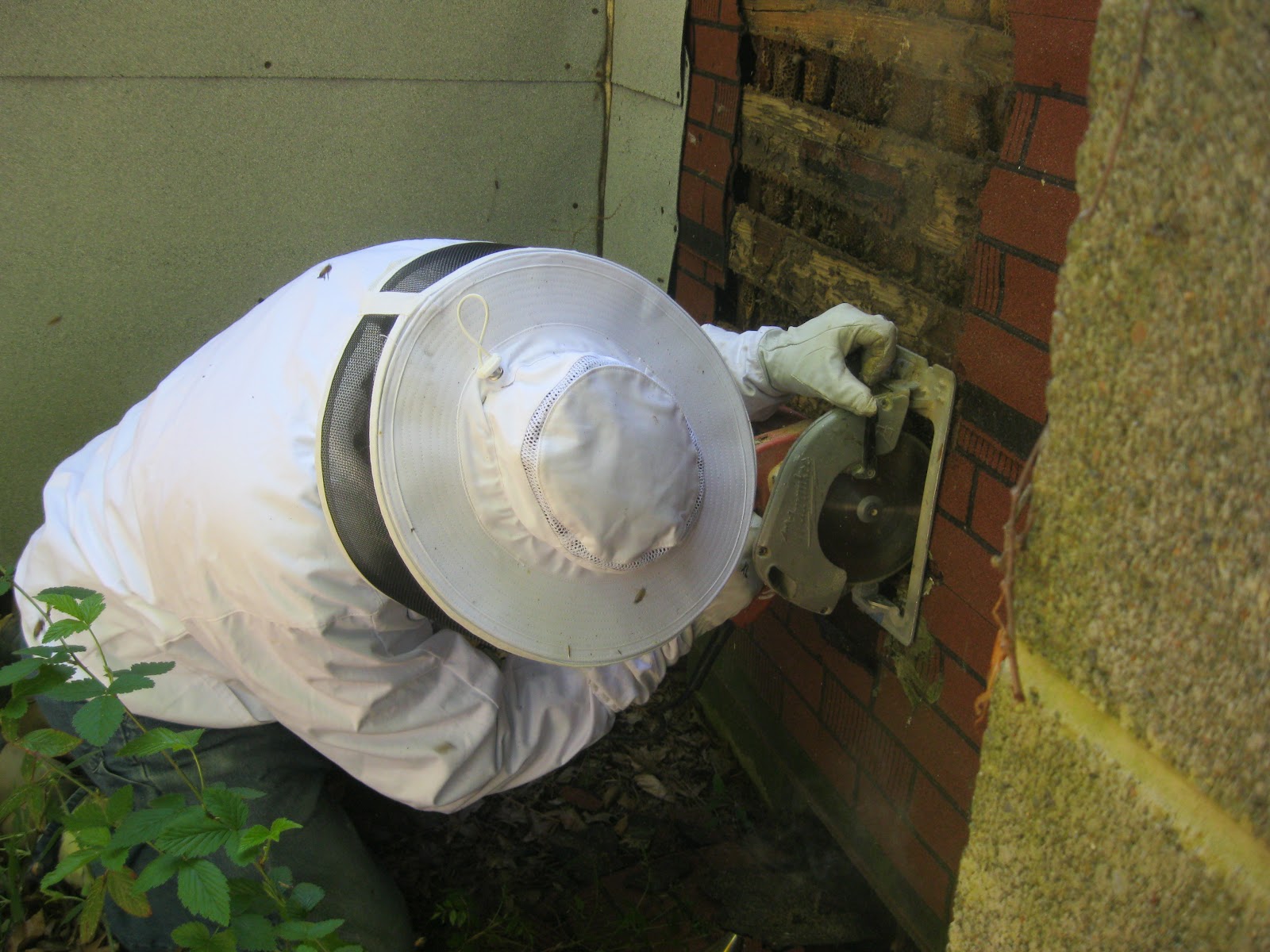
Randy starting to cut
out the first board.
And take it off
Removing the first comb
He has ingenious frames that hold the feral comb.
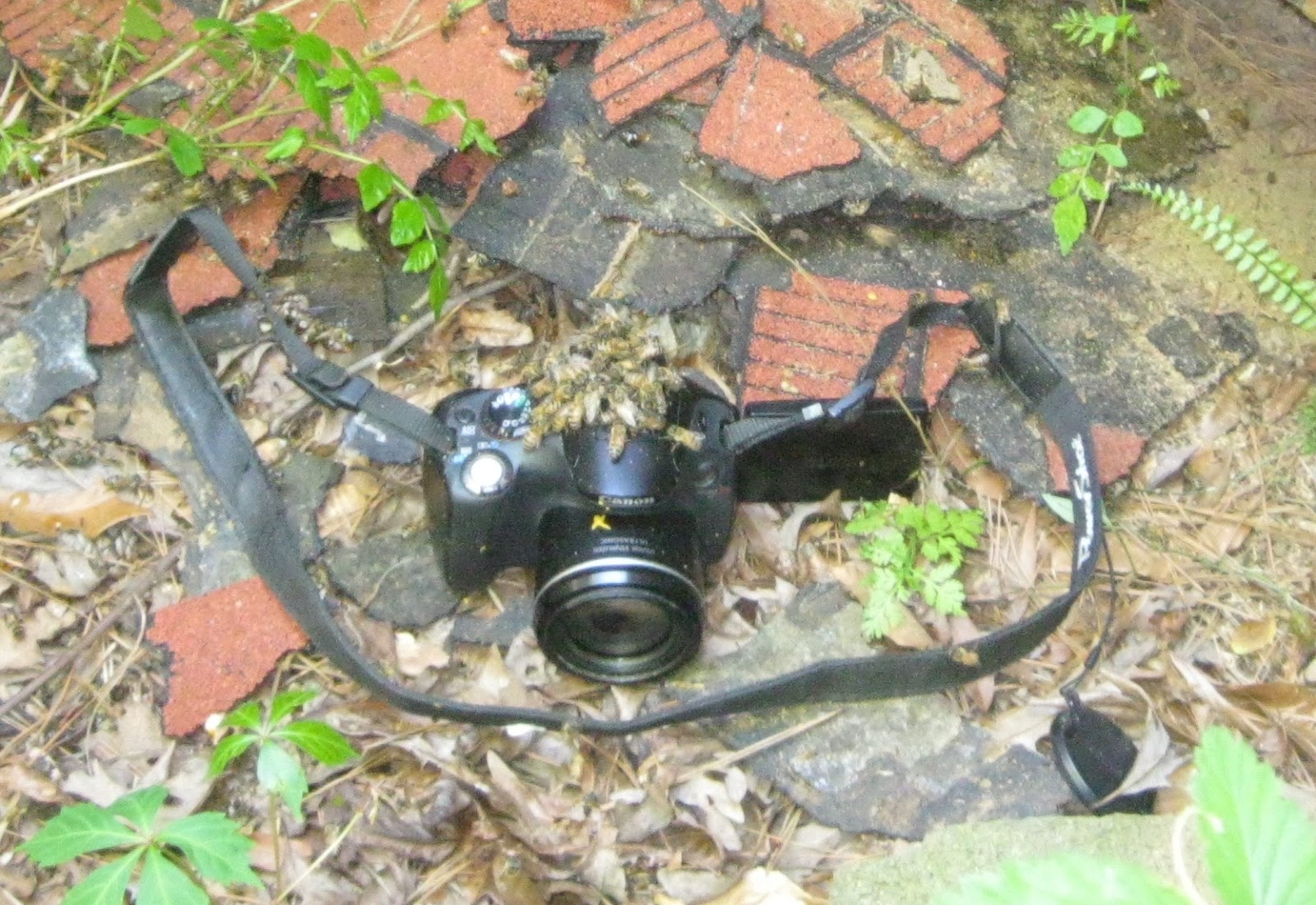
The bees cleaned all the honey he got on his camera off for him before we left.
And there was a LOT of honey. Besides this for Randy, some went to the woman who wanted the colony removed, some went to the helper (ME!!!) and some went to the neighbor who showed up with a pot to carry it in.
This is the hole after we took out as much comb and bees as we could.
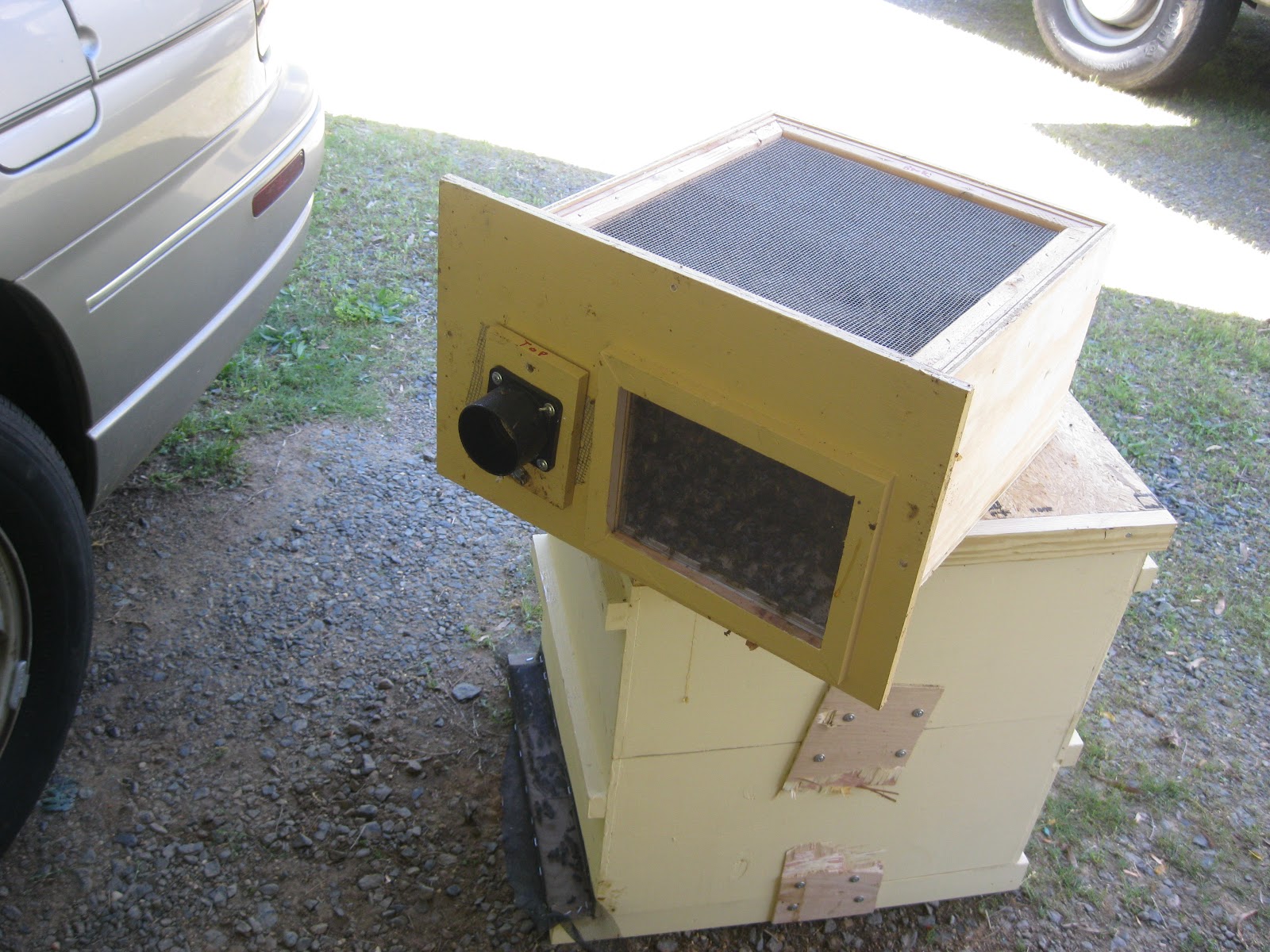
Randy took 2 boxes of comb with brood, pollen, honey and at least 3 queen cells back to his bee yard. Plus a couple of packages of bees in the vacuum box.
Feral comb honey for my mother.
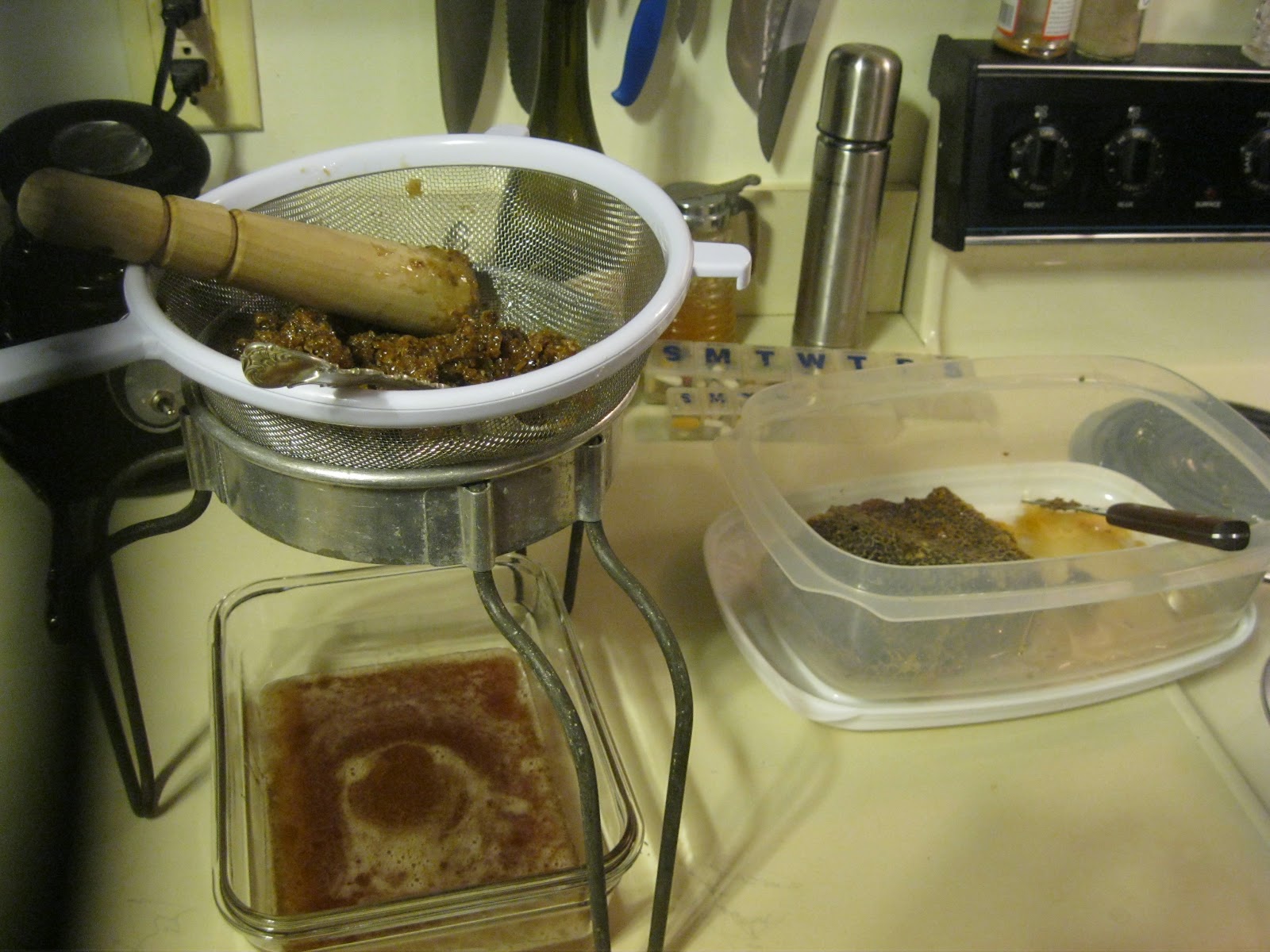
Plus our high tech honey extraction system.
And here is Randy’s take on the whole thing 🙂 There is a link to his blog in our sidebar. Randy and Meg’s Garden Paradise.
-
If we are interested in helping to rescue breeds that are considered Critical by the American Livestock Breeds Conservancy, these appear to be the best choices for our situation, imvho:
Hollands have earned a good reputation as being ideally suited to farm conditions. They are good foragers with calm temperaments. The breed is fairly cold tolerant, though during periods of extreme cold the males may suffer some frostbite to their single combs. The hens can become broody and will sometimes raise their own offspring. Hollands also tend to have a slow to moderate growth rate. But this fact must be weighed against their ability to rustle a significant portion of their own food.
Sumatra hens lay an abundant number of white, or lightly tinted, eggs and are considered excellent winter layers. They are also among the best of mothers and broodies. Both adults and chicks are very hardy and easy to raise. Sumatra chickens are active and alert and are especially good at launching themselves vertically to escape dangers.
Threatened chickens of interest to us are Andalusian, Cubalayas, Favorolles, and Lakenvelder. They are more for egg laying than meat.
Getting what is easiest to acquire from Ol’ Mill Hardware is our most likely choice, though.
-
When I checked the syrup status last night, Rosamund had about half a quart and Lucretia had 2/3. I had some syrup left from yesterday’s feeding and added it to Rosamund’s jar this morning. Also, I moved the back board back one bar. It was originally behind bar 10. The cluster is back to bar 7 so they have plenty of free space to move into. Lucretia’s cluster only goes back to 6 and isn’t as full or attached, yet.
(Yes, I changed the name of the Left hive. Starting with L works better for me than saying El. And it’s not like they come when I call.)