
2 comments on It’s really NOT a watermelon
Workers and queens have a really complex arrangement.
Queens are fertilized by several drones in a short period of time. They may make more than one mating flight, but don’t continue mating after that initial frolicsome time when she is young and lithe.
Once she gets situated in a hive, laying eggs, she tends to stay put.
UNLESS, the workers choose to make new queens. They determine when new queens are produced. And the old queen doesn’t get her feelings hurt, because in spite of the language used in beekeeping, bees are communists. The good of the many outweighs everything else for a bee. Even the queen.
Queens have a spermatheca, which is a very specialized organ. It allows her to lay fertilized or unfertilized eggs An odd part of that is that the unfertilized eggs produce males/drones.
Workers determine the size of the cells to build in a comb. They make larger cells if they think they need to produce more drones because, apparently, boy bees need bigger rooms. (They also take longer to develop.) So the queen knows by the size of the cell she is laying in whether to fertilize that egg or not.
All hatched eggs get royal jelly, produced by a gland in the hypopharynx of the workers, for a day. Larvae that are going to be queens get all royal jelly all the time. Drones and workers get switched to honey and pollen after that first day. All that royal jelly causes the queens’ ovaries to develop into functional organs.
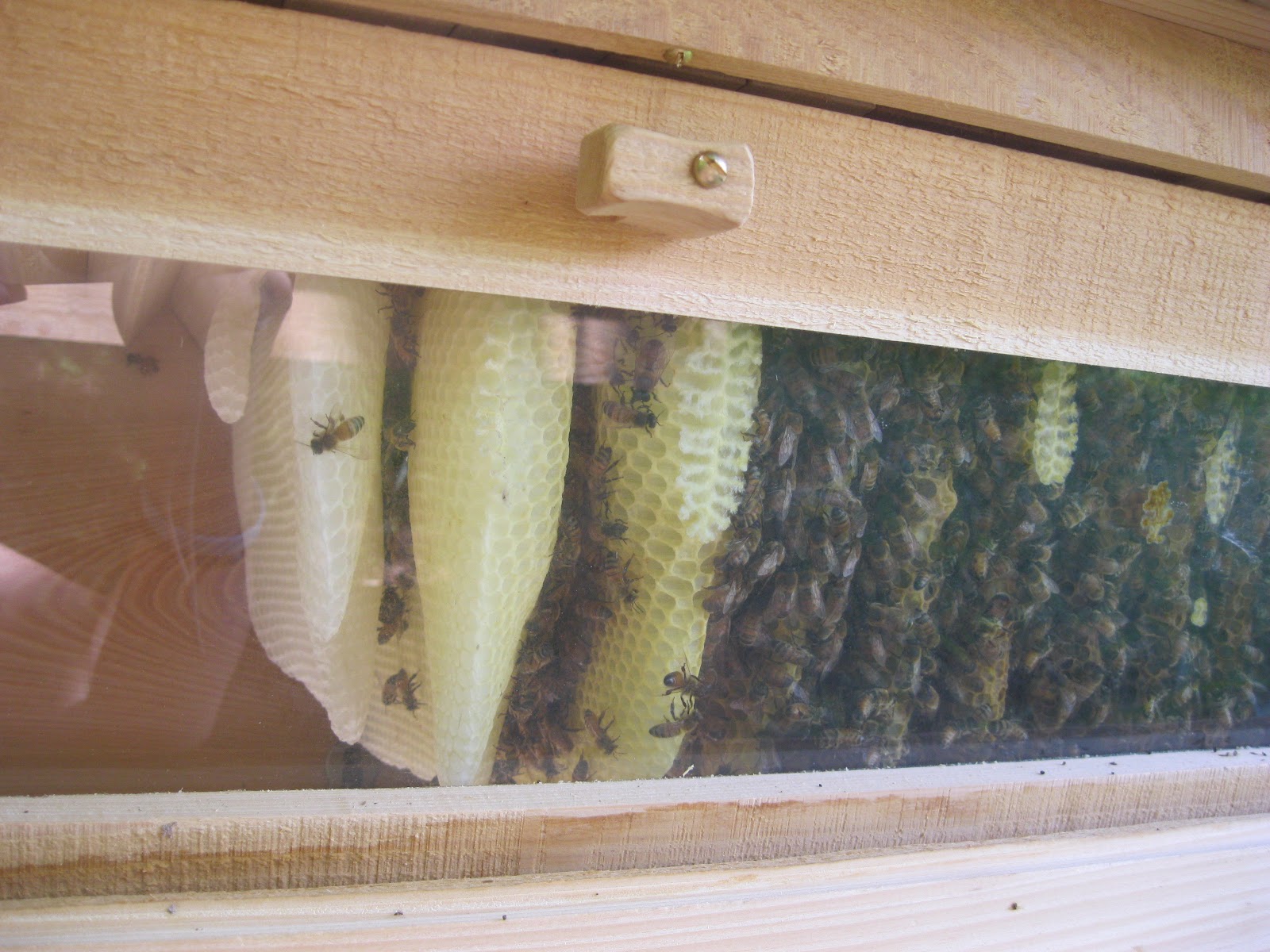
If the workers have decided that they need a new queen, they will have her lay fertilized eggs in queen cups and then stuff those larvae with royal jelly until they cap the cups. And the queen cells are very obvious. They look like peanuts hanging off the comb. I think they even have royal jelly snacks in the queen cells with them.
Usually, if they are planning to swarm, they make queen cells on the bottom of the combs. If they just think the old queen needs replacing, they make supercedure cells up in the main body of the combs. So, beekeepers will talk about supercedure cells or swarm cells meaning queen cells in the indicated location.
Supercedure happens when the queen is old or weak or generally falling down on the job.
Swarming happens when there are more bees than the hive can hold. Or they are just so full of life and there is so much good forage that they feel expansive.
When they swarm, the old queen takes a contingent of workers and goes to look for new digs, leaving the old, established hive to her daughter.
The first queen to emerge may rip open her sisters’ cells, ending competition. Or she may wait to see if they actually hatch, then they fight to the death. I’m not sure if the workers get involved in that decision or not.
About a week later, she makes her mating flight(s), flying about a mile from her hive. When she is through collecting DNA, she comes back and starts laying eggs according to the plan of the workers.
Drones fly a mile and a half to drone zones where they off their DNA to any queen in search of a little booty, so queens don’t mate with their brothers. Drone Zone would be a great name for a pickup bar.
(Not that we are planning on doing much of that, but just in case…)
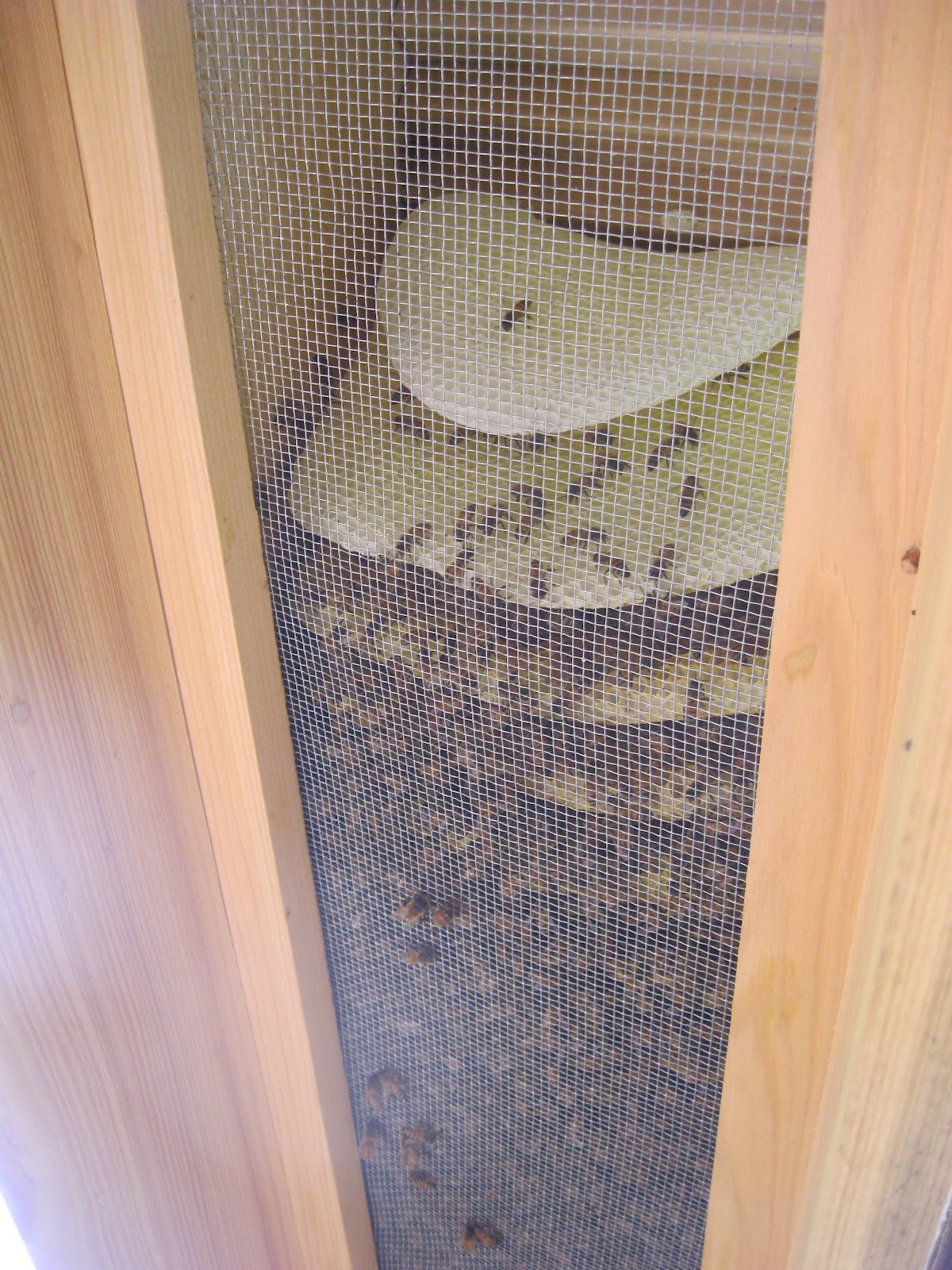
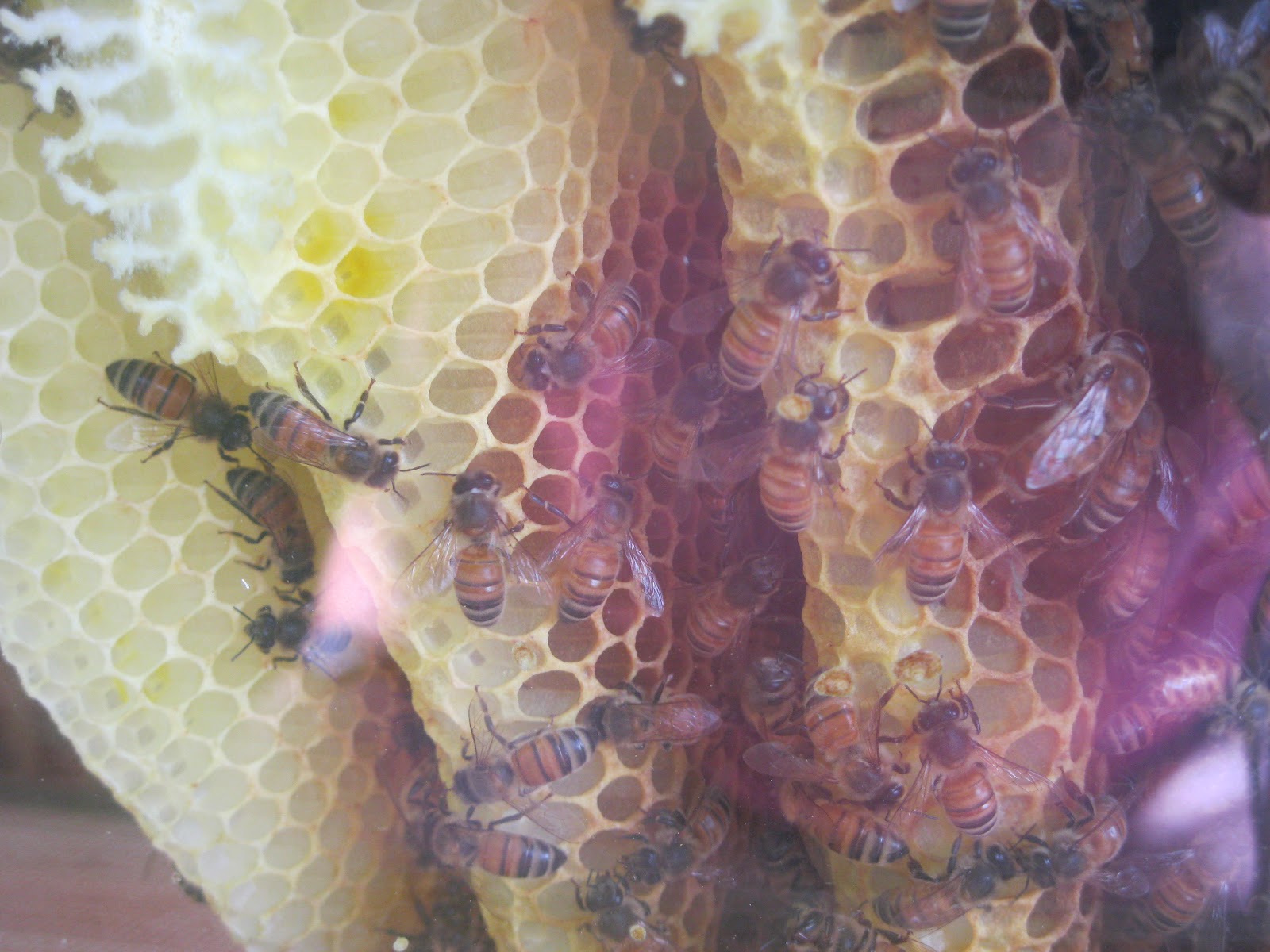
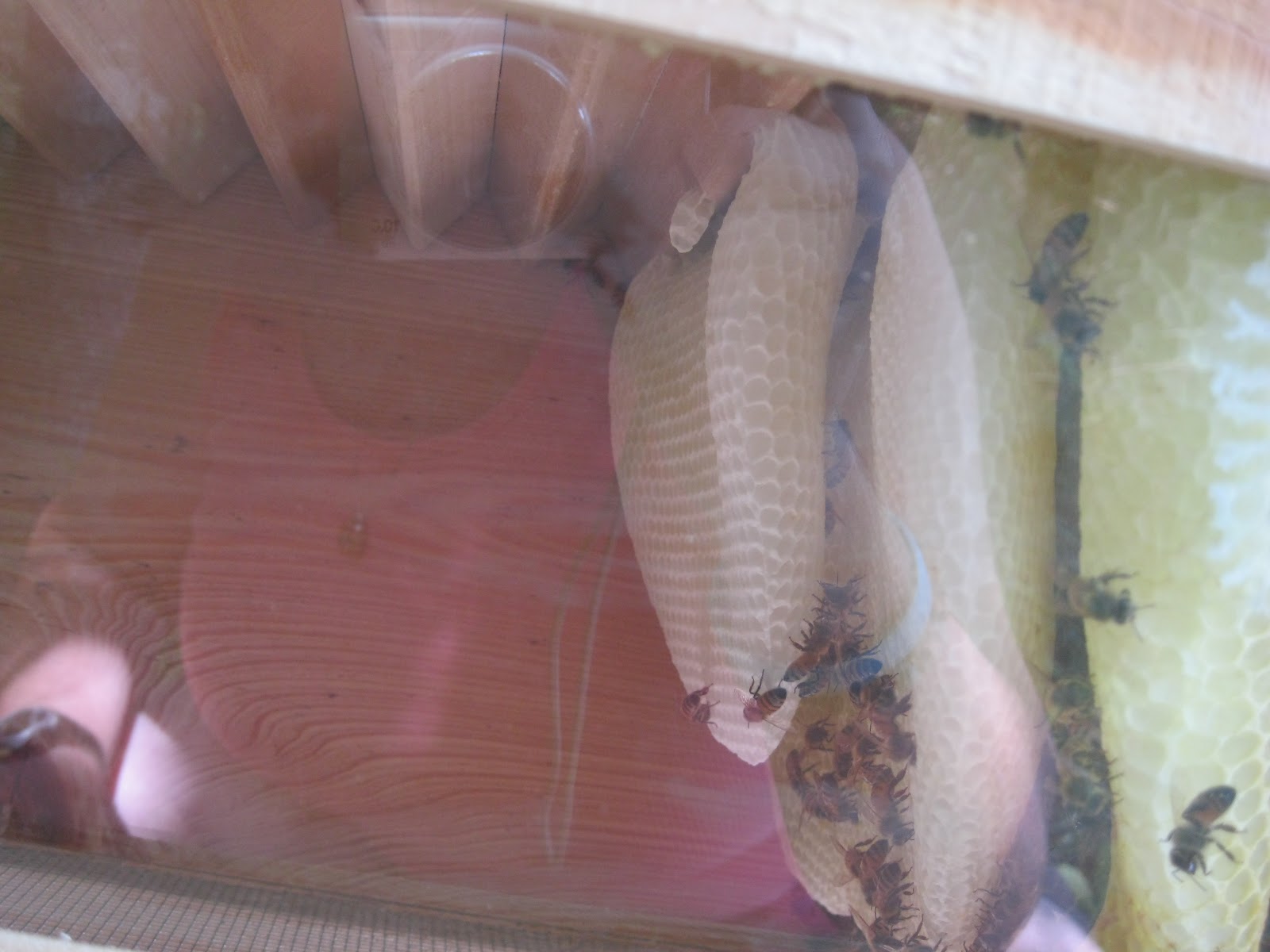
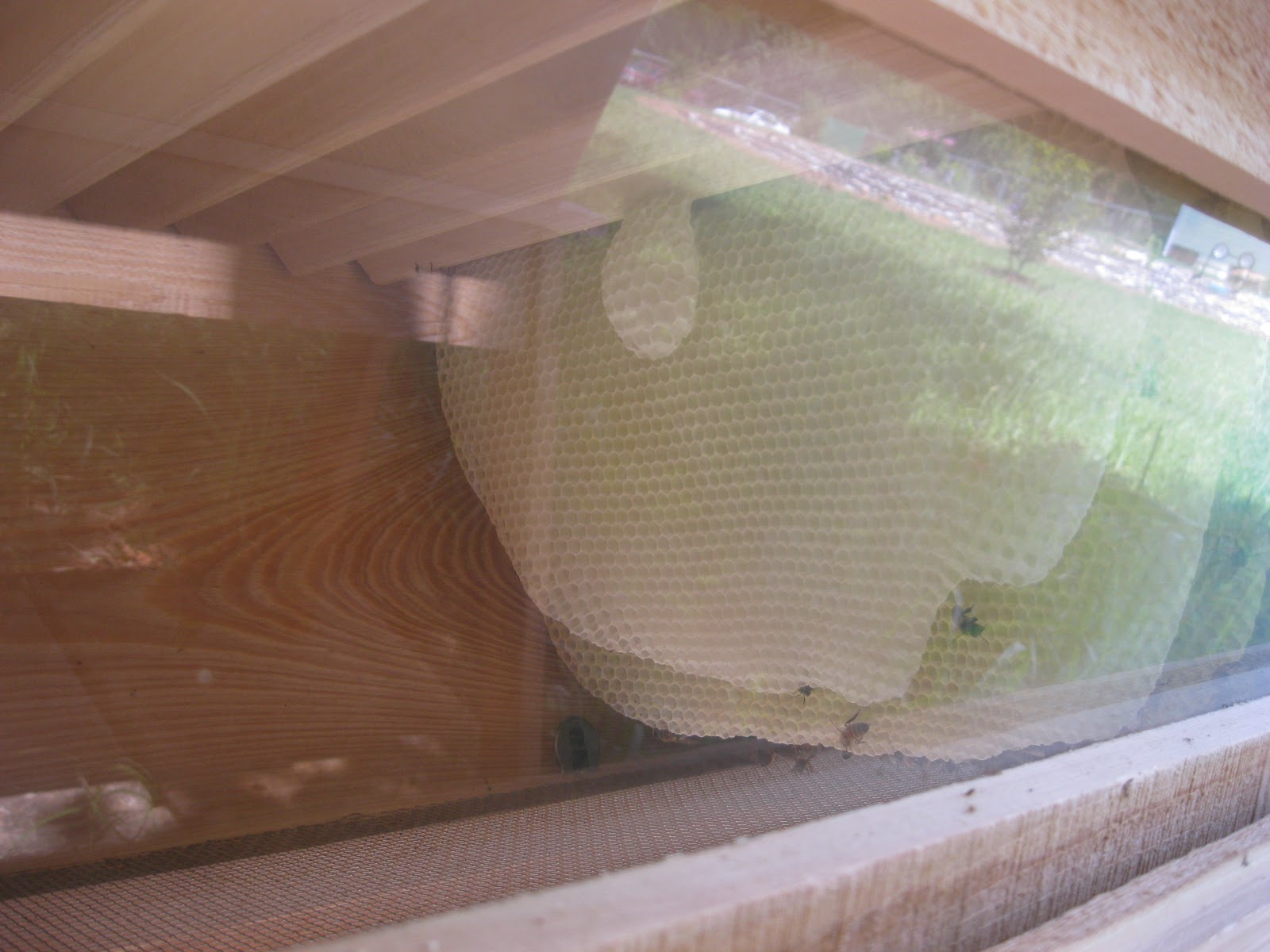
Garden status with pictures. This one is going to be kinda long. Showing fruit trees too.


Serious peas. We tend to just graze on them right out of the pod like candy.

Squash and Eggplant were overpowering the Okra, so I have attempted to transplant them to the bed where the cabbage was.

Moved seven of them. Hoping they will bounce back with a little watering. Tomatoes and peppers in there too. Harvested what was left of the cabbage to make room for the Okra.

Arugula and Fava beans are doing great. Been eating arugula for a while now.


Cantaloupe is in a different location, but is coming along. Tomatoes are still behind where I expected them to be based on the warm Spring. They are healthy and when they do come in we are going to have way more than we can eat.

We expected our fruit trees to do better this year, especially with the new bee hives. Most of them bloomed out very early and then the April freezes came. We covered what we could, but I think the cold nipped them at a vulnerable time. We had peaches starting, but they disappeared except for one sick looking one. We have very few cherries and only a couple of damson plums on one of the three plum trees.


The orange tree, however, is looking pretty good.

Herbs in pots on the deck are doing fine.

Also picked chard and brussels sprouts today.

And yes the bees look great today, especially Isabella. Just looked in on them. You would never guess that hive swarmed a week ago based on the number of bees.
 I am the Audience